

This archive tracks major business blunders that occurred on each day in May, from historic corporate collapses to modern fraud cases and executive failures.
May 1
First Republic Bank — Collapse (2023)
Regulators seized First Republic Bank and sold it to JPMorgan Chase. The $229 billion bank’s failure followed the collapses of Silicon Valley Bank and Signature Bank. The San Francisco–based bank built a loan portfolio during a period of ultra-low interest rates, but failed to adapt as rates rose.
Kohl’s — CEO Firing (2025)
Kohl’s fired CEO Ashley Buchanan for failing to disclose a multimillion-dollar consulting contract awarded to a romantic partner. An undisclosed conflict of interest cost him a $20 million job. Read More: Million-Dollar Baby (Business Blunders)
May 2
E.F. Hutton — Guilty Plea (1985)
EF Hutton pleaded guilty to about 2,000 criminal counts of fraud and paid millions in fines and restitution for a massive check-kiting scheme. The firm shuffled money between banks to create phony balances in one of the most infamous brokerage scandals of the 1980s, yet no executives went to jail.
Sotheby’s — Criminal Charges (2001)
A federal grand jury indicted A. Alfred Taubman, former chairman of Sotheby’s, for conspiring with Christie’s to fix commission rates. Rival auction houses secretly coordinated fees, rigging prices in the high-end art market.
Linens ’n Things — Bankruptcy (2008)
Linens ‘n Things filed bankruptcy and began closing its remaining U.S. stores, ending the run of a chain that once operated more than 500 locations nationwide. The collapse highlighted the pressures of debt and competition from big-box and online rivals.
Cambridge Analytica — Bankruptcy (2018)
Cambridge Analytica said it would shut down and file for bankruptcy amid fallout from its misuse of Facebook user data. The scandal exposed how personal data could be harvested and weaponized, triggering a global backlash.
May 3
U.S. Markets — Crash (1893)
A massive stock market sell-off marked the Panic of 1893 as rampant speculation ended with waves of bank, railroad, and business bankruptcies in one of the worst economic downturns of the 19th century.
Paramount Pictures — Regulatory Action (1948)
The Supreme Court ruled in United States vs. Paramount Pictures to break up the studio system that let Hollywood’s biggest companies control production, distribution, and theaters. Studios had rigged the system to block competition until the government forced them to give up their grip on the box office.
May 4
Grant & Ward – Ponzi Scheme Collapse (1884)
A firm started by Ferdinand Ward, who called himself the “Young Napoleon of Finance” collapsed, laying financial ruin to former President Ulysses S. Grant and other notables. It also bankrupted The Marine National Bank and helped trigger the Panic of 1884. Read More: Ferdinand Ward – Grant & Ward (Business Blunders Hall Of Shame)
Aeropostale — Bankruptcy (2016)
Aeropostale filed bankruptcy after 13 consecutive quarters of losses. A teen retail staple lost relevance as fashion trends shifted.
J.Crew — Bankruptcy (2020)
J.Crew Group, Inc. filed bankruptcy as pandemic shutdowns and heavy debt strained the business. Too much debt left the retailer vulnerable to a virus that temporarily closed stores.
Netflix – Executive Bribery Scheme (2021)
Former Netflix vice president of IT operations Michael Kail was convicted of taking bribes and kickbacks from vendors seeking contracts from the streaming giant. Prosecutors said he steered lucrative deals in exchange for cash, stock options and other perks. He was later sentenced to prison, capping a classic pay-for-play scheme inside one of Silicon Valley’s biggest companies.
May 5
Jenny Craig — Bankruptcy (2023)
Jenny Craig filed bankruptcy and closed its U.S. and Canada weight-loss centers. A program built on in-person coaching couldn’t adapt to digital competition.
Credit Suisse — Guilty Plea (2025)
Credit Suisse pleaded guilty and was sentenced for conspiring to hide more than $4 billion from the Internal Revenue Service through hundreds of offshore accounts. The scheme helped wealthy clients evade taxes, extending a long-running pattern of misconduct at the bank. Read More: The Outrageous Acts Of Criminally Charged Corporations (Blunder Lists)
May 6
Arthur Andersen — Audit Failure Settlement (2002)
The accounting giant agreed to pay more than $217 million to settle claims tied to its flawed audits of the Baptist Foundation of Arizona, a religious nonprofit that turned out to be a $570 million Ponzi scheme. The case exposed how auditors missed – or ignored – massive red flags, allowing the fraud to grow for years. The settlement landed just weeks before Arthur Andersen was engulfed by the Enron scandal, sealing the fate of one of the world’s most powerful accounting firms. Read More: The Outrageous Acts Of Criminally Charged Corporations (Blunder Lists)
U.S. Markets — Crash (2010)
The Dow Jones Industrial Average plunged nearly 1,000 points in minutes in what was dubbed the Flash Crash. A trillion-dollar blink exposed the risks of high-speed, automated trading, forcing regulators to rethink market safeguards.
May 7
Brown & Williamson — Legal Action (2004)
More than two dozen states said they would sue Brown & Williamson for targeting youth with its “Kool Mixx” marketing campaign. The ads used hip-hop imagery to promote cigarettes. Lawsuits led to a settlement, fines, and the campaign’s shutdown.
General Motors — Financial Loss (2009)
General Motors reported a $6 billion quarterly loss and warned it might not survive without additional government aid as it edged closer to bankruptcy.
Neiman Marcus — Bankruptcy (2020)
Neiman Marcus became the first major department store to file bankruptcy during the Covid-19 pandemic. Heavy debt and shuttered stores signaled deep trouble for brick-and-mortar retail. Read More: Needless Markup (Business Blunders)
Colonial Pipeline — Ransomware Attack (2021)
Colonial Pipeline shut down operations after a ransomware attack disrupted fuel distribution across the East Coast. The breach showed how digital vulnerabilities can cripple physical infrastructure.
May 8
Alex Mashinsky — Fraud Sentencing (2025)
Alex Mashinsky, founder of Celsius Network, was sentenced to 12 year in prison for his role in misleading investors about the company’s finances. A crypto platform that promised safe, high returns collapsed, leaving customers locked out of billions. Read More: ‘Banks Are Not Your Friends’ (Business Blunders)
May 9
David Gentile — Fraud Sentencing (2025)
David Gentile, founder of GPB Capital Holdings, was sentenced to seven years in prison for orchestrating a $1.6 billion Ponzi scheme. Investor funds were used to pay earlier investors, masking losses until the scheme unraveled. President Donald Trump commuted his sentence in November 2025. Read More: 15 Tales Of Lost Ponzi Riches (Blunder Lists)
May 10
East India Co. — Regulatory Action (1773)
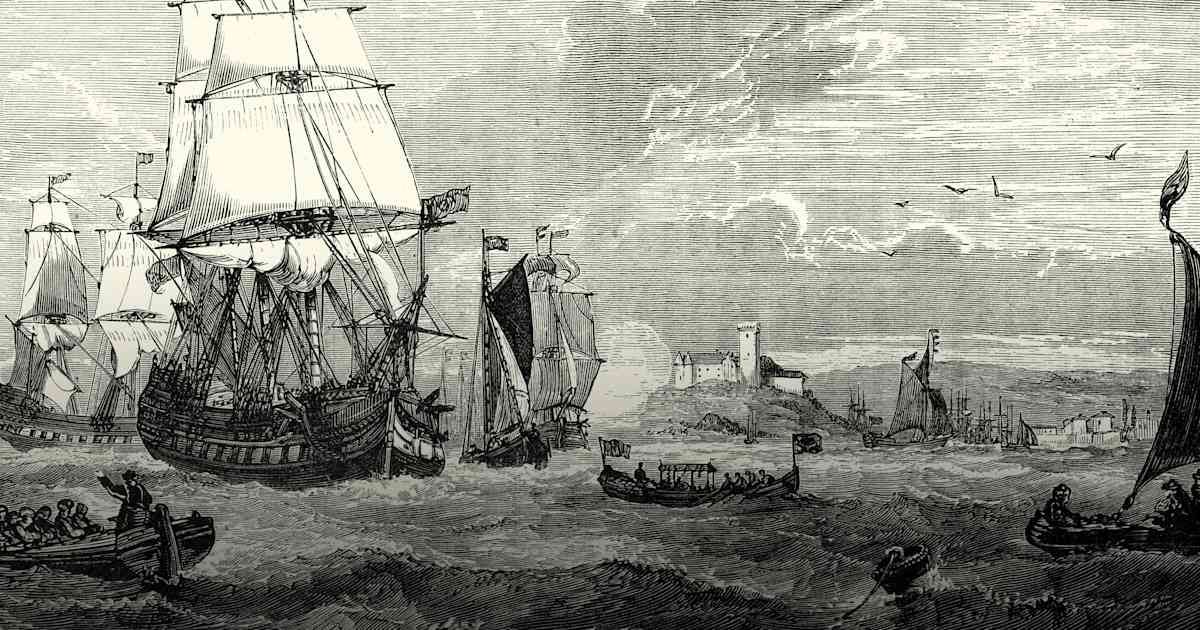
The British Parliament passed the Tea Act, effectively bailing out the struggling East India Co. The law allowed the company to sell tea directly to the colonies at reduced prices, undercutting local merchants. It led to quite a party in Boston.
JPMorgan Chase — Trading Loss (2012)
JPMorgan Chase revealed $2 billion in trading losses tied to a trader known as the “London Whale.” A hedge meant to reduce risk instead amplified it, exposing major failures in the bank’s controls.
May 11
Sunbeam — Accounting Scandal (1998)
Sunbeam reported a $44.6 million quarterly loss while denying channel stuffing accusations. Still, the small household appliance manufacturer kept projecting strong earnings, just weeks before its accounting scandal exploded and CEO Al Dunlap was ousted. Dunlap, known as “Chainsaw Al,” had been revered on Wall Street for indiscriminately slashing jobs, at least until Sunbeam stock crashed,
Betsey Johnson — Bankruptcy (2012)
Betsey Johnson began liquidation sales after filing bankruptcy the previous month, undone by heavy debt and declining sales. Its stores vanished, but the brand survived, reemerging as a wholesale fashion label still selling its signature bold, colorful designs.
May 12
Nike — Reputational Crisis (1998)
Nike CEO and founder Phil Knight admitted that the iconic athletic shoe company’s overseas labor practices had damaged its reputation, pledging sweeping reforms after years of criticism over factory conditions.
IndyMac Bank — Financial Distress (2008)
Mortgage lender IndyMac Bank warned in a regulatory filing that it might no longer be “well capitalized,” a red flag that foreshadowed its collapse and seizure by regulators just two months later during the financial crisis.
May 13
Warner-Lambert — Guilty Plea (2004)
Warner-Lambert agreed to plead guilty and pay more than $430 million to resolve charges that it illegally marketed Neurontin for unapproved uses, a pharmaceutical sales scandal that helped redefine the risks of off-label promotion.
UnitedHealth Group — CEO Resignation (2025)
Andrew Witty stepped down from UnitedHealth Group as scrutiny mounted over its Medicare Advantage billing and rising costs. The insurer had lowered its guidance. Its shares fell sharply, and former CEO Stephen Hemsley returned to steady the embattled company. Read More: United Health Scare (Business Blunders)
May 14
Michael Wise — Fraud Sentencing (2003)
Michael Wise, once cleared in the Silverado Savings & Loan collapse, was sentenced for a Ponzi scheme in Aspen, a second act that ended in prison. Read More: Michael Wise – Silverado Savings & Loan (Business Blunders Hall Of Shame)
May 15
Office of Price Administration — Regulatory Action (1942)
The Office of Price Administration began nationwide gasoline rationing, forcing Americans to limit driving as the war strained fuel and rubber supplies.
Dow Corning — Bankruptcy (1993)
Dow Corning filed for bankruptcy as mounting lawsuits over its silicone breast implants overwhelmed the company, one of the largest product-liability crises of its time.
Martin Frankel — Guilty Plea (2002)
Martin Frankel pleaded guilty to 24 federal counts, including securities fraud, wire fraud, racketeering, and conspiracy, in a scheme that looted about $208 million from insurance companies, cementing his reputation as one of the most notorious insurance fraudsters in U.S. history. Read More: Martin Frankel – Thunor Trust (Business Blunders Hall Of Shame)
JC Penney — Bankruptcy (2020)
JC Penney filed bankruptcy under the weight of about $4 billion in debt, as pandemic shutdowns forced the 118-year-old retailer to close its stores and pushed it to the brink. Read More: The Biggest Business Blunders Of All Time (Blunder Lists)
May 16
Dex Media — Bankruptcy (2016)
Dex Media filed bankruptcy for the third time in seven years, a slow-motion collapse of the Yellow Pages era as search moved online.
McDonald's — Market Exit (2022)
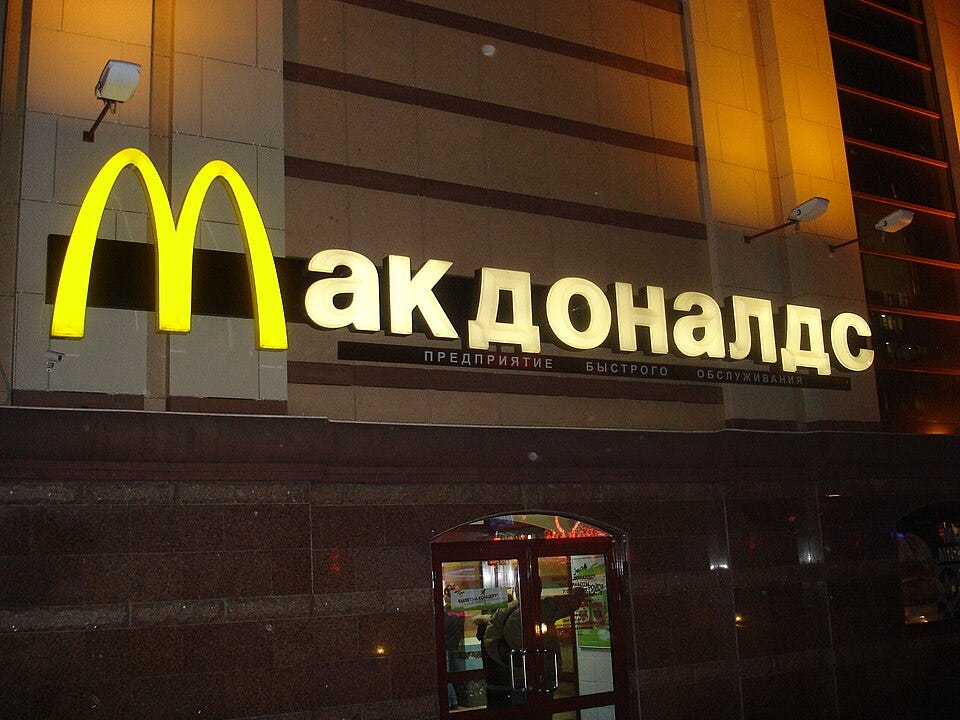
McDonald’s agreed to sell its business in Russia and exit the market following its invasion of Ukraine. A decades-long presence ended abruptly, turning geopolitics into a costly corporate retreat.
May 17
Continental Illinois — Collapse (1984)
The U.S. government rescued Continental Illinois National Bank in Chicago.It was the largest bank failure of its time and introduced the idea that some banks were simply too big to fail. Bank of America acquired it in 1994.
Lucent Technologies — Settlement (2004)
Lucent Technologies agreed to pay $25 million to settle an U.S. Securities and Exchange Commission charges over $1.1 billion in bogus revenue in one of many -era accounting scandals. Regulators also charged several former executives.
Usama Malik — Guilty Plea (2023)
Usama Malik, former CFO of Immunomedics, pleaded guilty to insider trading tied to its $21 billion sale to Gilead Sciences, a scheme that ultimately landed him an 18-month prison sentence.
May 18
KPMG — Fraud Charges (2020)
Regulators accused three former KPMG audit partners of cheating on exams and stealing regulator secrets. The ethical lapse led to prison sentences, a $50 million settlement and undermined trust in the firm’s oversight role.e.
Microsoft — Antitrust Charges (1998)
The Department of Justice and 20 states sued Microsoft for monopoly abuse, a case that nearly broke up the company before ending in a settlement that curbed its power.
May 19
Red Lobster — Bankruptcy (2024)
Red Lobster filed bankruptcy, citing heavy debt from a private equity buyout, an oversized restaurant footprint, and losses tied to its “endless shrimp” promotion as it sought to restructure and sell the business to lenders. Read More: How To Boil A Lobster (Business Blunders)
May 20
Citigroup / JPMorgan Chase / Barclays / Royal Bank of Scotland — Guilty Plea (2015)
Citicorp, JPMorgan Chase, Barclays, and The Royal Bank of Scotland pleaded guilty and paid criminal fines totaling more than $2.5 billion for manipulating U.S. dollars and euros in foreign exchange markets. Read More: The Outrageous Acts Of Criminally Charged Corporations (Blunder Lists)
May 21
Lou Pearlman — Fraud Sentencing (2008)
Lou Pearlman, renowned for launching‘NSync and the Backstreet Boys, was sentenced to 25 years in prison for a $300 million Ponzi scheme that collapsed his entertainment empire. Read More: 15 Tales Of Lost Ponzi Riches (Blunder Lists)
May 22
Hertz — Bankruptcy (2020)
Hertz filed bankruptcy with about $19 billion in debt, a high-profile casualty of the pandemic as travel collapsed and its vast car fleet sat unused.
May 23
U.S. Tobacco Industry — Legal Action (1994)
The Mississippi Attorney General’s Office filed the first state lawsuit seeking to recover Medicaid costs from tobacco companies, launching a wave of litigation across the country.
Live Nation Entertainment — Antitrust Lawsuit (2024)
The Department of Justice, joined by state attorneys general, sued Live Nation Entertainment and Ticketmaster, accusing them of monopolizing the live-concert business and seeking remedies that could include breaking up the company. Read More: Ticketbastard (Business Blunders)
May 24
Red Lobster – Store Closing (2024)
Red Lobster closed its oldest continuously operating location in Tallahassee, Fla. after the seafood chain was forced to file for Chapter 11 bankruptcy with heavy debt from a private equity buyout. Read More: How To Boil A Lobster (Business Blunders)
China — Credit Downgrade (2017)
Moody’s Investors Service downgraded China’s sovereign credit rating from Aa3 to A1, its first cut since 1989, citing rising debt and expectations that the country’s financial strength would erode. Moody’s also downgraded its outlook on China’s debt to negative from stable in 2023 due to property market declines and local government debt. Then upgraded it back to stable in April 2026.
May 25
Enron — Fraud Conviction (2006)
A federal jury in Houston convicted Enron’s top executives, Kenneth Lay and Jeffrey Skilling, on charges of conspiracy, securities fraud, wire fraud, and making false statements. It took 56 days of trial and six days of deliberations.
Read More:
Ken Lay – Enron (Business Blunders Hall Of Shame)
Jeffrey Skilling – Enron (Business Blunders Hall Of Shame)
May 26
Mickey Monus — Fraud Conviction (1995)
Mickey Monus, founder of Phar-Mor, was convicted of fraud for orchestrating a massive accounting scheme that helped drive the discount drugstore chain into bankruptcy. Read More: Michael “Micky” Monus – PharMor (Business Blunders Hall Of Shame)
May 27
FIFA — Criminal Charges (2015)
Swiss authorities arrested seven senior Fédération Internationale de Football Association officials in Zurich at the request of the U.S. Department of Justice, as prosecutors unsealed a sweeping indictment alleging decades of racketeering, wire fraud, and money laundering tied to soccer media and marketing rights.
May 28
Whitewater — Fraud Convictions (1996)
A jury convicted James and Susan McDougal and Arkansas Gov. Jim Guy Tucker of fraud in the Whitewater case. The scandal stemmed from a failed land deal involving Bill and Hillary Clinton, though investigators never found sufficient evidence to charge them.
Ryan Salame — Sentencing (2024)
Ryan Salame, a top lieutenant in the FTX empire, was sentenced to 7½ years in prison for his role in the crypto exchange’s collapse. Read More: Clowns In Court (Business Blunders)
May 29
Ross Ulbricht — Sentencing (2015)
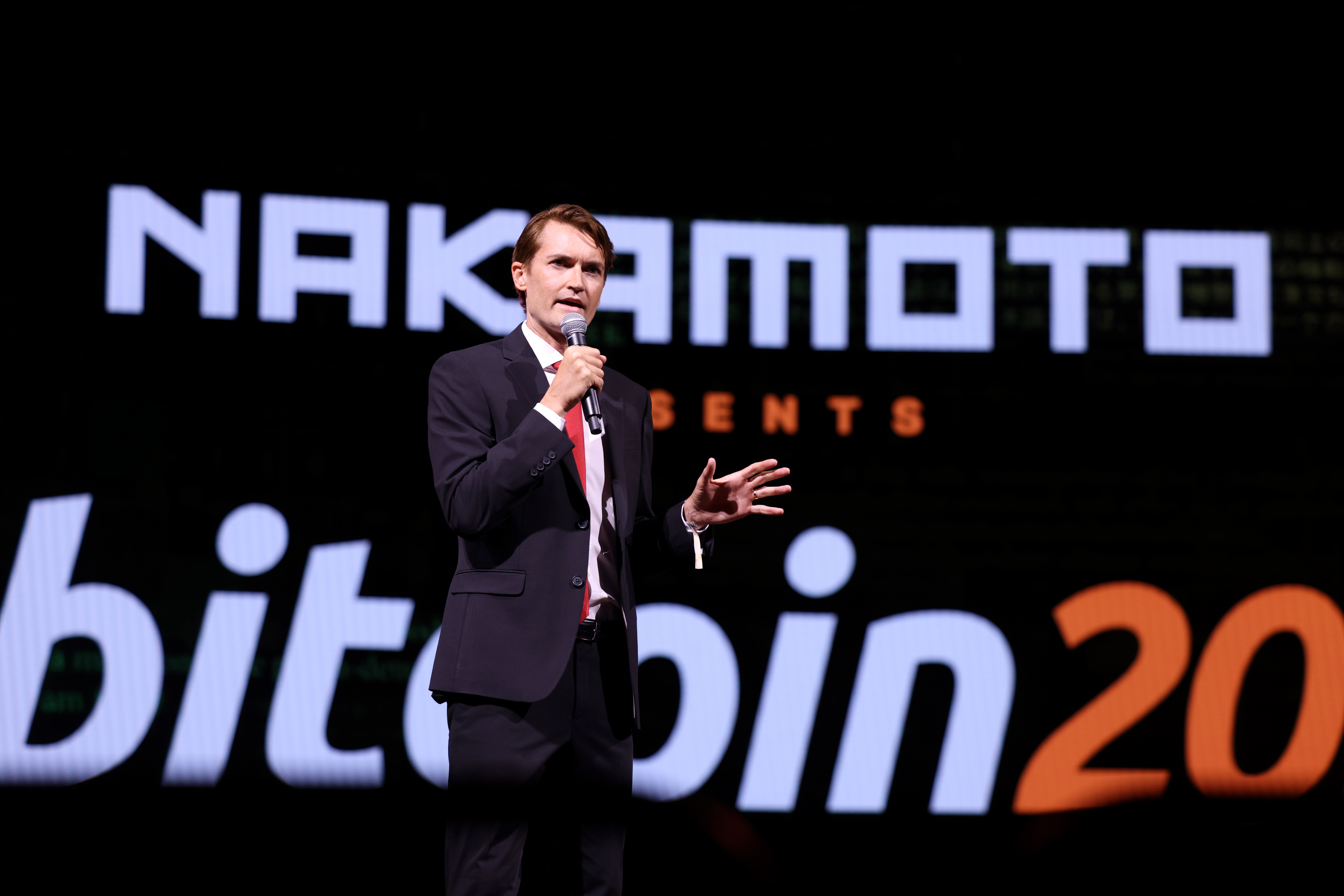
Ross Ulbricht, creator of Silk Road, an anonymous online marketplace that used Bitcoin to facilitate the sale of illegal drugs, fake documents, and other illicit goods, was sentenced to life in prison, one of the harshest penalties ever imposed in a digital-age crime case. Trump pardoned him in January 2025.
May 30
Donald Trump — Fraud Conviction (2024)
A Manhattan jury found Donald Trump guilty on 34 felony counts of falsifying business records in a scheme to conceal hush money payments tied to the 2016 election, marking the first criminal conviction of a former U.S. president.
May 31
South Fork Dam — Industrial Disaster (1889)
The South Fork Dam collapsed after heavy rains, initiating Pennsylvania’s infamous Johnstown Flood. The poorly maintained dam, owned by wealthy industrialists, unleashed a deadly wall of water that destroyed the town. More than 2,200 people were killed, and the disaster became a lasting example of negligence and failed oversight.
Arthur Andersen — Legal Ruling (2005)
The Supreme Court cleared Arthur Andersen of its Enron-era conviction, finding the jury instructions too vague, an exoneration that came after the firm had already collapsed.
Enloe State Bank — Collapse (2019)
Texas regulators shut down Enloe State Bank in Cooper, Texas, after uncovering fraud tied to falsified loans and insider misconduct. The FDIC stepped in as receiver.
DC Solar — Fraud Sentencing (2022)
Alan Hansen, co-owner of DC Solar, was sentenced to eight years in prison for his role in the $1 billion DC Solar Ponzi scheme, 2022 a fraud built on bogus solar equipment and tax credits. Read More: Trailer Trash Solar (Business Blunders)