

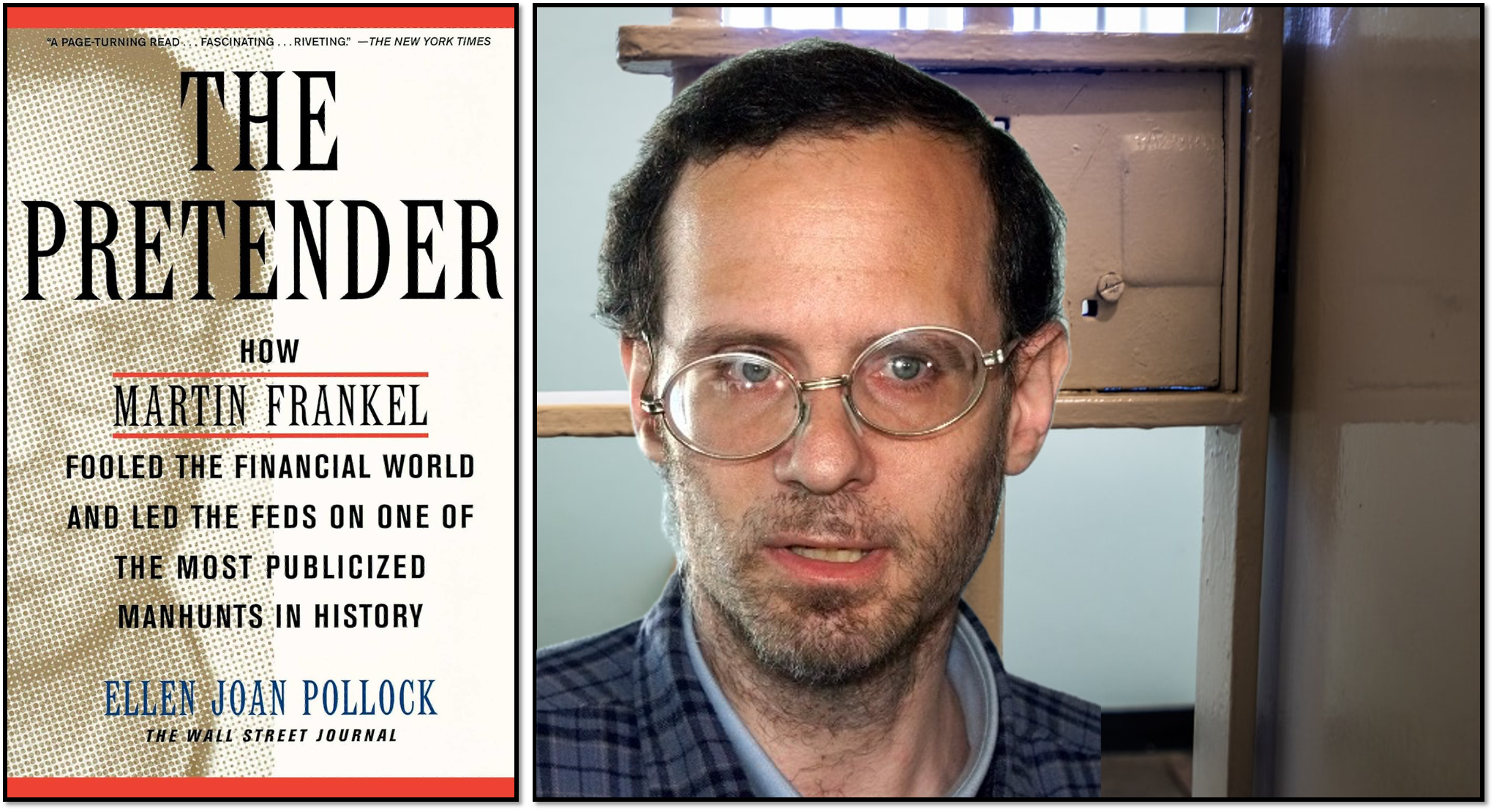
Financier Martin R. “Marty” Frankel created a fake European trust in the 1990s, acquired struggling life insurance companies in its name, and looted more than $200 million from their reserves.
How smart were insurance regulators in Arkansas, Mississippi, Missouri, Oklahoma and Tennessee where he operated? Not smart enough.
They believed what they were told: That something called the Thunor Trust represented wealthy European aristocrats who preferred to remain anonymous.
It didn’t.
It was controlled by Frankel, who had been in trouble before.
In the late 1980s, went to Florida and began attracting wealthy Palm Beach investors to his previous investment firm, Frankel Funds. There, he sometimes used astrology to guide his trades. It didn’t win big and it didn’t predict his future.
In the early 1990s, regulators froze Frankel Funds and accused Frankel of misleading investors. He settled the case and agreed to leave the securities industry.
Then he went into the insurance industry.
He’d discovered that if he controlled insurance companies, he could also control their investment portfolios.
Between 1993 and 1995, the trust acquired controlling stakes in eight insurance companies using the fake trust, aliases and other people’s names.
Then, through a slew of complex schemes, he routed assets into a company he controlled, “Liberty National Securities,” which was also little more than a mail drop.
The money funded Frankel’s eccentric lifestyle. To cultivate the image of a secretive international financier, he purchased a castle in Germany, yachts, private aircraft, and luxury homes, including a Connecticut mansion.
His world grew increasingly insular and strange. He turned his properties into armed camps, posting gun-toting guards and erecting 6-foot metal fences with cameras and flood-lights.
His personal life was equally bizarre. He often met women through personal ads and lived with some of them for a time. In 1997, one woman was found hanging from a noose at his Greenwich, Conn., property. Authorities ruled it a suicide.
All the while, Frankel was building false credibility.
In an attempt to leverage the Roman Catholic Church, he founded the St. Francis of Assisi Foundation in the British Virgin Islands. He even got Monsignor Emilio Colagiovanni, an official of the Roman Curia, to sign a letter falsely stating that the foundation received Vatican funding.
Frankel also solicited other high-profile people to join the foundation’s board, including the “most trusted man in America,” retired CBS Evening News anchorman Walter Cronkite.
Cronkite declined the offer, but the fake foundation used his name anyway.
For the most part, Frankel stayed hidden behind the corporate curtains that he had so delicately hung. Few people dealt with him directly. Associates handled many of the transactions and reinforced the mystique of the Thunor Trust.
The arrangement worked for years partly because insurance regulation is fragmented. Each state insurance regulator saw only the local company Thunor controlled and assumed the trust was legitimate.
By 1999 though, regulators finally started comparing notes. They discovered the assets backing the insurers’ policyholders were disappearing. Then Frankel disappeared, too.
Suddenly, his Greenwich, Conn., mansion caught fire under suspicious circumstances and he was no where to be found, triggering an international manhunt.
Frankel rambled through Europe using false identities until German authorities arrested him in Hamburg on Sept. 4, 1999.
In May 2002, he pleaded guilty to 24 federal counts of securities fraud, wire fraud, racketeering and conspiracy. Fifteen of Frankel’s associates, including Colagiovanni, also pleaded guilty to related crimes.
Prosecutors said he had looted at least $208 million from the insurers he secretly controlled. The wreckage in his wake forced several insurers into receivership and triggered years of litigation to recover stolen assets.
At sentencing, Frankel said his fraud had taken on a life of its own, explaining that once he began faking financial statements, he had to keep forging documents to keep the scheme from collapsing.
“Everybody looks at me as if I’m an evil genius,” he told the judge, NBC News reported. But he was only trying to help his girlfriend’s children, who he said were abused.
He then urged the judge to show mercy, according to a report in The New York Times.
“If somebody is mentally ill,” he said, “you shouldn’t punish them because it won’t stop other mentally ill people from doing it.”
He was sentenced to more than 16 years in prison on Dec. 10 2004 and is remembered as one of the most notorious insurance fraudsters of all time.
Read More:
Fraud Suspect Hoped Expanding His Empire Would Protect Him From Authorities (The New York Times)
Phantom Insurance Empire Was Built on Trail of Aliases (The New York Times)