

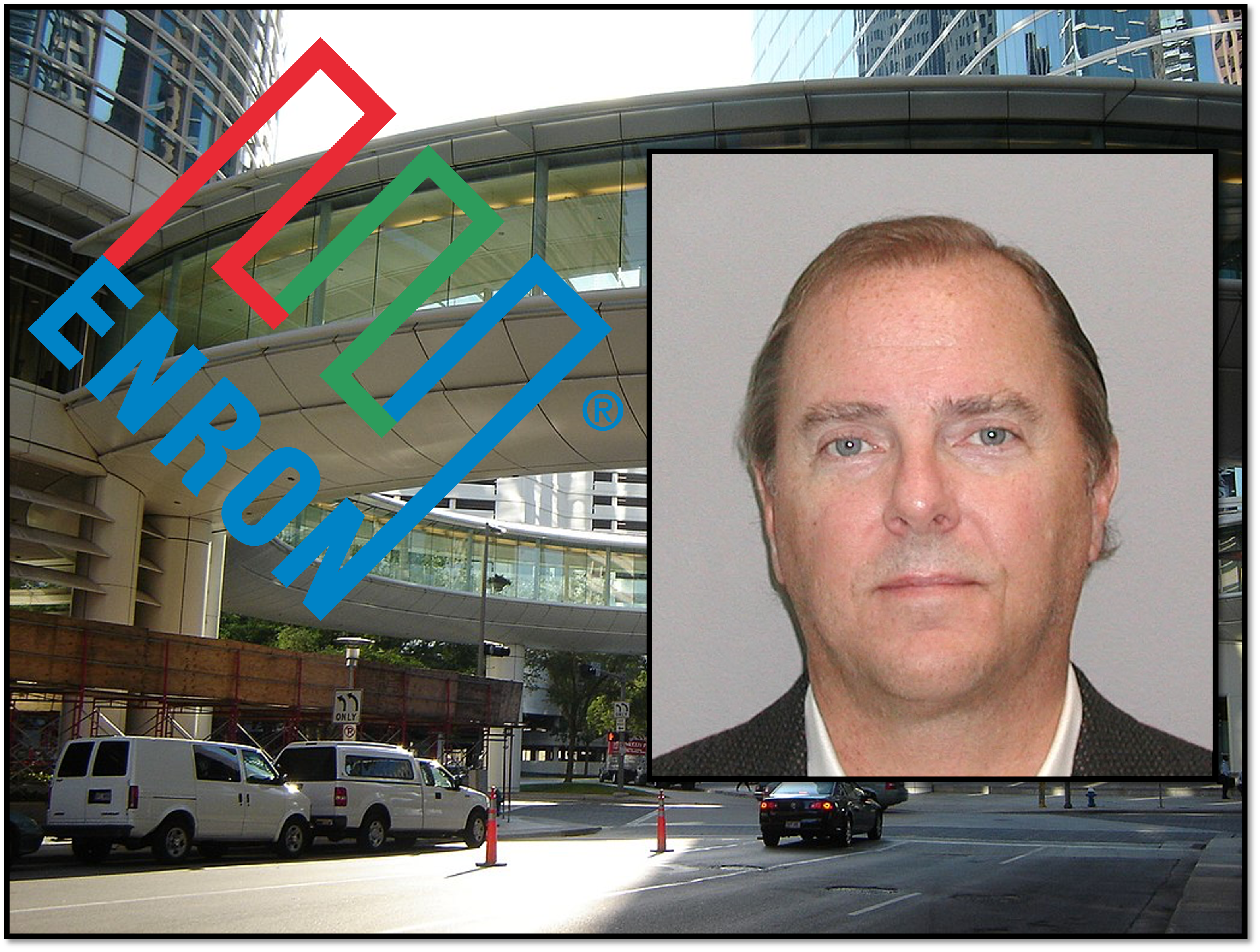
Enron CEO Jeffrey Skilling abruptly resigned on Aug. 14, 2001, to spend more time with his family.
He’d spent 10 years building Enron from a natural gas pipeline to the seventh-largest publicly traded corporation in America. And all of a sudden, he claimed he longed for a simpler life.
“This is purely a personal decision,” he told investors in a conference call. “I can’t stress enough that it has nothing whatsoever to do with Enron. I’m doing it solely for personal and family reasons.”
Enron Chairman Ken Lay immediately took his place and tried to calm the market.
On Dec. 2 of that year, the company filed bankruptcy and was soon exposed as one of the most massive accounting frauds of all time.
More than 20,000 employees lost their jobs, and in many cases their life savings, since their retirement accounts were loaded with Enron stock. Investors all around the world lost billions.
Wall Street lost confidence in Enron following an April 2001 investor call, in which a hedge fund manager demanded more details on the company’s finances.
“You know, you are the only financial institution that can’t produce a balance sheet or a cash flow sheet with their earnings,” the hedge fund manager complained.
Skilling shot back with a flustered, arrogant response: “Well, uh … Thank you very much. We appreciate it … asshole.”
Read More: Enron Was A Parody Of Itself (Business Blunders)
The call was eventually played for jurors who sealed Skilling’s fate. Skilling was convicted on numerous felony charges, despite blaming underlings for the fraud and maintaining his innocence to the very end.
“Your honor, I am innocent of these charges,” he said at his federal sentencing in 2006. “I am innocent of every one of these charges. We will continue to pursue my constitutional rights. … I feel very strongly about this, and I want my friends, my family to know that.”
Skilling was released from prison in 2018 after serving 12 years of a 24-year sentence.