

This archive tracks major business blunders that occurred on each day in September, from historic corporate collapses to modern fraud cases and executive failures.
Sept. 1
Nestlé — CEO Firing (2025)
Nestlé fired its CEO Laurent Freixe less than a year after he took the helm following an internal investigation that confirmed an undisclosed relationship with a subordinate, a breach of company policy. Read More: Lost In Love (Blunder Lists)
Sep. 2
U.S. Treasury — Founding (1789)
The U.S. established the Department of the Treasury with Alexander Hamilton as its first Secretary. Just years later, Treasury insider William Duer used his position to fuel reckless speculation, collapsing in the Panic of 1792 and landing in debtors’ prison.
Pfizer — Criminal Settlement (2009)
Pfizer agreed to pay $2.3 billion to resolve criminal and civil charges stemming from the illegal promotion of drugs for unapproved uses, then the largest health care fraud settlement in U.S. history. The deal included a $1.195 billion criminal fine. Read More: The Outrageous Acts Of Criminally Charged Corporations (Blunder Lists)
Bed Bath & Beyond — Executive Death (2022)
Gustavo Arnal, the chief financial officer of Bed Bath & Beyond, died by suicide amid a period of severe financial distress and mounting scrutiny at the once-dominant company.
Kraft Heinz — Corporate Breakup (2025)
Kraft Heinz announced plans to split into two separate companies effectively unwinding its decade-old merger after years of sluggish growth and underperformance. Read More: Buffett’s Big Blunder (Business Blunders)
Sept.3
Reed Slatkin — Fraud Sentencing (2003)
Reed Slatkin, co-founder of EarthLink, was sentenced to 14 years in federal prison for running a $600 million Ponzi scheme that defrauded hundreds of investors. Read More: 15 Tales Of Lost Ponzi Riches (Blunder Lists)
Microsoft — Acquisition Blunder (2013)
Microsoft announced plans to acquire Nokia’s Devices & Services business for €5.44 billion, a bid to revive its struggling position in the smartphone market. Less than two years later, Microsoft took a staggering $7.6 billion impairment charge, meaning the acquisition was worth less than nothing.
Sept. 4
Al Dunlap — Settlement (2002)
Al Dunlap, the former chairman of Sunbeam known as “Chainsaw Al” for his mass layoffs, agreed to settle civil fraud charges. He agreed to pay $500,000 and accept a permanent ban from serving as an officer or director of a public company.
Sept. 5
Financial Freedom Report — Fraud Charges (2007)
Regulators charged 26 defendants in a $428 million securities fraud tied to investments sold through their Financial Freedom Report. The scheme targeted senior citizens with promises of high, fixed returns from hotel timeshares. Many defendants later settled, agreeing to pay restitution and penalties, and several were barred from the securities industry.
Theranos — Collapse (2018)
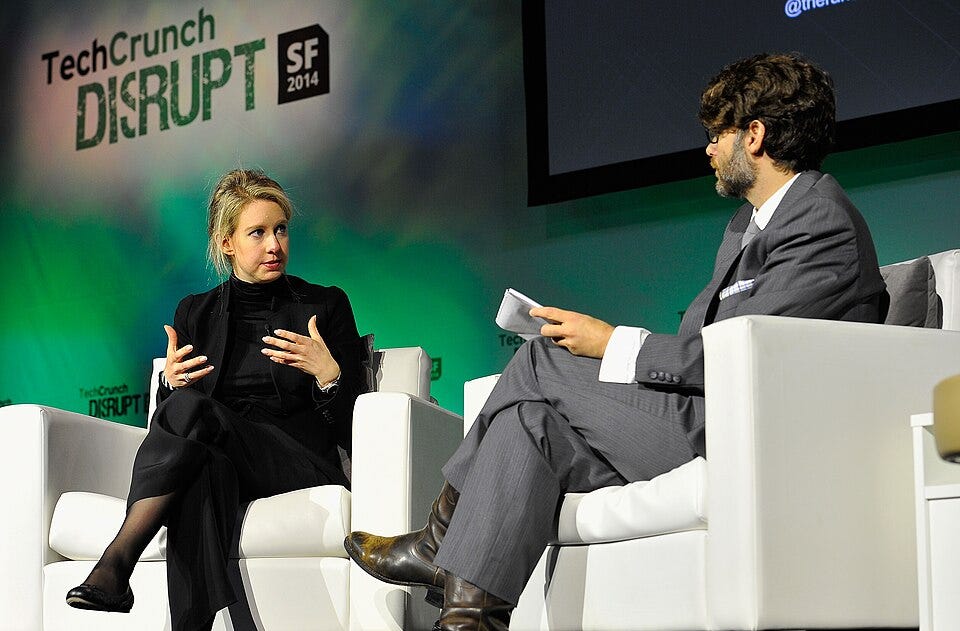
On this day in 2018, Theranos, the failed blood-testing startup founded by Elizabeth Holmes, announced it would dissolve and turn its remaining assets over to creditors, marking the final unwind of one of Silicon Valley’s most notorious corporate collapses. Read More: ElizabethHolmes – Theranos (Business Blunders Hall Of Shame)
Sept. 6
Fannie Mae / Freddie Mac — Government Takeover (2008)
The U.S. placed mortgage giants Fannie Mae and Freddie Mac into conservatorship as mounting losses threatened the financial system, marking one of the most dramatic interventions of the housing crisis.
Fox News — Settlement (2016)
Fox News agreed to pay $20 million to settle sexual-harassment claims brought by anchor Gretchen Carlson, part of a scandal that led to the ouster of CEO Roger Ailes.
Sept. 7
Drexel Burnham Lambert — Fraud Charges (1988)
Regulators charged Drexel Burnham Lambert and its star junk-bond trader Michael Milken with securities fraud, a landmark white-collar case that ultimately contributed to the firm’s collapse and reshaped Wall Street’s high-yield bond market. Read More: Michael Milken – Drexel Burnham Lambert (Business Blunders Hall Of Shame)
Sept. 8
Recording Industry Association of America — Legal Action (2003)
The Recording Industry Association of America filed lawsuits against 261 individuals, some of them just children, accusing them of illegally sharing copyrighted music online in one of the first major legal crackdowns on peer-to-peer file sharing. The campaign, aimed at curbing piracy, sparked widespread backlash and debate over digital rights and enforcement.
Sept. 9
Financial Corp. of America — Bankruptcy (1988)
Financial Corp. of America filed bankruptcy Its principal subsidiary, American Savings and Loan, had been seized by the Federal Savings and Loan Insurance Corp. days earlier. As the nation’s second-largest thrift, it became the costliest failure of the savings and loan crisis. Years of rapid growth, risky real estate lending, bad mortgage investments and deposit runs had left the institution insolvent.
Quiksilver — Bankruptcy (2015)
Quiksilver, one of the first surfwear brands to go public, filed bankruptcy as mounting debt, declining sales, and competition from fast-fashion retailers eroded its once-iconic position.
CBS — CEO Resignation (2018)
Leslie Moonves resigned as chairman, president, and CEO of CBS, effective immediately, following multiple allegations of sexual misconduct and harassment. Read More: Lost In Love (Blunder Lists)
Sept. 10
Lehman Brothers — Collapse (2008)
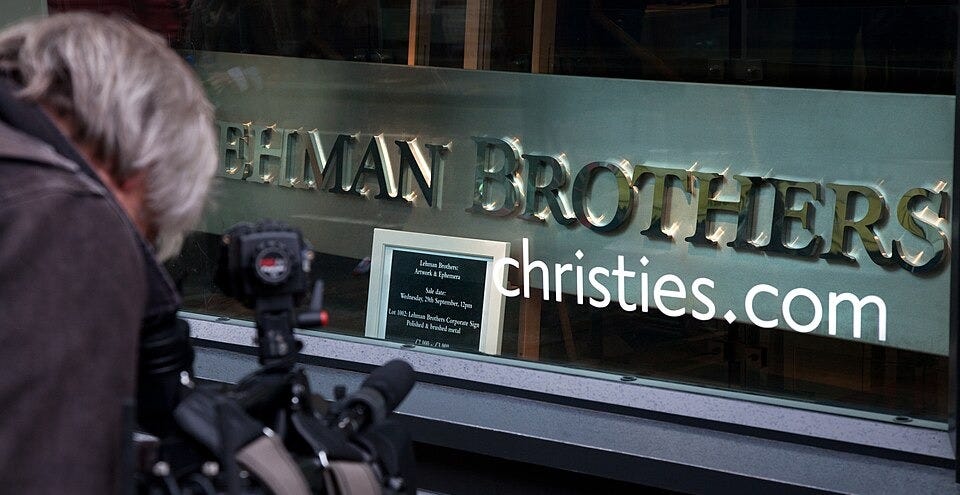
Lehman Brothers announced plans to spin off roughly $30 billion in troubled real estate assets and sell a majority stake in its investment management division after reporting a $3.9 billion quarterly loss. The desperate restructuring failed to restore confidence, and the firm collapsed just days later.
Eddie Antar — Death (2016)
On this day in 2016, Eddie Antar, founder of Crazy Eddie, died after serving time for a massive accounting scheme that inflated profits and misled investors.Renowned for its late-night TV commercials touting “in-saaane” prices, Crazy Eddie began as a family-run skimming operation. It grew from a single electronics store in Brooklyn into one of the most memorable stock frauds of the late 1980s.Read More: Eddie Antar – Crazy Eddie (Business Blunders Hall Of Shame)
Tricolor Holdings — Bankruptcy (2025)
Tricolor Holdings filed for bankruptcy as rising defaults and funding pressures overwhelmed the subprime auto lender’s business model. Read More: Going All Enron On Them (Business Blunders)
Sept. 11
Drexel Burnham Lambert — Guilty Plea (1989)
Drexel Burnham Lambert pleaded guilty to felony securities violations and agreed to pay $650 million in fines and penalties, one of the largest settlements of its kind at the time, sealing the fate of the junk-bond era’s most notorious firm. Read More: Michael Milken – Drexel Burnham Lambert (Business Blunders Hall Of Shame)
Norfolk Southern — CEO Firing (2024)
On this day in 2024, Norfolk Southern announced it fired CEO Alan Shaw over a consensual relationship with the company’s general counsel that violated corporate policy. He’d survived activist investors, hostile union leaders and a toxic train crash in East Palestine, Ohio. But it was the affair that cost him a job that paid $13.4 million in total compensation the previous year. Read More: Drivin’ That Train (Business Blunders)
Sept. 12
US Airways — Bankruptcy (2004)
US Airways filed bankruptcy for the second time in two years, as rising costs, labor disputes, and intense competition continued to batter the carrier.
BP — CEO Resignation (2023)
Bernard Looney resigned as CEO of BP after an internal investigation revealed he had not fully disclosed multiple relationships with colleagues, violating company policy. Read More: Lost In Love (Blunder Lists)
Sept. 13
Oppenheimer & Co. — Settlement (2022)
Regulators charged Oppenheimer & Co. Inc. and other underwriters for violating municipal bond disclosure requirements, alleging they failed to adequately vet issuers’ financial information before selling bonds to investors. The firms agreed to settlements including penalties and undertakings to improve compliance.
Zymergen — Settlement (2024)
Zymergen, an Emeryville, Calif.-based biotechnology company. agreed to pay $30 million to settle Securities and Exchange Commission charges. Regulators alleged it misleaded investors in its initial public stock offering about its market potential. Zymergen raised about $530 million in April 2021 and filed bankruptcy in 2023.
Sept. 14
Delta Air Lines / Northwest Airlines — Bankruptcy (2005)
Delta Air Lines and Northwest Airlines both filed bankruptcy, marking one of the largest simultaneous restructurings in aviation history as rising fuel costs and intense competition battered the industry.
Sept. 15
Lehman Brothers — Bankruptcy (2008)
Lehman Brothers filed bankruptcy, the largest in U.S. history, triggering panic across global financial markets and marking a defining moment of the financial crisis. CEO Dick Fuld stepped down as the firm collapsed. Read More: The Biggest Business Blunders Of All Time (Blunder Lists)
Sept. 16
Apple — Executive Ouster (1985)
Steve Jobs resigned from Apple following a power struggle with CEO John Sculley and the board, stripping the co-founder of control over the company he built. The ouster came after disappointing sales of the Macintosh and internal clashes over strategy, a move widely seen as a defining misstep before Jobs’ eventual return years later.
American International Group — Government Bailout (2008)
The Federal Reserve rescued American International Group with an $85 billion emergency loan. Losses tied to its derivatives portfolio pushed the global insurance giant to the brink of collapse, igniting backlash against “too big to fail” financial firms.
Sept. 17
New York Stock Exchange — CEO Resignation (2003)
Richard Grasso resigned as chairman and chief executive of the New York Stock Exchange. He stepped down following intense pressure and controversy regarding his $139.5 million pay package.
Duke Energy — Settlement (2003)
Duke Energy Trading and Marketing agreed to pay a $28 million civil penalty to the Commodity Futures Trading Commission to settle charges of false reporting and attempted manipulation of natural gas prices.
Occupy Wall Street — Protest Movement (2011)
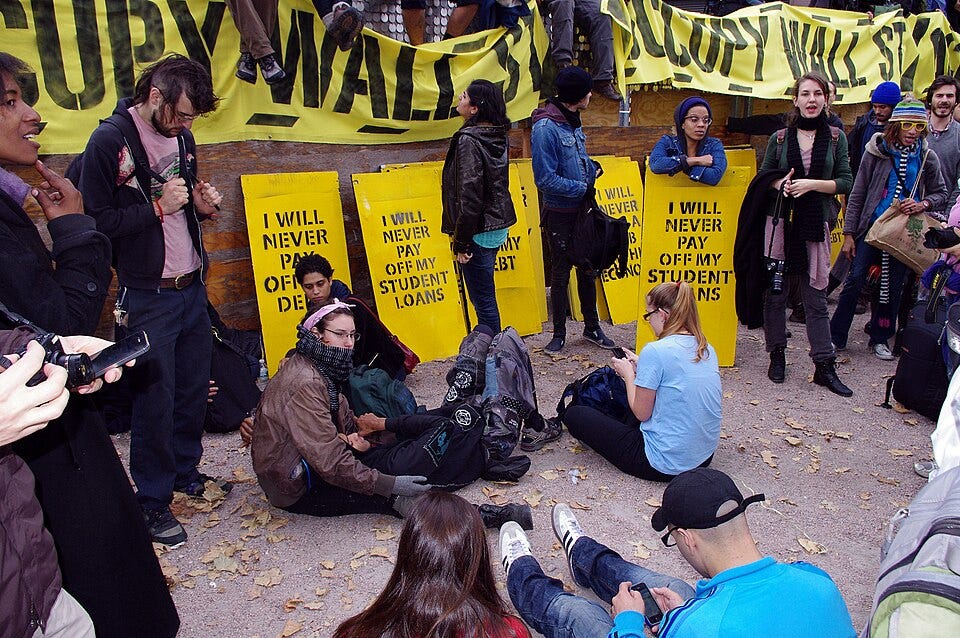
Occupy Wall Street protestors descended upon New York’s Zuccotti Park, channeling public anger over the financial crisis, bank bailouts, and rising inequality into a global movement that challenged corporate power and Wall Street excess. Nothing changed.
Russell Wasendorf Sr. — Fraud Conviction (2012)
Russell Wasendorf Sr. pleaded guilty to fraud and lying to regulators after admitting to a years-long scheme that siphoned more than $215 million in customer funds at Peregrine Financial Group. He was later sentenced to 50 years in prison.
General Motors — Criminal Settlement (2015)
General Motors agreed to pay $900 million to resolve criminal charges over faulty ignition switches linked to fatalities, exposing years of safety failures and delayed recalls.
Sept. 18
Jay Cooke & Co. — Collapse (1873)
The Panic of 1873 ignited when investment bank Jay Cooke & Co. failed after overextending itself financing the Northern Pacific Railway. The collapse triggered a wave of bank failures and market downturns in the United States and Europe, setting off an economic downturn known as the Long Depression.
Toys “R” Us — Bankruptcy (2017)
Toys “R” Us filed one of the largest retail bankruptcies in U.S. history, as heavy debt from a 2005 leveraged buyout collided with rising competition from Amazon and other online retailers. The once-dominant toy chain was ultimately unable to overcome its financial burden.
Netflix — Product Failure (2011)
Netflix CEO Reed Hastings announced plans to split the company’s DVD-by-mail business into a separate brand called Qwikster. The move, following a controversial price hike, sparked a customer revolt and forced a swift reversal.
Volkswagen — Fraud Charges (2015)
The Environmental Protection Agency accused Volkswagen of using software to cheat emissions tests in diesel vehicles, triggering the global “Dieselgate” scandal and forcing the company to acknowledge the deception.
Sept. 19
Tyco — Fraud Sentencing (2005)
Dennis Kozlowski, the former CEO of Tyco International, and CFO Mark Swartz were each sentenced him to 8⅓ to 25 years for looting the company of hundreds of millions of dollars in unauthorized bonuses and expenses. Read More: Dennis Kozlowski – Tyco (Business Blunders Hall Of Shame)
JPMorgan Chase — London Whale Settlement (2013)
JPMorgan Chase agreed to pay $200 million to settle Securities and Exchange Commission charges stemming from its “London Whale” trading debacle. The SEC said the bank misstated financial results and lacked adequate controls as traders concealed hundreds of millions of dollars in losses. The disastrous derivatives bets ultimately cost JPMorgan more than $6 billion.
Truly Organic — Regulatory Settlement (2019)
Miami-based Truly Organic and founder Maxx Harley Appelman agreed to pay $1.76 million to settle Federal Trade Commission allegations that the bath and beauty products it marketed as “100% organic” and “certified organic” were neither.
Cboe Global Markets — CEO Resignation (2023)
CBOE Global Markets announced that CEO Edward Tilly had resigned after a board investigation found he failed to disclose personal relationships with colleagues. Read More: Lost In Love (Blunder Lists)
Sept. 20
Akamai Technologies — Insider Trading (2013)
Regulators charged former Akamai Technologies executive Kieran Taylor with feeding inside information into the insider-trading network surrounding Galleon Group founder Raj Rajaratnam. Taylor settled without admitting or denying the allegations, agreeing to pay more than $145,000 and accept a five-year officer-and-director bar. The case extended one of the most sweeping insider-trading crackdowns in Wall Street history and ended with a prison term for Rajaratnam. Read More: Raj Rajaratnam – Galleon Group (Business Blunders Hall Of Shame)
Sept. 21
Berkeley Premium Nutraceuticals — Criminal Charges (2006)
A federal grand jury indicted Berkeley Premium Nutraceuticals, its owner Steve Warshak, and others on charges including conspiracy, mail, wire, and bank fraud. The indictment alleged a $100 million scheme to defraud consumers and banks. The fraud involved deceptive advertising, some featuring “Smiling Bob,” pitching a “male sexual enhancement” supplement called Enzyte. Warshak was later convicted and sentenced to 10 years in federal prison.
Goldman Sachs / Morgan Stanley — Regulatory Change (2008)
Goldman Sachs and Morgan Stanley were allowed to convert into bank holding companies, ending the era of standalone Wall Street investment banks. The shift gave them access to Federal Reserve funding and a pathway to federally insured deposits amid a financial crisis.
Sept. 22
U.S. Tobacco Industry — Fraud Charges (1999)
The Department of Justice filed a civil racketeering lawsuit against major tobacco companies, accusing them of a decades-long scheme to deceive the public about the health risks of smoking. In 2006, a federal court found the companies liable under racketeering laws and ordered them to issue corrective statements to consumers.
Peregrine Systems — Bankruptcy (2002)
Peregrine Systems, a California-based provider of IT asset management and enterprise software, filed bankruptcy after admitting it had overstated roughly $100 million in revenue.
Hewlett-Packard — CEO Firing (2011)
Hewlett Packard ousted its CEO Léo Apotheker Léo Apotheker after less than a year on the job. The move followed a steep drop in the company’s stock and a chaotic strategic shift that included abandoning its webOS devices and a proposed spin-off of its PC business. He was replaced by former eBay CEO Meg Whitman.
Sept. 23
Long-Term Capital Management — Bailout (1998)
The Federal Reserve Bank of New York brokered a $3.6 billion private bailout of Long-Term Capital Management, the highly leveraged hedge fund whose massive losses threatened to destabilize global financial markets. A consortium of major Wall Street firms stepped in to prevent a disorderly collapse.
Blockbuster — Bankruptcy (2010)
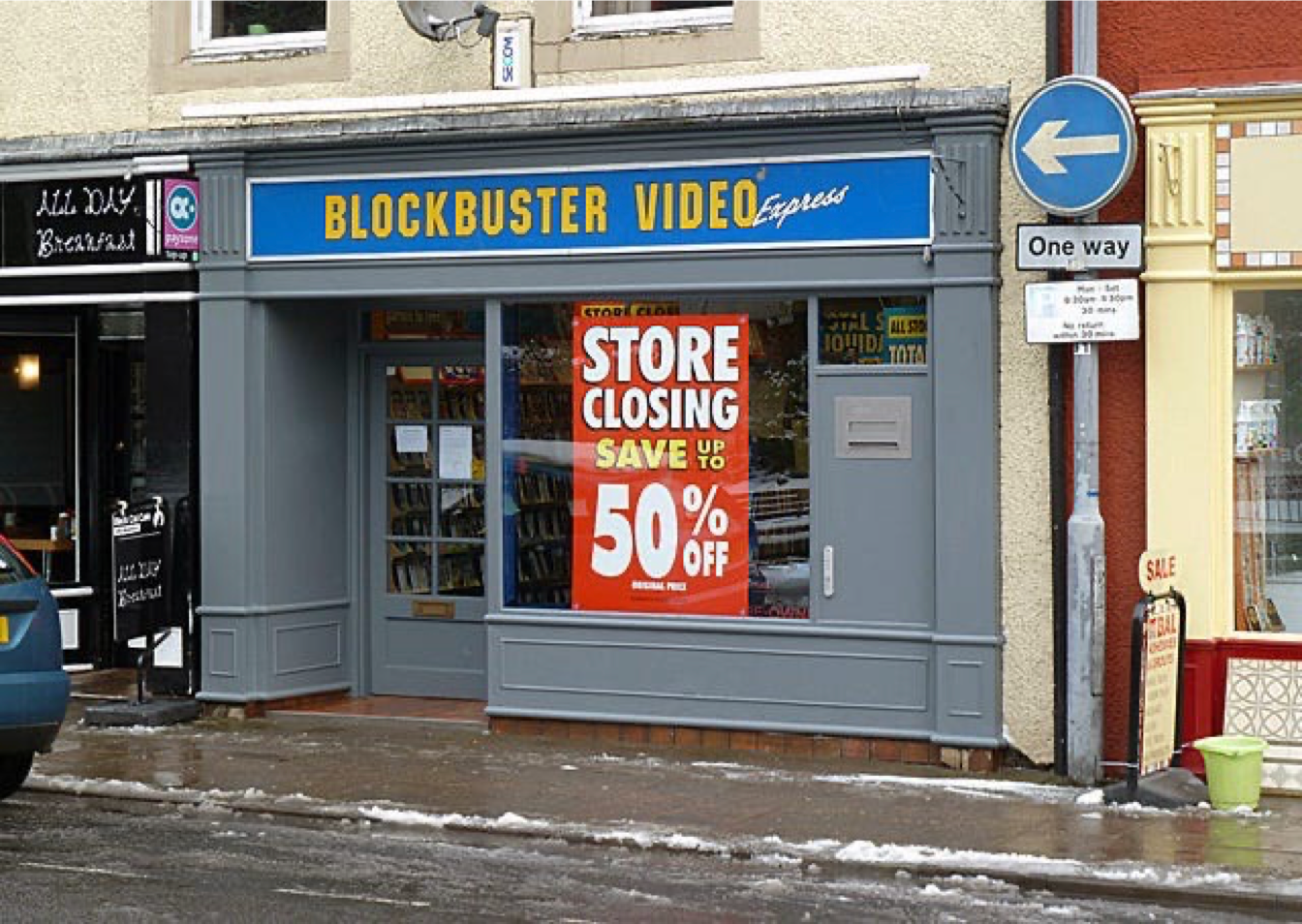
Blockbuster filed bankruptcy, weighed down by nearly $1 billion in debt after years of struggling to compete with Netflix and kiosk rival Redbox. In 2000, it passed on an opportunity to buy Netflix for $50 million. Read more: The Biggest Business Blunders Of All Time (Blunder Lists)
Volkswagen — CEO Resignation (2015)
Martin Winterkorn resigned as CEO of Volkswagen amid the Dieselgate emissions scandal, taking responsibility for the crisis while denying personal wrongdoing. Read More: Slipping Away From Prosecutors (Business Blunders)
Sept. 24
U.S. Gold Market — Collapse (1869)
The U.S. gold market collapsed in the Black Friday panic after speculators tried to corner the market. President Ulysses S. Grant ordered the Treasury to sell gold, breaking the scheme and sending prices tumbling. The scandal exposed how easily political access and financial manipulation could collide.
WeWork — CEO Resignation (2019)
Adam Neumann stepped down as CEO of WeWork after its planned stock offering collapsed amid mounting losses. The co-working space provider had a flawed business model. It signed long-term leases, then rented the space on short-term agreements, leaving it on the hook for years of rent whether the desks were occupied or not. SoftBank saved WeWork from collapse. It went bankrupt four years later. Neumann went on to another venture. Read More: The Biggest Business Blunders Of All Time (Blunder Lists)
Sept. 25
Amazon — Settlement (2025)
The Federal Trade Commission announced a $2.5 billion settlement with Amazon , the Federal Trade Commission announced a $2.5 billion settlement with Amazon over allegations that it tricked millions of customers into signing up for Prime and made subscriptions difficult to cancel. The settlement included a $1 billion civil penalty and $1.5 billion in refunds to customers.
Sept. 26
Anthony “Tino” De Angelis – (Death 2009)
Commodities trader Anthony “Tino” De Angelis died at 93. He masterminded the Great Salad Oil Swindle, borrowing as much as $180 million against supposedly vast stores of soybean oil. The tanks were mostly filled with water, topped with enough oil to fool inspectors. The fraud ensnared more than 50 banks and trading firms, nearly wrecked an American Express subsidiary and helped trigger a Wall Street panic when it collapsed in 1963.
Washington Mutual — Bankruptcy (2008)
Washington Mutual filed bankruptcy, one day after regulators seized its banking subsidiary in the largest bank failure in U.S. history. The Federal Deposit Insurance Corporation sold the banking operations to JPMorgan Chase as a financial crisis escalated.
Sept. 27
Freddie Mac — Settlement (2007)
Four former Freddie Mac executives settled civil charges tied to the mortgage giant’s accounting scandal, agreeing to pay a combined $515,000 in civil fines and $275,548 in restitution. The agency had accused them of negligent conduct in a scheme that smoothed earnings and misled investors during the housing boom. Additionally, Freddie Mac agreed to a $50 million settlement.
Sept. 28
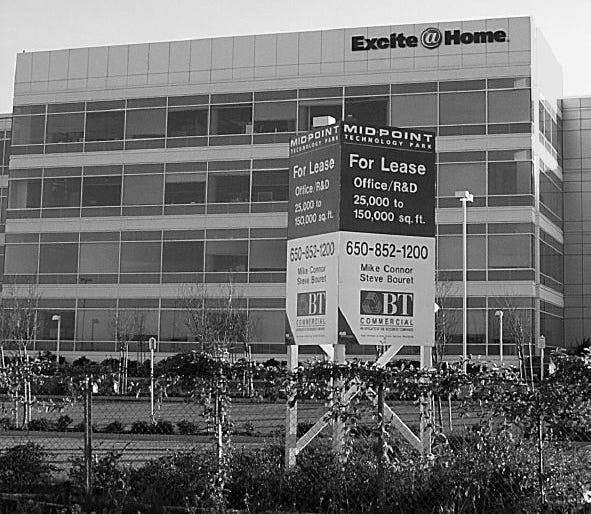
Excite@Home — Bankruptcy (2001)
Excite@Home, once a high-flying broadband and web portal venture valued in the billions, filed bankruptcy as the dot-com bubble unraveled. Saddled with debt and shrinking ad revenue, the company became one of the era’s most visible tech flameouts.
Bank of America — Settlement (2012)
Bank of America agreed to pay $2.43 billion to settle a class-action lawsuit tied to its acquisition of Merrill Lynch during the financial crisis. Shareholders alleged the bank misled investors about Merrill’s mounting losses and bonus payouts ahead of the merger.
Sept. 29
Tesla — Settlement (2018)
Elon Musk and Tesla settled civil fraud charges over misleading tweets claiming he had “funding secured” to take the automaker private. The posts triggered sharp market swings and drew allegations that investors had been misled.
Charlie Javice — Fraud Sentencing (2025)
Charlie Javice, founder of student aid startup Frank, was sentenced to more than seven years in prison for defrauding JPMorgan Chase in a $175 million sale. Prosecutors said she fabricated millions of fake customer accounts to make the company appear far larger than it was. Read More: JPMorgan Chumps (Business Blunders)
JPMorgan Chase — Criminal Settlement (2020)
JPMorgan Chase agreed to pay $920 million to resolve criminal charges tied to schemes that manipulated precious metals and Treasury markets. Traders used “spoofing” tactics to distort prices, marking one of the largest penalties ever for market manipulation. Read More: The Outrageous Acts Of Criminally Charged Corporations (Blunder Lists)
Sept. 30
Adelphia Communications — Fraud Conviction (2004)
John Rigas, founder of Adelphia Communications, died at 96. Rigas had been convicted in one of the largest corporate frauds of the early 2000s, after using company funds to cover billions in hidden family debt. Read More: John Rigas – Adelphia Communications (Business Blunders Hall Of Shame)