

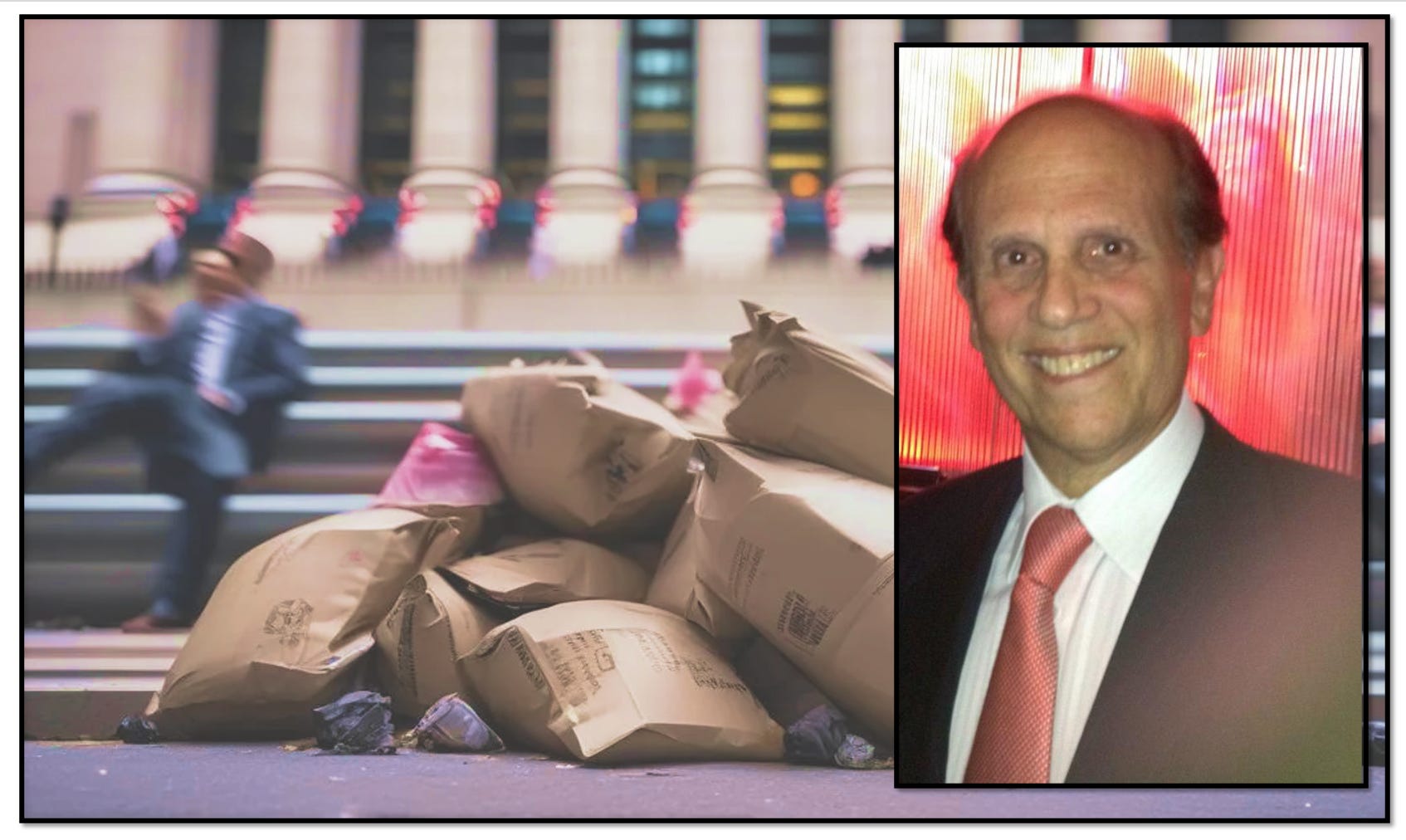
Junk Bond King Michael Milken became a symbol of Wall Street greed in the 1980s, and, with his ally Ivan Boesky, he helped inspire the character played by Michael Douglas in the iconic 1987 film “Wall Street.”
At the now defunct firm, Drexel Burnham Lambert, Milken pioneered the high-yield bond market that enabled corporate raiders to pursue leveraged buyouts and hostile takeovers. He personally made $1 billion over a four-year run, a record at the time.
In 1986, Boesky pleaded guilty to securities fraud as part of a widespread insider trading investigation. The rogue stock trader implicated Milken as part of a plea deal.
Milken was indicted in 1989 and pleaded guilty to securities and reporting violations. He was banned from the securities industry, fined $600 million and sentenced to 10 years in prison, though only ended up serving about two years.
Milken is a study in redemption for white collar crooks seeking to clear their sullied reputations.
Following his release from prison in 1993, Milken launched a public relations campaign to characterize his prosecution as a bum rap and position himself as a lauded philanthropist. He became a major funding source for cancer research, particularly prostate cancer, which he personally survived.
One beneficiary of Milken’s prostrate cancer contributions was Rudy Giuliani, who prosecuted Milken when he was the U.S. Attorney in Manhattan. Giuliani lived on to support Milken’s request for presidential pardon. And President Donald Trump pardoned Milken in 2020.
Milken has long kept a low public profile, but for decades he has carried tremendous influence as the founder of The Milken Institute, a nonprofit, nonpartisan think tank in Santa Monica, Calif.
The organization is focused on financial, physical, mental, and environmental health issues. It annually gathers some of the world’s most influential leaders to work on some of the planet’s most vexing problems.
In announcing a pardon, Trump noted Milken’s valuable contributions to cancer research. “He suffered greatly,” Trump said. “He paid a big price; paid a very tough price.”