

This archive tracks major business blunders that occurred on each day in October, from historic corporate collapses to modern fraud cases and executive failures.
Oct. 1
BP — CEO Resignation (2010)
Tony Hayward stepped down as CEO of BP, months after the Deepwater Horizon disaster triggered one of the worst oil spills in history. His tenure unraveled amid public backlash and mounting financial and environmental damage. Read More: CEOs Say The Dumbest Things (Blunder Lists)
Oct. 2
Don Lapre – The Making Money Show (2011)
TV huckster Don Lapre died by suicide in an Arizona jail cell at age 47, two days before his federal fraud trial. The self-proclaimed “King of Infomercials,” famous for promising riches from classified ads, had been charged with running a scheme that allegedly sold worthless Internet businesses to nearly 227,000 people, raking in almost $52 million. Read More: Don Lapre – The Making Money Show (Business Blunders Hall Of Shame)
Ian Freeman — Fraud Sentencing (2023)
Ian Freeman was sentenced to eight years in prison for operating a bitcoin-based money-laundering scheme that processed more than $10 million from romance scams and other online frauds targeting vulnerable victims.
National Public Data — Bankruptcy (2024)
National Public Data filed bankruptcy after a massive data breach exposed the personal information of millions. The background-check and data-aggregation company faced lawsuits and regulatory scrutiny but had little money to deal with the fallout. Its bankruptcy case was dismissed weeks later, and the company ultimately shut down.
Oct. 3
U.S. Government — Banking Bailout (2008)
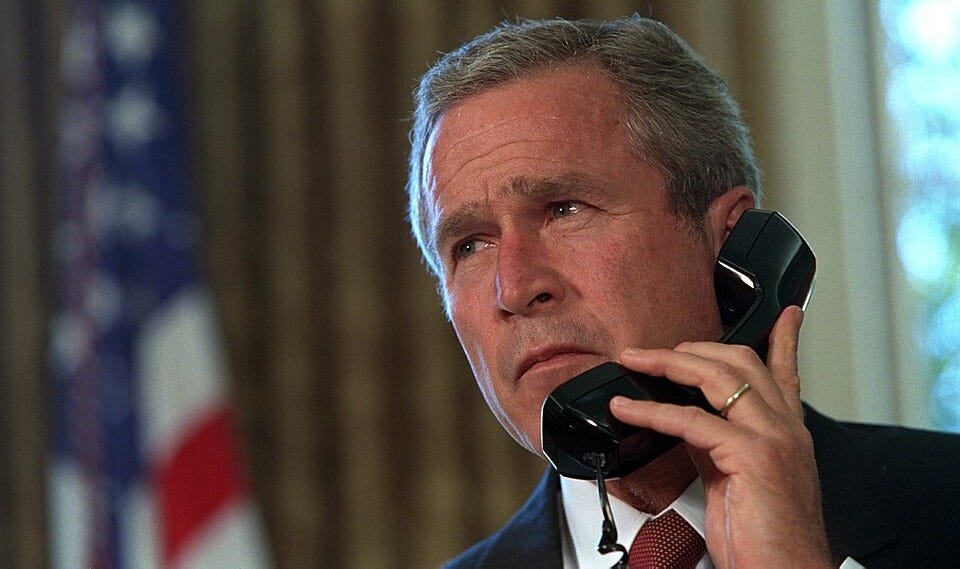
George W. Bush signed a $700 billion financial rescue package into law, creating the Troubled Asset Relief Program to stabilize a collapsing banking system. The unprecedented bailout came as the financial crisis threatened to bring down major institutions.
Oct. 4
Hewlett-Packard — Criminal Charges (2006)
California’s attorney general filed criminal charges against Patricia Dunn, then-chair of Hewlett-Packard, and others over the company’s “pretexting” scandal, which involved illegally obtaining phone records to identify boardroom leaks. The case later unraveled, with charges against Dunn dismissed in 2007 after a co-defendant’s plea deal.
Equifax — Congressional Testimony (2017)
Richard Smith, former CEO of Equifax, appeared before Congress to apologize for a data breach that exposed the personal information of 148 million Americans, nearly half the population in the U.S. Despite the scale of the failure, Smith retired with compensation valued in the tens of millions, fueling outrage over accountability.
Oct. 5
Jérôme Kerviel – Société Générale trader
Former Société Générale trader Jérôme Kerviel was convicted of breach of trust, forgery and unauthorized use of the French bank’s computer systems after secretly placing about €50 billion in unauthorized trades. The trades ultimately cost Société Générale €4.9 billion. Kerviel was sentenced to five years in prison, with two suspended, and ordered to repay the entire €4.9 billion loss. France’s highest court later upheld his conviction but threw out the damages award. In 2016, another court reduced his liability to €1 million.
Mattress Firm — Bankruptcy (2018)
Mattress Firm filed bankruptcy after years of rapid expansion left it with too many stores and too much debt. The company said it would close hundreds of underperforming locations, with plans to shutter up to 700 stores. Read More: A CEO Who Made His Own Bed (Business Blunders)
Oct. 6
Countrywide Financial — Regulatory Settlement (2008)
California Attorney General Edmund Brown announced an $8.68 billion multi-state settlement with Countrywide Financial over deceptive and predatory mortgage lending during the housing boom. The deal aimed to provide relief to hundreds of thousands of struggling borrowers as the financial crisis intensified. CEO Angelo Mozilo later agreed to pay $67.5 million in fines and accept a lifetime ban from serving as an officer or director of any public company.
Oct. 7
Ruby Tuesday — Bankruptcy (2020)
Ruby Tuesday filed bankruptcy, citing the impact of the Covid-19 pandemic on its business. The company announced plans to permanently close 185 restaurants as it attempted to restructure.
Calvin Darden Jr. — Fraud Conviction (2024)
A federal jury convicted Calvin Darden Jr. for defrauding retired NBA players Dwight Howard and Chandler Parsons out of approximately $8 million.
Oct. 8
Martha Stewart — Prison Sentence (2004)
Martha Stewart reported to a federal prison camp in West Virginia to begin a five-month sentence tied to the ImClone trading scandal. She had been convicted of conspiracy, obstruction of justice, and making false statements to investigators. Read More: Martha Stewart – Martha Stewart Living (Business Blunders Hall Of Shame)
Bank of America — Regulatory Settlement (2008)
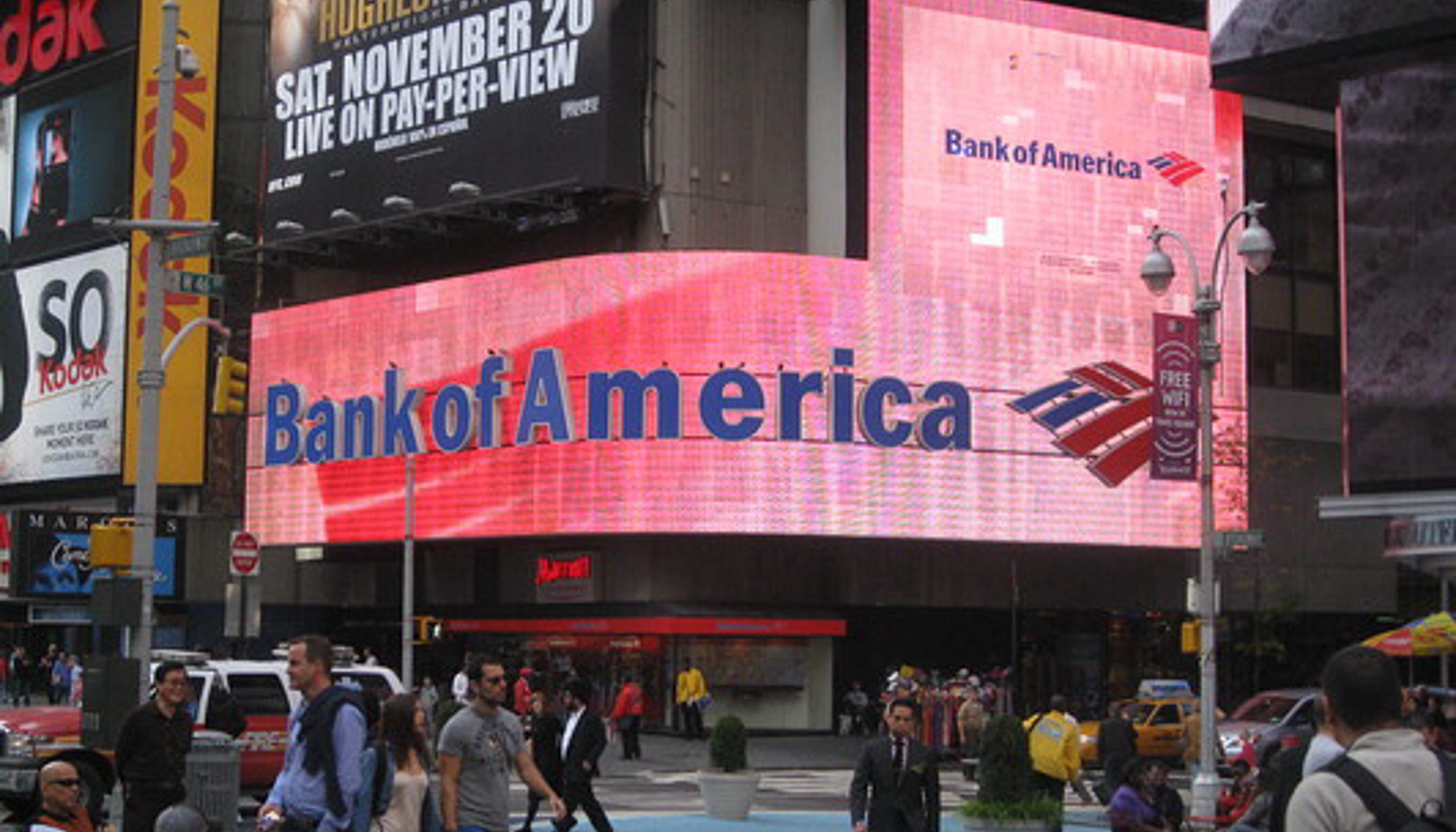
Bank of America agreed to buy back billions of dollars in auction-rate securities it had sold as safe, liquid investments. Despite it’s promises, the auctions froze in the financial crisis and thousands of customers couldn’t get their money out. The nation’s second-largest bank ultimately returned more than $6.7 billion to investors. The SEC imposed no civil penalty after concluding the bank had fulfilled its settlement obligations.
SAExploration — Accounting Fraud Charges (2020)
Regulators charged SAExploration Holdings and four former executives in a $100 million accounting fraud case, alleging they falsely inflated revenue and concealed the theft of millions from the seismic data company. The SEC said the company had already restated its financials and declared bankruptcy earlier that year.
Oct. 9
Magic Mushrooms – Regulatory Charges (2024)
Regulators charged penny-stock company Minerco and promoters Robert “Bobby” Shumake and Julius Jenge in an alleged $8 million “magic mushroom” pump-and-dump. The pair allegedlypromised “shrooms to the moon” and touted a bogus billion-dollar valuation while dumping Minerco shares. Jenge has since pleaded guilty to conspiracy to commit wire fraud. Shumake, who is also accused of deleting company emails after learning of the SEC investigation, is scheduled for trial in February 2027. Read More: Magic Mushroom Pump-And -Dump (Business Blunders)
Stock Promoters – Regulatory Charges (2024)
Regulators charged three so-called “market makers” and nine individuals in a sweeping crackdown on crypto market manipulation. The Securities and Exchange Commission said promoters hired firms like ZM Quant, Gotbit, and CLS Global to generate fake trading activity using bots and wash trades to create the illusion of demand and lure retail investors into rigged markets.
Oct. 10
Kwame Kilpatrick — Sentencing (2013)
Former Detroit mayor Kwame Kilpatrick was sentenced to 28 years in federal prison after being convicted on corruption, extortion and racketeering charges. Federal prosecutors said Kilpatrick and associates transformed Detroit’s City Hall into a criminal enterprise that rewarded insiders, rigged contracts and extracted cash and favors from businesses seeking city work. Detroit was already sliding toward bankruptcy while its mayor treated public office like a private revenue stream.
TD Bank — Guilty Plea (2024)
The nation’s 10th-largest bank pleaded guilty and agreed to pay over $1.8 billion for money laundering and violations of the Bank Secrecy Act. Former U.S. Attorney Merrick Garland said it best: “By making its services convenient for criminals, TD Bank became one.”
Oct. 11
Billy McFarland — Fraud Sentencing (2018)
Billy McFarland was sentenced to six years in prison for defrauding investors and customers in the failed Fyre Festival, a luxury music event that collapsed into chaos. After serving four years, he started promoting festivals all over again. Read More: Billy McFarland – Fyre Festival (Business Blunders Hall Of Shame)
Oct. 12
Polaroid — Bankruptcy (2001)
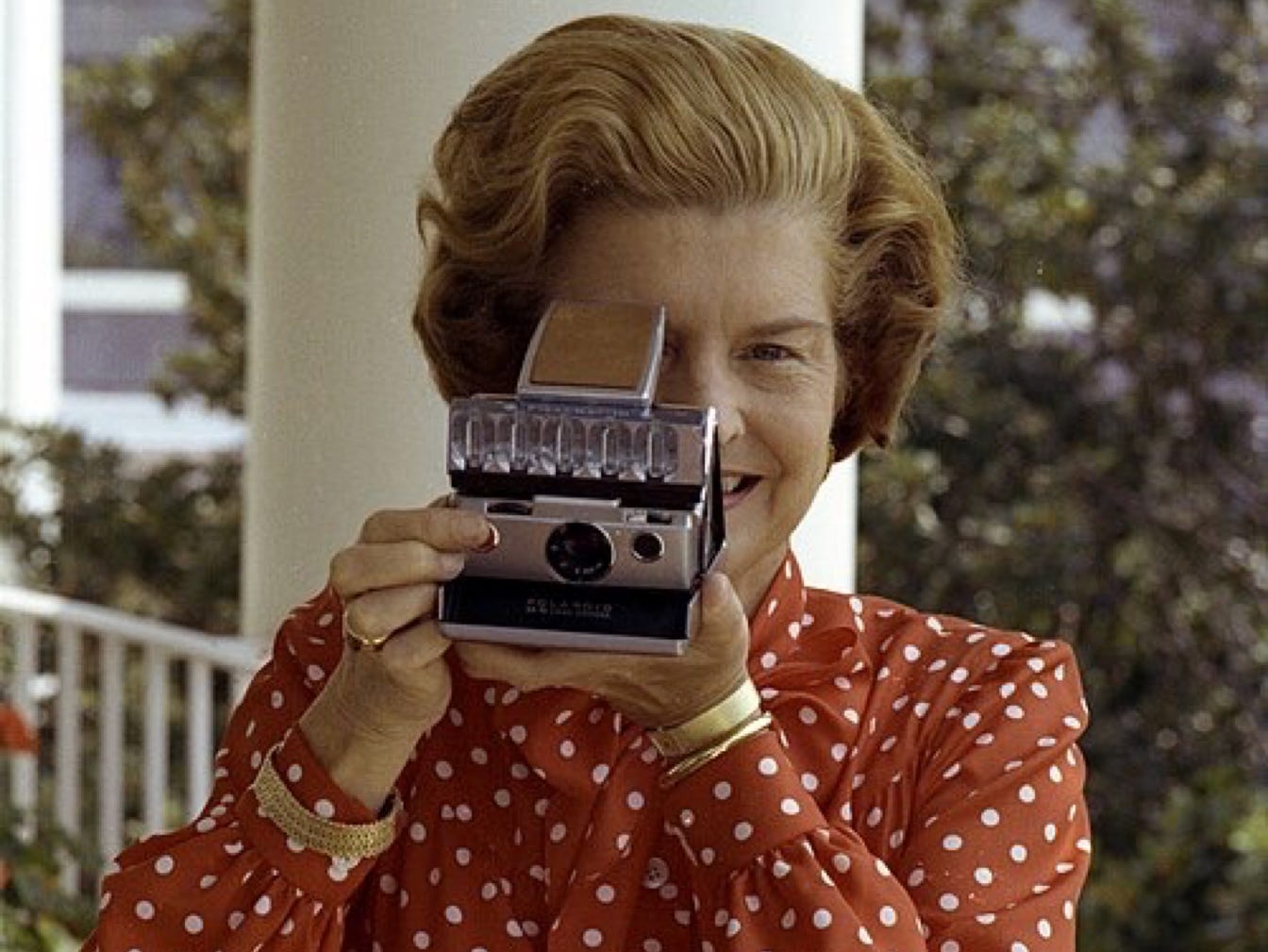
Polaroid filed bankruptcy, overwhelmed by debt and the rapid shift to digital photography. A successor company would file for bankruptcy again in 2008, underscoring the brand’s struggle to adapt.
Wells Fargo — CEO Resignation (2016)
John Stumpf resigned as chairman and CEO of Wells Fargo following a scandal in which employees created millions of unauthorized customer accounts to meet aggressive sales targets. Read More: The Wells Fargo Fraud Wagon (Business Blunders)
Oct. 13
UAL Corp. — Deal Collapse (1989)
A proposed $6.75 billion leveraged buyout of UAL Corp. collapsed after financing fell through, derailing an ambitious employee-led takeover. The news triggered a sharp market selloff, known as the “mini-crash,” with the Dow Jones Industrial Average plunging nearly 7%.
Raj Rajaratnam — Fraud Sentencing (2011)
Raj Rajaratnam, who founded the Galleon Group hedge fund, was sentenced to 11 years in prison for insider trading and conspiracy. He was also ordered to forfeit more than $150 million. The successful prosecution capped one of the most sweeping Wall Street investigations in years. He got stock tips from Raj Gupta, who served as a director at Goldman Sachsat the time, and was also sent to prison. Read More: Raj Rajaratnam – Galleon Group (Business Blunders Hall Of Shame)
Oct. 14
United Copper — Market Manipulation (1907)
Speculator F. Augustus Heinze launched a failed attempt to corner shares of United Copper Co, a reckless bet that quickly unraveled and helped ignite the Panic of 1907.
TARP – Government bailout (2008)
The U.S. Treasury, the Federal Reserve, and the Federal Deposit Insurance Corp. announced plans to inject capital into major banks by taking equity stakes under the Troubled Asset Relief Program, a dramatic move to stabilize the financial system during the crisis.
Olympus — CEO Ouster (2011)
Olympus Corp. ousted CEO Michael Woodford after he questioned suspicious deals, a move that exposed a massive accounting scandal that had hidden losses for years. Woodford was later vindicated as the fraud came to light and executives were convicted.
Trevor Milton — Fraud Conviction (2022)
Trevor Milton, founder of Nikola Corp. was convicted of fraud for misleading investors about the company’s technology and business progress. He was later sentenced to four years in prison, then pardoned by Donald Trump. Read More: The Sins Not Even Trump Can Pardon (Business Blunders)
Oct. 15
Nortel — Regulatory Settlement (2007)
Nortel Networks Corp. agreed to pay a $35 million civil penalty to settle Securities and Exchange Commission charges over fraudulent accounting practices that misstated its financial results.
Sears Holdings — Bankruptcy (2018)
Sears Holdings, parent of Sears and Kmart, filed bankruptcy, marking the collapse of an iconic retail empire. The filing also ended Eddie Lampert’s tenure as CEO after years of store closings, asset sales and failed attempts to turn around the struggling chains.
Oct. 16
Raytheon — Deferred Prosecution (2024)
Raytheon Co. agreed to a $950 million resolution, including a deferred prosecution agreement, over bribery, pricing fraud, and export control violations. Read More: The Outrageous Acts Of Criminally Charged Corporations (Blunder Lists)
Citigroup — CEO Resignation (2012)
Vikram Pandit abruptly stepped down as CEO of Citigroup after five tumultuous years that earned him the nickname “Pandit the Bandit.” Citi nearly collapsed on his watch, requiring a $45 billion federal bailout, while its shares lost nearly 90% of their value. Pandit nevertheless collected millions in compensation on top of about $165 million he received when Citi bought his hedge fund shortly before he became CEO.
Oct. 17
Refco — Bankruptcy (2005)
Refco, one of the nation’s largest commodities and futures brokers, filed bankruptcy a week after revealing that CEO Phillip Bennett had hidden hundreds of millions in bad debt through sham transactions. The scheme inflated Refco’s financial results and helped pave the way for a $583 million initial public stock offering just two months earlier. Bennett later pleaded guilty to 20 felonies and was sentenced to 16 years in prison.
ACI Worldwide — Regulatory Settlement (2023)
A coalition of state attorneys general announced a $10 million settlement with ACI Worldwide over a testing error that triggered more than $2 billion in unauthorized or attempted withdrawals from consumer mortgage accounts.
Oct. 18
Lafarge — Guilty Plea (2022)
French building materials giant Lafarge pleaded guilty to providing support to terrorist groups, including ISIS, through its Syrian subsidiary. The company agreed to pay roughly $778 million in penalties, marking the first-ever U.S. criminal prosecution of a company for providing material support to designated terrorist organizations.
Conn’s — CEO Resignation (2022)
Conn’sCEO Chandra Holt resigned after just over a year in the role as the furniture and electronics retailer struggled with declining sales in a weakening consumer environment.
CVS Health — CEO Resignation (2024)
CVS Health CEO Karen Lynch stepped down, following a period of financial underperformance, a 19% drop in share price that year, and disappointing quarterly earnings. She failed to navigate a drastically changed landscape for all pharmacies with online competition. At the time, she was one of only 46 female CEOs in among S&P 500 companies.
Oct. 19
John DeLorean — Criminal Charges (1982)

John Z. DeLorean, founder of DeLorean Motor Co., was arrested in an FBI sting and charged with conspiracy to distribute cocaine. The high-profile case later collapsed when he was acquitted on grounds of entrapment.
Global Markets — Market Crash (1987)
Global stock markets crashed in a single day of panic known as Black Monday, with the Dow Jones Industrial Average plunging 22.6%, the largest one-day percentage drop in its history.
Citigroup — Regulatory Settlement (2011)
Citigroup agreed to pay $285 million to settle charges that it misled investors about a $1 billion mortgage-linked Collateralized Debt Obligation or CDO. The bank structured a deal that bet against its own clients, highlighting the conflicts at the heart of the financial crisis.
Deutsche Bank — Operational Error (2015)
Reports revealed that Deutsche Bank had mistakenly transferred $6 billion to a U.S. hedge fund in a “fat finger” error earlier in the year, one of the largest known accidental payments in banking history. Read More: The Biggest Business Blunders Of All Time (Blunder Lists)
Oct. 20
House Un-American Committee – Blacklisting (1947)
The House Un-American Activities Committee opened hearings in Hollywood, launching the Red Scare. What followed was a blacklist that sidelined talent and transformed the economics of the film industry.
Fossil Group — Bankruptcy (2025)
Fossil Group filed bankruptcy in the U.S. to recognize a UK restructuring plan as the watchmaker struggled with declining sales and mounting pressure from smartwatch competitors.
Oct. 21
Quibi — Shutdown (2020)
Quibi announced it would shut down just six months after its launch, burning through nearly $2 billion in funding as its short-form mobile video model failed to attract enough users. Read More: The Biggest Business Blunders Of All Time (Blunder Lists)
Purdue Pharma — Guilty Plea (2020)
The Justice Department announced an $8.3 billion criminal and civil resolution with Purdue Pharma over its role in the opioid crisis. Purdue agreed to plead guilty to three felonies, including conspiring to defraud the United States and violating federal anti-kickback laws. Read More: It Takes Moxie To Push Oxy (Business Blunders)
Oct. 22
Knickerbocker Trust — Collapse (1907)
The Knickerbocker Trust suspended operations after a wave of withdrawals, deepening the Panic of 1907 and shaking confidence across New York’s financial system.
Wachovia — Loss Disclosure (2008)
Wachovia reported a staggering $24 billion quarterly loss – the largest ever for a U.S. bank at the time – as the financial crisis deepened. The collapse accelerated its sale to Wells Fargo at a fraction of its former value.
Goldman Sachs — Regulatory Settlement (2020)
Goldman Sachs agreed to pay more than $2.9 billion to resolve charges tied to its role in raising money for a Malaysian government investment fund that was looted by insiders. Bankers helped arrange bond deals while ignoring red flags that proceeds were being diverted for bribes, luxury purchases, and personal enrichment.
Abercrombie & Fitch — Criminal Charges (2024)

Michael Jeffries, former CEO of Abercrombie & Fitch, was indicted on sex trafficking charges tied to an alleged scheme involving young men. Read More: CEOs Gone Wild (Business Blunders)
Oct. 23
Jeffrey Skilling — Fraud Sentencing (2006)
Jeffrey Skilling, former CEO of Enron, was sentenced to 24 years and four months in prison for fraud and conspiracy tied to the company’s collapse. He assured shareholders the energy giant was fine. Then he resigned for “personal reasons” just before its collapse. Read More: Jeffrey Skilling – Enron (Business Blunders Hall Of Shame)
Oct. 24
J.P. Morgan — Private Bailout (1907)
As markets plunged during the Panic of 1907, financier J. P. Morgan organized a rescue of major banks, acting as a de facto central banker to stem the panic. His intervention helped stabilize the financial system and prevent a broader collapse.
Rajat Gupta — Fraud Sentencing (2012)
Rajat Gupta, former global head of McKinsey & Company and a board member of major corporations, was sentenced to two years in prison and fined $5 million. He was convicted for leaking confidential boardroom information to Raj Rajaratnam, the hedge fund manager behind a vast insider trading network. Read More: Rajat Gupta – Goldman Sachs (Business Blunders Hall Of Shame)
Bank of America — Fraud Lawsuit (2012)
The Justice Department sued Bank of America over its “Hustle” program, accusing the bank of pushing through faulty mortgages and dumping the risk onto Fannie Mae and Freddie Mac. It ended in a record $17 billion settlement.
Oct. 25
BP — Criminal Settlement (2007)
BP agreed to pay about $373 million to resolve criminal charges tied to a deadly refinery explosion in Texas, pipeline leaks in Alaska, and a scheme to manipulate propane markets. The case exposed systemic failures in safety, oversight, and compliance. Read More: The Outrageous Acts Of Criminally Charged Corporations (Blunder Lists)
MF Global — Collapse (2011)
MF Global, run by former New Jersey governor Jon Corzine, disclosed a $191.6 million quarterly loss and $6.3 billion in exposure to European sovereign debt, triggering credit downgrades that accelerated a fatal liquidity crisis. The firm filled bankruptcy less than a week later.
Oct. 26
RBS Securities — Criminal Settlement (2017)
RBS Securities agreed to pay $35 million to resolve criminal charges over a scheme to defraud its customers in trades of residential mortgage-backed securities and collateralized loan obligations between 2008 and 2013, misconduct tied to the practices that fueled the financial crisis.
Oct. 27
Global Markets — Major Selloff (1997)
The Dow Jones Industrial Average began a then-record two day plunge as fears from the Asian financial crisis rattled global markets. The selloff triggered trading halts, marking one of the first major tests of market circuit breakers.
Twitter — Acquisition (2022)
Elon Musk completed his $44 billion acquisition of Twitter and immediately fired top executives, capping months of legal battles with an abrupt leadership purge. The deal was widely viewed as a blunder after Musk overpaid, took on heavy debt, and triggered advertiser pullbacks and revenue declines. Read More: Musk Mouth (Business Blunders)
Oct. 28
Volkswagen — Financial Loss (2015)
Volkswagen reported its first quarterly loss in more than 15 years, posting a €1.67 billion loss after setting aside €6.7 billion to cover costs from its diesel emissions cheating scandal. Read More: The Biggest Business Blunders Of All Time (Blunder Lists)
Oct. 29
Wall Street — Market Crash (1929)
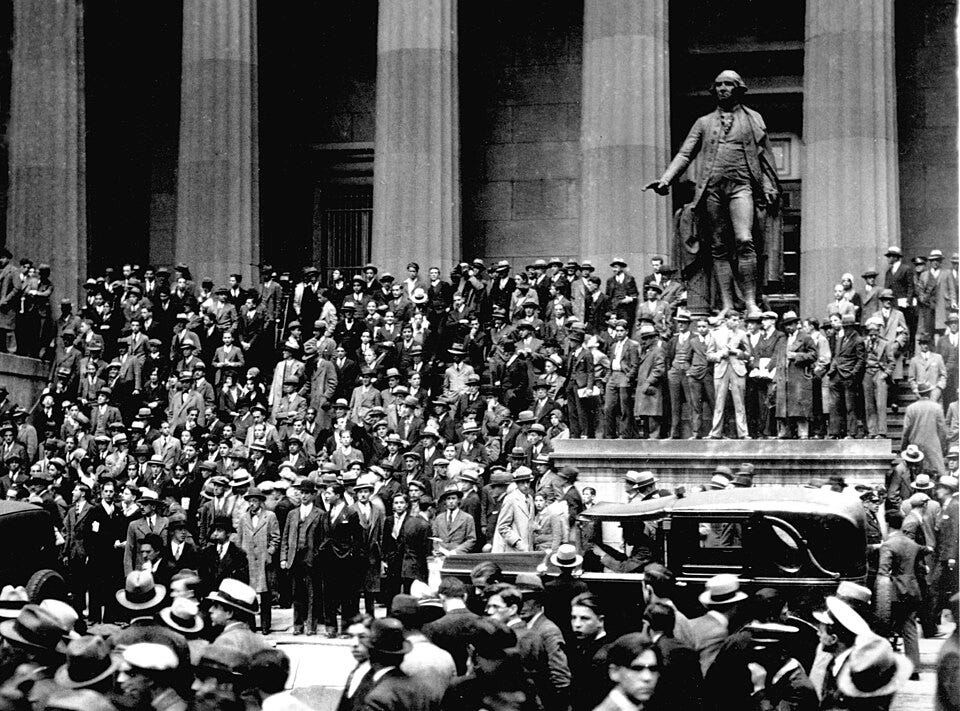
U.S. markets collapsed in a historic selloff known as Black Tuesday, the day after Black Monday, as panic selling overwhelmed the market and helped usher in the Great Depression.
Oct. 30
Merrill Lynch — CEO Ouster (2007)
Stan O’Neal was forced out as CEO of Merrill Lynch after massive losses on subprime mortgage bets. Risky bets on toxic assets wiped out billions and nearly toppled one of Wall Street’s most powerful firms.
Oct. 31
Andrew Fastow — Criminal Indictment (2002)
A federal grand jury indicted Andrew Fastow, former chief financial officer of Enron, on 78 counts including wire fraud, money laundering, and conspiracy tied to the company’s accounting schemes.
MF Global — Bankruptcy (2011)
MF Global, run by former New Jersey governor Jon Corzine, filed bankruptcy after risky bets on European sovereign debt triggered a liquidity crisis. More than $1 billion in customer funds went missing.
Samsung Electronics — Leadership Shakeup (2017)
Samsung Electronics announced a sweeping leadership shakeup, replacing the heads of its mobile, appliance, and semiconductor divisions ito quell a crisis triggered by the conviction of CEO Lee Jae-yong on bribery and embezzlement charges.