

This archive tracks major business blunders that occurred on each day in March from historic corporate collapses to modern fraud cases and executive failures.

March 1
Tino De Angelis — Fraud Conviction (1965)
Tino De Angelis, was convicted for his role in the infamous salad oil scandal. He faked inventories of vegetable oil to secure massive loans, triggering a fraud that rattled banks and commodities markets. Read More: Tino De Angelis – Allied Crude Vegetable Oil (Business Blunders Hall Of Shame)
BAE Systems — Guilty Plea (2010)
London-based defense contractor, BAE Systems, pleaded guilty and paid a $400 million fine for lying to the U.S. government and obstructing investigations into its compliance program. Read More: The Outrageous Acts Of Criminally Charged Corporations (Blunder Lists)
March 2
Standard Oil — Regulatory Action (1892)
The Ohio Supreme Court ruled that Standard Oil’s trust violated state law and ordered it dissolved. The decision struck at one of the most powerful monopolies of the era, marking an early blow against corporate consolidation.
Scott Sullivan — Guilty Plea (2004)
Scott Sullivan, former chief financial officer of WorldCom, pleaded guilty to conspiracy, securities fraud, and filing false documents. He helped orchestrate one of the largest accounting frauds in U.S. history, hiding billions in losses to prop up the company’s stock.
American International Group — Financial Loss (2009)
American International Group officially posted the largest quarterly loss ever reported by a publicly traded company – $61.7 billion – underscoring the catastrophic risk-management failures that helped trigger the financial crisis.
Sports Authority — Bankruptcy (2016)
Sports Authority filed bankruptcy after struggling with debt and competition from online and discount rivals. The once-dominant sporting goods chain never recovered, closing all of its stores later that year.
March 3
Charles Ponzi — Birthday (1882)
Charles Ponzi was born in Lugo, Italy. Today, he’s the brand name on a classic fraud that never ends. Read More: Charles Ponzi – Boston Swindler (Business Blunders Hall Of Shame)
Duke Cunningham — Sentencing (2006)
Former Republican Congressman Duke Cunningham was sentenced to more than eight years in prison after admitting he accepted at least $2.4 million in bribes from defense contractors in exchange for steering government business their way. Prosecutors said Cunningham traded Pentagon influence for yachts, antiques, cash and even a luxury home. Congressional oversight turned into a procurement menu.
Uber — Regulatory Evasion (2017)
The New York Times reported that Uber used a secret program it called “Greyball” to identify and evade regulators. The tactic exposed a culture willing to dodge oversight, fueling investigations and leadership turmoil.
Hanford Mission Integration Solutions — Settlement (2026)
The U.S. Department of Justice announced a $5 million settlement with Hanford Mission Integration Solutions over allegations that employees billed for work while taking naps or watching television. The case underscored oversight failures at a contractor involved in nuclear site cleanup. Read More: Homer Goes To Hanford (Business Blunders)
March 4
Mark Whitacre — Fraud Sentencing (1998)
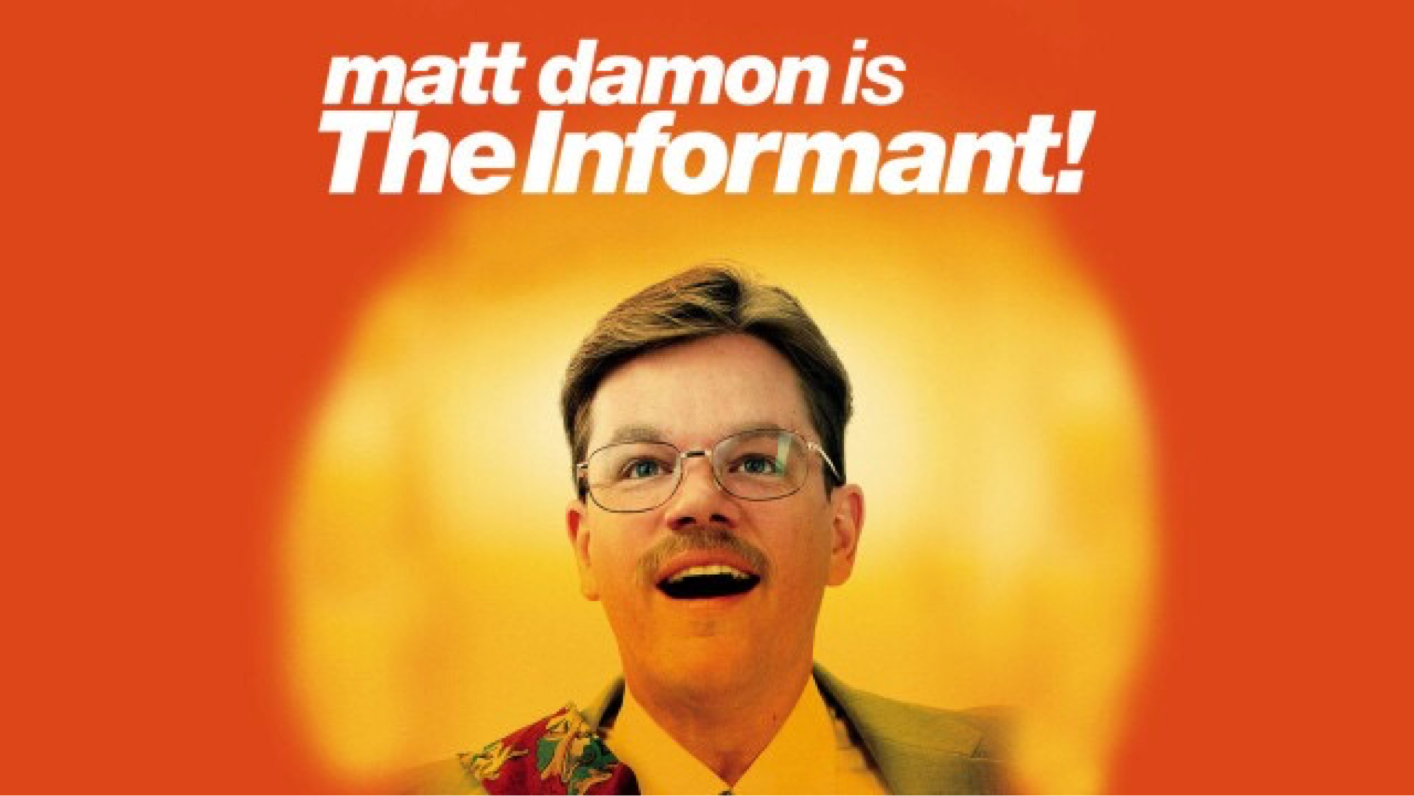
Mark Whitacre, a former executive at Archer Daniels Midland, was sentenced to nine years in prison for fraud and tax evasion tied to the global lysine price-fixing conspiracy. The whistleblower-turned-defendant helped expose the cartel while enriching himself in the process. Read More: The Outrageous Acts Of Criminally Charged Corporations (Blunder Lists)
Josh Verne — Fraud Sentencing (2026)
Josh Verne, founder of Ownable, was sentenced to more than nine years in prison for defrauding investors out of millions by misrepresenting the company’s performance and diverting funds for personal use. The case exposed how a consumer rent-to-own startup became a vehicle for investor fraud. Read More: Billionaire Blind Spot (Business Blunders)
March 5
Martha Stewart — Fraud Conviction (2004)
Martha Stewart was convicted of conspiracy, obstruction of justice, and making false statements related to her sale of ImClone Systems stock.
She wasn’t convicted of insider trading, but of lying about it to federal investigators, a misstep that sent her to prison for five months. Read More: Martha Stewart – Martha Stewart Living (Business Blunders Hall Of Shame)
Fidelity Investments — Settlement (2008)
Fidelity Investments was ordered to pay $8 million after the Securities and Exchange Commission alleged that the fund manager and 13 top executives and employees improperly accepted more than $1.6 million in travel, entertainment and gifts from outside brokers.
March 6
U.S. Banking System — Regulatory Action (1933)
Franklin D. Roosevelt declared a nationwide bank holiday, closing all U.S. banks to halt panic withdrawals. The move helped stabilize the financial system—but temporarily froze commerce across the country.
Boeing — CEO Firing (2005)
Boeing CEO Harry Stonecipher was dismissed after an internal investigation revealed a consensual relationship with a Boeing executive. Read More: Lost In Love (Blunder Lists)
March 7
Western Union — Acquisition Blunder (1876)
Alexander Graham Bell secured the patent for the telephone, a new technology that Western Union later passed on acquiring as it focused on its telegraph cables. Later accounts say Western Union executives dismissed the invention as “a scientific toy” and missed one of the most consequential opportunities in business history.
eToys — Bankruptcy (2001)
eToys, a high-flying dot-com toy seller, filed bankruptcy after burning through cash. A boom-era favorite collapsed when growth couldn’t outrun losses.
March 8
Circuit City — Shutdown (2009)
Circuit City closed all of its stores after filing bankruptcy.
RadioShack — Bankruptcy (2017)
RadioShack filed bankruptcy for the second time in just over two years, signaling the end for the once-iconic electronics chain. Crushed by declining mall traffic, mounting losses, and competition from online retailers, the company announced plans to close most of its remaining stores and liquidate assets.
Silvergate Capital — Collapse (2023)
La Jolla, Calif.-based Silvergate Capital announced it would wind down operations and voluntarily liquidate Silvergate Bank, a crypto-focused lender battered by deposit flight after the FTX collapse. A bank built around the crypto boom became one of its casualties when customers rushed for the exits.
March 9
Donald Trump — Bankruptcy (1992)
Trump’s Castle Associates and Trump Plaza Associates filed bankruptcies. They were among six Trump companies that became insolvent over the years.
Eastern Air Lines — Bankruptcy (1989)
Eastern Air Lines filed bankruptcy, a decline that ultimately led to its shutdown in 1991. Once led by aviation pioneer Eddie Rickenbacker, the airline unraveled under debt, labor strife, and mismanagement.
Martin Shkreli — Fraud Sentencing (2018)
“Pharma Bro” Martin Shrikeli was sentenced to seven years in prison for fraud. Besides cheating investors, he’d outraged the public for jacking up the price of a lifesaving drug from $13.50 to $750 a pill. Read More: Martin Shrikeli – Turing Pharmaceuticals (Business Blunders Hall Of Shame)
Roger Ng — Fraud Sentencing (2023)
Roger Ng, a former banker at Goldman Sachs, was sentenced to 10 years in prison for his role in a multibillion-dollar bribery and money-laundering scheme tied to Malaysia’s 1MDB fund. Billions meant for development were siphoned off through corruption, fueling one of the largest financial scandals in recent history.
March 10
NASDAQ — Market Crash (2000)
The NASDAQ Composite peaked at the height of the dot-com bubble before beginning a historic collapse that wiped out trillions in market value. Investors chased hype over profits, until reality caught up with tech stocks.
LifeLock — Settlement (2010)
LifeLock agreed to a $12 million settlement with the Federal Trade Commission over deceptive advertising claims. Its CEO, Todd Davis, famously published his Social Security number and dared thieves to steal his identity, which they did repeatedly. Read More: The Biggest Business Blunders Of All Time (Blunder Lists)
Silicon Valley Bank — Collapse (2023)
Regulators seized Silicon Valley Bank, the third-largest bank failure in U.S. history and the largest since the 2008 financial collapse.
March 11
World Health Organization — Regulatory Action (2020)

The World Health Organization officially declared Covid-19 a global pandemic, accelerating shutdowns, market crashes, supply-chain disruptions and one of the sharpest economic contractions in modern history.
Modell’s Sporting Goods — Bankruptcy (2020)
Modell’s Sporting Goods filed bankruptcy after weak holiday sales and heavy debt strained the business. The family-run chain was already struggling when the pandemic finished it off.
March 12
Nortel Networks — Fraud Charges (2007)
U.S. and Canadian authorities announced civil fraud charges against former executives of Nortel Networks for manipulating reserves to inflate profits. The executives shifted earnings between periods to smooth results, making the company appear more stable than it was.
Fabrice Tourre — Settlement (2014)
Fabrice Tourre was ordered by a U.S. judge to pay fines and disgorgement in a civil fraud case tied to a mortgage-linked deal at Goldman Sachs. The complex product was destined to fail, while investors were left holding the losses.
Signature Bank — Collapse (2023)
Signature Bank failed after a significant run on deposits in a panic that followed Silicon Valley Bank’s collapse two days earlier.
March 13
Comtech — CEO Firing (2024)
Comtech said it fired its CEO Ken Peterman for conduct later revealed as a sexual relationship with a subordinate. He was later charged with insider trading. Read More: A CEO’s Road To Hell (Business Blunders)
Paul Manafort — Sentencing (2019)
Former Trump campaign chairman Paul Manafort was sentenced to an additional 43 months in prison on conspiracy and obstruction charges tied to his foreign lobbying and political consulting work in Ukraine, bringing his total federal sentence to 7½ years. Prosecutors said Manafort concealed millions in overseas income through offshore accounts and shell companies while secretly advancing the interests of pro-Russia political figures. Donald Trump later granted Manafort a full presidential pardon in December 2020.
March 14
Arthur Andersen — Criminal Charges (2002)
Federal prosecutors unsealed an indictment against accounting giant Arthur Andersen for shredding documents tied to the Enron scandal. The firm destroyed evidence to cover its tracks, helping bring down one of the world’s largest accounting firms.
Toys “R” Us — Shutdown (2018)
Toys ‘R’ Us announced it would liquidate its U.S. operations after failing to restructure roughly $5 billion in debt, marking the collapse of one of the most iconic retail chains in America.
March 15
Valeant Pharmaceuticals — Financial Distress (2016)
Valeant Pharmaceuticals said it would delay filing its annual report and warned it could default on debt after uncovering accounting irregularities tied to a specialty pharmacy. The disclosure sent the stock plunging, accelerating the collapse of one of Wall Street’s most aggressive roll-up stories.
Federal Reserve — Regulatory Action (2020)
The Federal Reserve cut interest rates to near zero and launched a massive quantitative easing program in an emergency Sunday action as the Covid-19 pandemic infected global markets. It was one of the most dramatic central bank interventions since 2008.
Apple — Settlement (2024)
Apple agreed to pay $490 million to settle a class-action lawsuit alleging it misled investors about iPhone demand in China. Optimistic forecasts masked weakening sales, leaving investors to absorb the fallout when reality set in.
March 16
Bear Stearns — Acquisition (2008)
Bear Stearns agreed to be acquired by JPMorgan Chase in a rescue deal facilitated by the Federal Reserve. “No we would not do something like Bear Stearns again,” JPMorgan Chase CEO Jamie Dimon would say a decade later. “In fact I don’t think our Board would let me take the call.”
Forever 21 — Bankruptcy (2025)
Forever 21 filed bankruptcy for the second time and launched liquidation sales at its remaining 350-plus U.S. stores. A fast-fashion giant couldn’t keep up with shifting trends and mounting debt, ending in a full-scale shutdown.
March 17
Kevin Trudeau — Sentencing (2014)
Infomercial pitchman Kevin Trudeau was sentenced to 10 years in federal prison for criminal contempt after violating a court order barring deceptive infomercials about his weight-loss book. Prosecutors said Trudeau misrepresented the book’s claims in televised pitches, continuing a long pattern of false promises and court fights over his marketing empire.
Facebook — Data Scandal (2018)
News reports revealed that Facebook had improperly allowed Cambridge Analytica to harvest millions of users’ data, igniting one of the biggest tech privacy scandals in history. The data was used to target voters during the 2016 U.S. presidential election and the UK’s Brexit referendum. Cambridge collapsed. Facebook lost more than $130 billion in market value.
March 18
Leona Helmsley — Fraud Sentencing (1992)
Leona Helmsley was sentenced to four years in prison for tax evasion. The hotel magnate became infamous for the line, “We don’t pay taxes; only the little people pay taxes. The a remark made national headlines and defined her downfall. Read More: Leona Helmsely – Helmsely Hotels (Business Blunders Hall Of Shame)
Stock Options Backdating — Accounting Scandal (2006)
The Wall Street Journal published a Pulitzer Prize-winning article, “The Perfect Payday,” which used data from University of Iowa finance professor Erik Lie to expose a widespread backdating scheme for stock options issued to corporate executives. Eventually, more than 130 companies were identified and more than 50 top executives and directors lost their jobs. The scandal spurred massive earnings restatements and more than $1 billion in fines and settlements. Read More: Dr. Lie (Business Blunders)
Samsung SDI — Guilty Plea (2011)
Samsung SDI agreed to plead guilty in a color display tube price-fixing conspiracy. Manufacturers colluded to fix prices on TV components, rigging a global market until regulators cracked down. Read More: The Outrageous Acts Of Criminally Charged Corporations (Blunder Lists)
March 19
HealthSouth — Fraud Charges (2003)
The Securities and Exchange Commission charged HealthSouth and its CEO Richard Scrushy with accounting fraud, alleging at least $1.4 billion in overstated earnings. He eventually went to prison for a bribery scandal involving former Alabama Gov. Don Siegelman. Read More: Richard Scrushy – HealthSouth (Business Blunders Hall Of Shame)
March 20
Laser Tech — Accounting Scandal (2000)
Regulators accused Laser Tech executives of moving way too fast. The Colorado-based maker of speed guns for police was allegedly busy breaking bigger laws – booking revenue that didn’t exist and using a secret bank account to hide its accounting.
March 21
Time Warner — Settlement (2005)
Regulators charged Time Warner with fraud for inflating online ad revenue and AOL subscriber numbers, even after a prior cease-and-desist order. The company used round-trip deals to book revenue it effectively funded itself and counted unactivated bulk subscriptions to hit growth targets. It also misstated results tied to AOL Europe. The media giant paid a $300 million penalty, agreed to restate roughly $500 million in revenue, and faced charges against senior finance executives.
Twitter — Product Launch (2006)
Twitter founder Jack Dorsey posted history’s first tweet at 9:50 a.m. PST. It said, “just setting up my twttr.” It made eventually made him billions. It ruined civil discourse forever.
Markus Jooste — Executive Death (2024)
Former Steinhoff CEO Markus Jooste took his own life. Once considered one of South Africa’s richest businessman, he’d padded his company’s books with acquisitions, including Mattress Firm. Read More: A CEO Who Made His Own Bed (Business Blunders)
March 22
TelexFree — Fraud Sentencing (2017)
James Merrill, the former president of TelexFree received a six year prison sentence. Prosecutors called his global voice-over-internet company a billon-dollar pyramid scheme claimed he personally stole $3 billion from more than a million hardworking people worldwide who had signed up to peddle the multilevel marketing company.
March 23
BP — Industrial Disaster (2005)
A hydrocarbon vapor cloud ignited at the a BP oil refinery in Texas City, Texas. The explosion killed 15 workers anchored caused 180 injuries and severe damage to the refinery. It was the nation’s costliest refinery accident resulting in more than $200 million in damages and $2.1 billion in settlements and fines.
March 24
Exxon Valdez — Industrial Disaster (1989)

The Exxon Valdez oil tanker spilled 11 million gallons of crude oil into the Prince William Sound in Alaska, one of the largest environmental disasters in history.
Sears Holdings — Acquisition (2005)
Kmart acquired Sears, creating Sears Holdings under investor Eddie Lampert. A merger of two struggling retailers only combined their problems, ending in one of the most notorious failures in retail history.
March 25
Jamie Olis — Fraud Sentencing (2004)
Former Dynegy tax executive Jamie Olis was sentenced to more than 24 years in prison for accounting fraud. He was convicted in scheme code named “Project Alpha” intended to inflate Dynegy’s cash flow by $300 million and cut its taxes by $79 million. It was one of the harshest penalties at the time for corporate corruption and later reduced to six years.
Albert Gonzalez — Sentencing (2010)
Hacker Albert Gonzalez was sentenced to 20 years in federal prison for orchestrating one of the largest credit card theft schemes in history. Prosecutors said Gonzalez and his network hacked into major retailers and payment processors, stealing tens of millions of debit and credit card numbers that were later sold for fraud and identity theft.
Kraft Heinz — Acquisition (2015)
Kraft Foods Group and H. J. Heinz agreed to merge, creating Kraft Heinz. A blockbuster deal built on cost-cutting and consolidation later struggled as shifting consumer tastes left legacy brands behind. Read More: Buffet’s Big Blunder (Business Blunders)
Boeing — CEO Resignation (2024)
Boeing said CEO Dave Calhoun would step down amid mounting safety and quality crises. Years of production failures and regulatory scrutiny finally forced a leadership shakeup. Read More: Boeing’s Lost Spirit (Business Blunders)
March 26
Salomon Brothers — Trading Error (1992)
A clerk at Salomon Brothers misinterpreted an $11 million order, booking 11 million shares instead. The error wiped out a late afternoon advance on the New York Stock Exchange and caused more than $500 million in losses for the prestigious firm. Read More: The Biggest Business Blunders Of All Time (Blunder Lists)
Arthur Andersen — CEO Resignation (2002)
Joseph Berardino resigned as CEO of Arthur Andersen as the firm’s role in the Enron scandal came under scrutiny. The accounting giant’s credibility collapse, accelerating its downfall. Read More: The Outrageous Acts Of Criminally Charged Corporations (Blunder Lists)
Waste Management — Fraud Charges (2002)
The Securities and Exchange Commission charged Waste Management and former executives with a sweeping accounting fraud that inflated earnings by about $1.7 billion. The case led to one of the largest restatements in corporate history.
March 27
Wilder Fitness Equipment — Bid-Rigging (2025)
Four individuals and one company, Wilder Fitness Equipment, pleaded guilty in federal bid-rigging cases tied to contracts for fitness equipment sold to schools, universities and other institutions. Prosecutors said the conspirators coordinated bids and manipulated the competitive process while falsely presenting contracts as legitimately competitive.
Stanley Black & Decker — Settlement (2019)
Stanley Black & Decker paid more than $1.8 million for shipping more than $3.2 million worth of power tools to Iran between 2013 and 2014 in violation of trade sanctions placed on the rogue nation.
March 28
Three Mile Island — Industrial Disaster (1979)
The Three Mile Island Nuclear Generating Station near Harrisburg, Penn., suffered a partial meltdown. Equipment failures and human error triggered the worst nuclear accident in U.S. history, shaking public confidence in the industry for decades to come.
Sam Bankman-Fried — Fraud Sentencing (2024)
Sam Bankman-Fried was sentenced to 25 years and ordered to pay $11 billion following his conviction for seven counts of fraud, conspiracy and money laundering at the crypto exchange he founded, FTX. Read More: Sam Bankman-Fried – FTX (Business Blunders Hall Of Shame)
Charlie Javice — Fraud Conviction (2025)
Charlie Javice was convicted of defrauding JPMorgan Chase when she sold her student-loan website for $175 million. She had puffed up its value with fake customer data, essentially selling the nation’s biggest bank a phony email list. She was later sentenced to more than seven years in prison. Read More: JPMorgan Chumps (Business Blunders)
March 29
Jack Abramoff — Sentencing (2008)
The disgraced lobbyist was sentenced to four years in prison and ordered to pay more than $23 million in restitution after pleading guilty to conspiracy, honest-services fraud and tax evasion. Prosecutors said he defrauded American Indian tribes seeking influence for their casinos and corrupted public officials with gifts, trips and favors.
Westinghouse Electric — Bankruptcy (2017)
Westinghouse Electric filed bankruptcy after massive cost overruns and construction losses sank the company. Flagship nuclear projects ran billions over budget, turning a bet on new reactors into a financial collapse.
General Motors — CEO Resignation (2009)
Rick Wagoner resigned as CEO of General Motors at the request of the U.S. government, which bailed out the automaker following the 2008 financial crisis.
March 30
Wells Fargo — Settlement (2023)

The Federal Reserve and the Treasury slapped Wells Fargo with $97.8 million in sanctions for inadequate oversight. Regulators said the nation’s fourth-largest bank allowed a foreign bank to process about $532 million in prohibited transactions between 2010 and 2015.
March 31
Gibraltar Savings & Loan — Collapse (1989)
Gibraltar Savings and Loan failed amid the savings and loan crisis. Risky lending and weak oversight left the institution insolvent – Just another bank collapse that cost billions.
Charles Keating — Death (2014)
Charles Keating, the notorious former CEO of the failed Lincoln Savings & Loan, died at age 90. He once had five U.S. senators in his pocket, but they couldn’t save him from a 10-year prison sentence. The collapse of his thrift cost taxpayers more than $3 billion, one of the costliest failures at the time. Read More: Charles Keating – Lincoln Savings & Loan (Business Blunders Hall Of Shame)
OneTaste — Fraud Sentencing (2026)
OneTaste founder Nicole Daedone was sentenced to nine years in prison for her role in a forced a labor conspiracy. A wellness brand built around women’s empowerment devolved into psychological manipulation and sexual abuse. Read More: Silicon Valley Sex Farm (Business Blunders)