

This archive tracks major business blunders that occurred on each day in January, from historic corporate collapses to modern fraud cases and executive failures.

Jan. 1
Jos. Schlitz Brewing Co. — Product Failure (1976)
Robert Uihlein ordered Jos. Schlitz Brewing Co. to replace a key brewing stabilizer with a cheaper substitute called Chill-Garde. The shortcut reduced costs but destroyed quality. It triggered a massive recall over haze and spoilage, and it helped turn a top-selling beer into a brand consumers abandoned.
Jan. 2
Standard Oil — Regulatory Action (1882)
John D. Rockefeller and his partners created the Standard Oil Trust, consolidating dozens of companies into a single entity that dominated the oil industry by crushing competitors and controlling prices. The oil giant eventually triggered an antitrust crackdown that ultimately broke it apart.
Saks Global — CEO Resignation (2026)
Saks Global CEO Marc Metrick stepped down as the luxury retailer faced mounting debt and reports it was preparing for bankruptcy. The parent company of Saks Fifth Avenue and Neiman Marcus named Executive Chairman Richard Baker as his successor, just days after reports it had missed a debt payment tied to its merger. Read More: Sacking Saks (Business Blunders)
Jan. 3
Home Depot — CEO Resignation (2007)
Bob Nardelli resigned as CEO of Home Depot after losing market share, alienating executives, and drawing backlash over his pay. He focused on cost-cutting over customer servic while collecting a massive compensation package despite weak results.
Theranos — Fraud Conviction (2022)
Theranos founder Elizabeth Holmes was convicted on multiple counts of fraud for misleading investors about the company’s blood-testing technology. Her Silicon Valley fairy tale built on hype and secrecy collapsed when the science didn’t match the story. She was later sentenced to more than 11 years in prison. Read More: ElizabethHolmes – Theranos (Business Blunders Hall Of Shame)
Jan. 4
Service Merchandise — Bankruptcy (2002)
Service Merchandise announced it was going out of business after a second bankruptcy filing. A catalog showroom model built for another era couldn’t survive the shift to big-box stores and online retail.
BlackBerry — Product Shutdown (2022)
BlackBerry shut down its legacy services, rendering its once-ubiquitous smartphones largely unusable. A pioneer of the mobile era failed to keep up with the touchscreen revolution and faded into obsolescence.
Rick Singer — Sentencing (2023)
College admissions consultant Rick Singer was sentenced to 3½ years in prison for masterminding the sprawling “Varsity Blues” admissions scandal. Singer pleaded guilty to racketeering conspiracy, money laundering conspiracy, conspiracy to defraud the United States and obstruction of justice after prosecutors said he coordinated bribes, fake athletic credentials and sham charitable payments to help wealthy clients secure spots at elite universities.
Jan. 5
Boeing — Operational Failure (2024)
A door plug blew out mid-flight on an Alaska Airlines jet, prompting regulators to ground Boeing’s 737 MAX 9 fleet. The incident reignited scrutiny of Boeing’s safety and quality controls. Read More: Con Air (Business Blunders)
Jan. 6
Bank of New England — Collapse (1991)
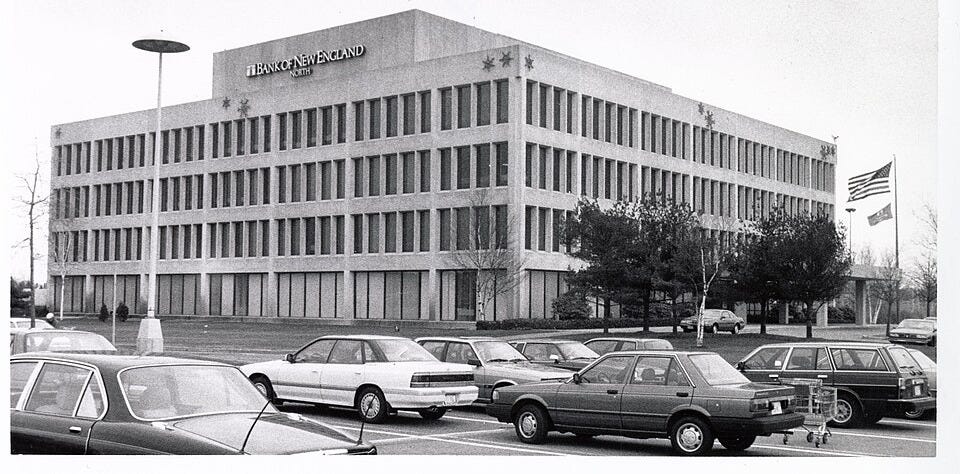
Regulators seized Bank of New England, one of the largest bank failures of its time, after mounting loan losses crippled the institution. Aggressive lending and weak oversight left the bank exposed when the economy turned.
Lyondell Chemical — Bankruptcy (2009)
Lyondell Chemical Co. and several affiliates filed bankruptcy under a mountain of debt from a leveraged buyout. A heavily leveraged deal left the company exposed and when the downturn hit, the balance sheet buckled.
Jan. 7
Satyam Computer Services — Accounting Scandal (2009)
B. Ramalinga Raju resigned from Satyam Computer Services and confessed to inflating cash balances and falsifying accounts by more than $1.5 billion, or roughly 7,000 crore rupees. The massive fraud earned the company the nickname “India’s Enron.”
Boeing — Criminal Charges (2021)
Boeing was charged with conspiracy to defraud regulators over two deadly 737 MAX crashed and entered a deferred prosecution agreement with more than $2.5 billion in penalties and compensation. The charge was dismissed in November 2025 under the Trump administration. Read More: Felons Fly Free (Business Blunders)
Ted Farnsworth — Guilty Plea (2025)
Ted Farnsworth, former CEO of MoviePass parent Helios and Matheson Analytics, pleaded guilty to securities fraud for misleading investors about the company’s finances and business prospects. MoviePass grew wildly with an irresistible subscription service for moviegoers. For less than $10 a month, they got a ticket to see a movie a day. Too good to be true? Yes, it was. Read More: Ted Farnsworth – Movie Pass (Business Blunders Hall Of Shame)
Jan. 8
Pan Am — Bankruptcy (1991)
Pan American World Airways filed bankruptcy as losses mounted and its survival prospects dimmed. The once-iconic airline never recovered, shutting down later that year.
Bear Stearns — CEO Resignation (2008)
James Cayne resigned as CEO of Bear Stearns after massive losses on mortgage-backed securities pushed the firm into crisis. A heavy bet on subprime lending unraveled, foreshadowing the bank’s collapse just months later.
Jan. 9
Kidder, Peabody & Co. — Fraud Charges (1996)
The Securities and Exchange Commission filed charges against Joseph Jett for generating $340 million in phony profits at Kidder, Peabody & Co. through fraudulent trading. He was later barred from the securities industry, though no criminal charges were filed.
U.S. Economy — Job Loss (2009)
The U.S. Department of Labor reported that the nation lost about 1.9 million jobs in the last four months of 2008, the worst annual decline in decades. Companies slashed payrolls as the financial crisis rippled through the economy.
Jan. 10
AOL / Time Warner — Acquisition Blunder (2000)
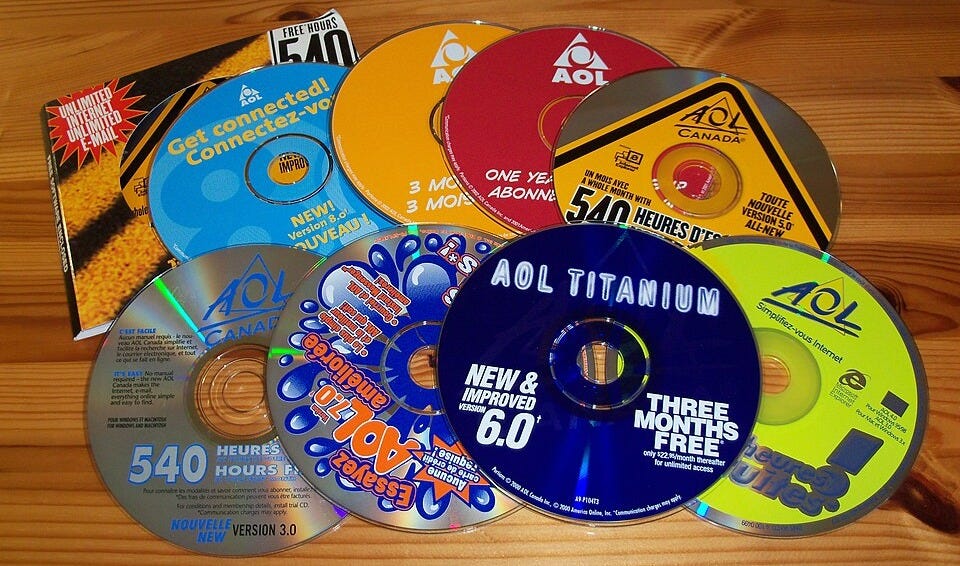
America Online and Time Warner announced a $182 billion deal, forming AOL Time Warner in the largest merger in corporate history at the time. The blockbuster bet on internet hype over old media synergies became one of the worst deals in M&A history.
Target — Data Breach (2014)
Target revealed its holiday data breach was far worse than first reported, exposing the personal information of up to 70 million customers. The company said names, addresses, phone numbers, and email addresses were taken, dramatically expanding the scope of one of the largest retail hacks in U.S. history.
Jan. 11
Volkswagen — Guilty Plea (2017)
Volkswagen agreed to plead guilty and pay $4.3 billion in criminal and civil penalties in the U.S. diesel-emissions fraud case. The company rigged millions of cars to cheat emissions tests—turning “clean diesel” into one of the biggest corporate frauds in automotive history. Read More: The Outrageous Acts Of Criminally Charged Corporations (Blunder Lists)
eBay — Criminal Settlement (2024)
eBay Inc. agreed to pay a $3 million criminal penalty in connection with a corporate cyberstalking campaign carried out by its employees against critics. Executives tried to silence a newsletter with harassment and intimidation, turning a PR problem into a criminal case. Read More: The Outrageous Acts Of Criminally Charged Corporations (Blunder Lists)
Jan. 12
Alcoa — Financial Loss (2009)
Alcoa reported a then-staggering $1.2 billion quarterly loss, an early warning of how badly industrial giants had misjudged demand during the financial crisis. Orders collapsed, prices plunged, and the downturn hit faster than companies expected.
STG Logistics — Bankruptcy (2026)
STG Logistics filed bankruptcy after debt and operational issues drained its liquidity. A leveraged balance sheet and execution problems left the freight hauler short of cash.
Jan. 13
Takata — Guilty Plea (2017)
Takata agreed to plead guilty to wire fraud and pay $1 billion in criminal penalties for concealing defects in its airbag inflators. Faulty airbags tied to dozens of deaths became one of the largest safety recalls in automotive history. Read More: The Outrageous Acts Of Criminally Charged Corporations (Blunder Lists)
Jan. 14
Enron — Guilty Plea (2004)
Enron’s former chief financial officer Andrew Fastow, pleaded guilty to conspiracy and securities fraud. He agreed to cooperate with prosecutors, forfeit more than $23 million, and serve a 10-year sentence for his role in the scheme. Read More: Enron Was A Parody Of Itself (Business Blunders)
Saks Global — Bankruptcy (2026)
Saks Global filed bankruptcy as heavy debt and weak performance strained the business. A highly leveraged bet on iconic luxury retailers unraveled as department stores lost their appeal. Read More: Sacking Saks (Business Blunders)
Jan. 15
Federated Department Stores — Bankruptcy (1990)
Federated Department Stores filed bankruptcy, one of the largest retail failures in U.S. history at the time. Canadian real estate developer Robert Campeau buried the retailer with debt with his leveraged buyouts. The debt-fueled takeover spree left the retailer unable to pay its bills when the economy turned.
Google — Product Failure (2015)

Google halted consumer sales of Google Glass after privacy concerns, high costs, and weak demand sank the high-profile gadget. A hyped wearable flopped as privacy fears and limited use turned early adopters into skeptics. Read More: The Biggest Business Blunders Of All Time (Blunder Lists)
Joann Inc. — Bankruptcy (2025)
Joann Inc. filed bankruptcy for the second time in a year. A brief trip through bankruptcy wasn’t enough for the fabric and crafts retailer. Weak sales and heavy debt dragged the retailer back under.
Jan. 16
Bank of America — Bailout (2009)
The Treasury announced it would invest an additional $20 billion in Bank of America as losses tied to the Merrill Lynch acquisition mounted during the financial crisis. A rushed deal saddled the bank with toxic assets, forcing taxpayers to step in and stabilize the damage.
Circuit City — Shutdown (2009)
Circuit City announced it would liquidate and close all 567 U.S. stores. The big-box pioneer failed to keep pace with rivals and changing consumer habits, turning a once-dominant chain into a retail casualty.
Jan. 17
Party City — Bankruptcy (2023)
Party City filed its first bankruptcy and began closing hundreds for corporately owned stores. The retailer was already buried in debt as the Covid-19 pandemic ended most festivities.
Jan. 18
Eastern Air Lines — Shutdown (1991)
Eastern Air Lines shut down after 64 years of service following a prolonged bankruptcy. Labor strife, heavy debt, and mismanagement grounded one of America’s largest airlines for good.
Jack in the Box — Fast Food Disaster (1993)
An E. Coli outbreak was traced to undercooked hamburgers at Jack In The Box. Hundreds were sickened. Four died. Sweeping fast-food industry changes followed.
Pets.com — Shutdown (2001)
Pets.com completed its liquidation after burning through cash just months after its initial public stock offering. The company spent heavily on marketing and sold pet supplies at a loss, becoming a symbol of dot-com excess when the business model never added up.
HSBC — Settlement (2020)
HSBC Holdings agreed to pay more than $100 million to resolve fraud charges over a scheme to manipulate foreign exchange trades for its own benefit. The bank used inside knowledge of client trades to tilt the market in its favor. Read More: The Outrageous Acts Of Criminally Charged Corporations (Blunder Lists)
Jan. 19
Eastman Kodak — Bankruptcy (2012)
Eastman Kodak filed bankruptcy after failing to pivot from film to digital photography. The company had invented the digital camera, but couldn’t give up on its Kodachrome, falling behind as technology moved on. Read More: The Biggest Business Blunders Of All Time (Blunder Lists)
Megaupload — Shutdown (2012)
U.S. authorities shut down Megaupload after its leaders, including Kim Dotcom, were indicted on charges of widespread copyright infringement. The wildly popular site built a business on pirated content until the government pulled the plug.
Jan. 20
Marc Rich — Legal Action (2001)
President Bill Clinton pardoned former Glencore CEO Marc Rich, who violated U.S. trade sanctions, evaded taxes and lived in Switzerland as a fugitive for 18 years. Read More: Marc Rich – Glencore (Business Blunders Hall Of Shame)
Heartland Payment Systems — Breach (2009)
Heartland Payment Systems disclosed one of the largest data breaches at the time, exposing millions of credit card numbers. The stolen data fueled widespread fraud and highlighted systemic vulnerabilities in payment processing.
Jan. 21
General Motors — Market Loss (2009)
General Motors officially lost its the title as the world’s largest automaker to Toyota, after years of market share decline and mismanagement. GM announced worldwide sales of 8.36 million cars and trucks in 2008 compared with Toyota’s 8.97 million vehicle sales that same year.
Jan. 22
Kmart — Bankruptcy (2002)
Kmart filed bankruptcy as it suffered high debt, poor holiday sales and competitive pressures from Target and Walmart. It then the largest retail bankruptcy in U.S. history.
Research In Motion — CEO Resignation (2012)
Mike Lazaridis stepped down as co-CEO of Research In Motion, the maker of BlackBerry, as its smartphone dominance eroded. A pioneer of the mobile era failed to keep up with the touchscreen revolution and lost its lead.
Jan. 23
Serta Simmons Bedding — Bankruptcy (2023)
Serta Simmons Bedding filed bankruptcy, saddled with billons in debt from a 2016 private-equity buyout.
Jan. 24
Société Générale — Fraud Discovery (2008)
French banking giant Société Générale accused a junior employee, Jerome Kerviel, of the biggest rogue trader scandal in history hit, a fraud costing $7 billion.
Jan. 25
J. Clifford Baxter — Death (2002)
Enron executive J. Clifford Baxter took his own life after agreeing to testify before Congress.
JCPenney — Product Failure (2012)
JC Penney unveiled a sweeping “transformation” under CEO Ron Johnson, the former Apple retail chief. He scrapped coupons and sales for everyday low pricing and launched a boutique-style store overhaul. The moves alienating core customers, crushing sales, and triggering one of retail’s most infamous retail blunders ever. Read More: The Biggest Business Blunders Of All Time (Blunder Lists)
Albert Dunlap — Executive Death (2019)
Albert J. Dunlap, the hard-charging CEO known as “Chainsaw Al,” died at 81. He built a reputation on mass layoffs and cost-cutting, then left behind a legacy tarnished by accounting scandal and a massive shareholder settlement after the collapse of Sunbeam.
Jan. 26
Bed Bath & Beyond — Financial Distress (2023)
Bed Bath & Beyond announced that banks had cut its credit line following too many over-advances, a critical blow that accelerated the retail chain’s collapse.
Jan. 27
GameStop — Market Spike (2021)
GameStop hit its highest closing price, soaring about 1,940% from the beginning of that month. Today, the meme stock is still down to a fraction of its peak.
Jan. 28
Global Crossing — Bankruptcy (2002)
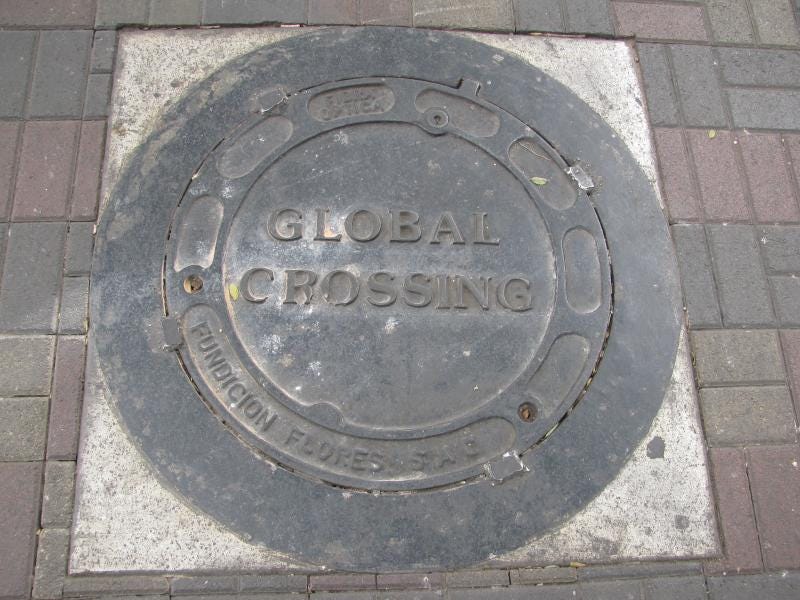
Global Crossing filed what was then the fourth-largest bankruptcy in U.S. history and the largest-ever in the telecommunications sector. Read More: A Dead Billionaire Defaults (Business Blunders)
Fortune Hi-Tech Marketing — FTC Shutdown (2013)
The Federal Trade Commission and multiple state regulators shut down Fortune Hi-Tech Marketing, alleging the company operated an illegal pyramid scheme disguised as a telecom and utility marketing business. Regulators said participants were paid mainly for recruiting new members rather than selling actual services. More than 100,000 consumers were pulled into the scheme.
Huawei Vs. T-Mobile – Intellectual Property Case (2019)
Federal prosecutors unsealed an indictment accusing Huawei of conspiring to steal trade secrets from T-Mobile involving “Tappy,” a robotic device used to test smartphone durability and performance. Prosecutors alleged Huawei employees secretly photographed, measured and attempted to remove parts of the robot while violating confidentiality agreements with the wireless carrier. In a related civil case, a Seattle jury found Huawei had misappropriated trade-secret-related information and awarded T-Mobile $4.8 million in damages, though the jury stopped short of finding willful and malicious theft.
Jan. 29
American International Group — Settlement (2008)
Greg Abbott, then Texas Attorney General, announced a settlement with American International Group over bid-rigging allegations. The insurer steered business through sham bids to create the illusion of competition—undermining a market built on trust.
BP — Criminal Settlement (2013)
BP Exploration and Production Inc. pleaded guilty and was sentenced to pay $4 billion in criminal fines and penalties for its 2010 Deepwater Horizon disaster. Read More: The Biggest Business Blunders Of All Time (Blunder Lists)
Pacific Gas & Electric — Bankruptcy (2019)
Pacific Gas & Electric Co. filed bankruptcy after amassing liabilities from a series of catastrophic wildfires in 2017 and 2018. Read More: The Outrageous Acts Of Criminally Charged Corporations (Blunder Lists)
Jan. 30
American Freedom Mortgage — Bankruptcy (2007)
Subprime mortgage lender American Freedom Mortgage filed bankruptcy, an early warning sign in the subprime mortgage crisis that led to the nations’ economic collapse in 2008.
Metropolitan Capital Bank & Trust — Collapse (2026)
Metropolitan Capital Bank & Trust became the first U.S. bank failure of the year when Illinois regulators closed it over unsafe and unsound conditions and an impaired capital position. The Chicago bank had about $261.1 million in assets.
Jan. 31
Trans World Airlines — Bankruptcy (1992)
Trans World Airlines filed bankruptcy after years of financial mismanagement, debt problems, and controversial asset sales under corporate raider Carl Icahn.
Russell Wasendorf Sr. — Fraud Sentencing (2013)
Russell Wasendorf Sr., founder of Peregrine Financial Group, was sentenced to 50 years in prison after pleading guilty to embezzling more than $215 million from clients over two decades. A 20-year fraud built on fake bank records collapsed—costing clients hundreds of millions.