

This archive tracks major business blunders that occurred on each day in November, from historic corporate collapses to modern fraud cases and executive failures.
Nov. 1
Iridium — Collapse (1998)
Motorola-backed Iridium launched a $5 billion satellite phone service, but bulky devices and high costs crushed demand. The company filed bankruptcy less than a year later, capping one of the most spectacular telecom flops of the 1990s.
CIT Group — Bankruptcy (2009)
CIT Group filed bankruptcy after a liquidity crisis cut off funding to one of the nation’s largest small-business lenders. The collapse marked one of the biggest bankruptcies of the financial crisis era and left thousands of businesses scrambling for credit.
Barclays — CEO Resignation (2021)
CEO Jes Staley resigned after U.K. regulators found his ties to Jeffrey Epstein were more extensive than disclosed.
Nov. 2
Ed Mattar – Suicide (2007)
The owner of the failed BestBank of Boulder jumped to his death from a 27th story downtown Denver hotel just hours before his sentencing on bank-fraud charges. Mattar built the bank by issuing subprime credit cards and offering some of the highest CD rates in the country. He and his bank president paid themselves $9 million in bonuses before it collapsed. The debacle saddled depositors and the Federal Deposit Insurance Corp. with hundreds of millions in losses. Read More: Ed Mattar– BestBank of Boulder (Business Blunders Hall Of Shame)
Trump Plaza Hotel — Bankruptcy (1992)
Donald Trumps’ Plaza Operating Partners filed bankruptcy after Donald Trump loaded the iconic Plaza Hotel with debt in a record-priced takeover. The hotel couldn’t generate enough cash to cover the financing, turning a trophy asset into a sinkhole.
Quaker Oats — Acquisition Blunder (1994)
Quaker Oats announced plans to acquire Snapple Beverage in a $1.7 billion deal that would become one of the most notorious brand misfires of the decade. Quaker overpaid and mishandled distribution, unloading Snapple just 27 months later at a steep loss. Read More: The Biggest Business Blunders Of All Time (Blunder Lists)
Nov. 3
McDonald's — CEO Firing (2019)
McDonald’s fired its CEO Steve Easterbrook for engaging in a consensual relationship with an employee. The ouster ended his tenure atop one of the world’s largest restaurant chains and later led to a clawback of tens of millions in compensation. Read More: Lost In Love (Blunder Lists)
Nov. 4
SAC Capital — Insider Trading Guilty Plea (2013)
SAC Capital Advisors agreed to plead guilty to insider trading and pay a record $1.8 billion penalty to resolve criminal charges brought by federal prosecutors. The case exposed widespread illegal trading inside one of Wall Street’s most successful hedge funds and forced it to shut down outside investor operations.
Nov. 5
Robert Maxwell — Fraud Scandal (1991)
Robert Maxwell, a British media baron, reputed intelligence asset, and father of Ghislaine Maxwell, was found dead after falling from his yacht near the Canary Islands. Within days, it emerged he had looted hundreds of millions from employee pension funds to prop up his crumbling empire. Read More: Robert Maxwell – Mirror Group Newspapers (Business Blunders Hall Of Shame)
Nov. 6
IBM — Strategic Deal Blunder (1980)
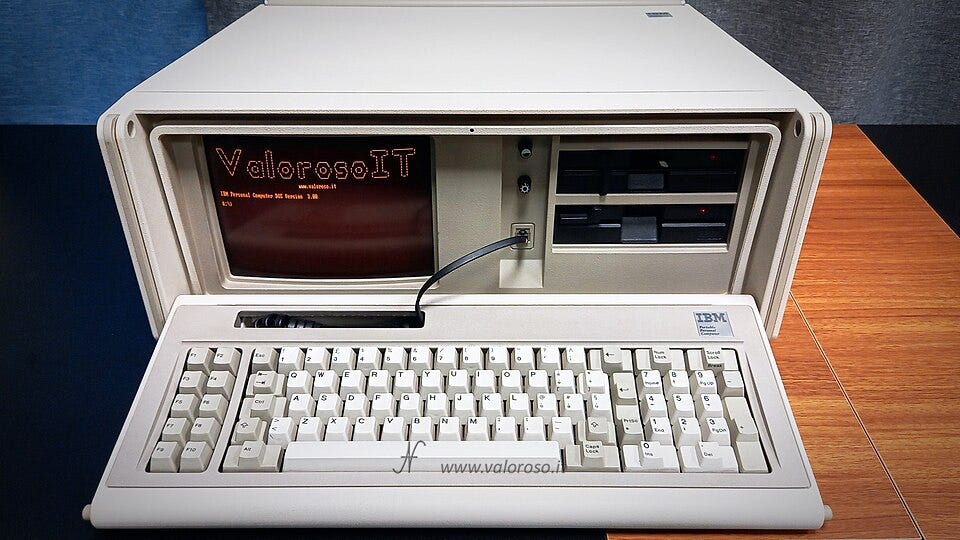
IBM adopted Microsoft’s operating system for its new personal computer while allowing Bill Gates to retain the rights to license it to others. The decision ceded control of the software business to a supplier that went on to become the most powerful company in tech. Read More: The Biggest Business Blunders Of All Time (Blunder Lists)
WeWork — Bankruptcy (2023)
WeWork filed bankruptcy after a failed internet public stock offering, massive losses, and a business model built on long-term leases for short-term tenants. Once valued at $47 billion, the company’s rapid rise and collapse became yet another cautionary tale of hype outpacing reality. Read More: The Biggest Business Blunders Of All Time (Blunder Lists)
Nov. 7
Nicholas Mitsakos — Fraud Sentencing (2017)
Nicholas Mitsakos, chairman of the purported hedge fund Matrix Capital, was sentenced to two and a half years in prison for conspiring to commit securities and wire fraud. Prosecutors said he misled investors about the fund’s strategy and performance.
Nov. 8
Olympus — Accounting Scandal (2011)
Olympus admitted it had concealed investment losses for years through a series of opaque acquisitions and advisory fees, confirming a massive accounting cover-up. The scheme, which was exposed after CEO Michael Woodford was abruptly fired for sounding the alarm, hid more than $1.7 billion in losses and became one of Japan’s biggest corporate frauds.
Blessings In No Time — Fraud Charges (2023)
Federal prosecutors charged LaShonda Moore and Marlon Moore for allegedly running the “Blessings In No Time” pyramid scheme, which authorities say defrauded thousands of victims of more than $10 million. Prosecutors said the scheme, promoted through church networks,” used cryptocurrency and recruitment-driven payouts to mask a classic fraud.
Nov. 9
Boston Chicken — IPO (1993)
Boston Chicken debuted on the Nasdaq, soaring about 140% on its first day as investors piled into one of the decade’s hottest restaurant initial public stock offerings. Rapid expansion and a flawed franchise financing model later unraveled, and the company filed for bankruptcy on Oct. 5, 1998.
Nov. 10
Refco — Fraud Charges (2005)
Federal prosecutors indicted Phillip Bennett, the former CEO of one of the world’s largest commodities and derivatives brokers, on fraud charges after he allegedly hid hundreds of millions in bad debts from investors. The $2.4. billion scheme collapsed just weeks after Refco’s initial public stock offerng, triggering one of the most stunning corporate implosions of the era. He was later sentenced to 16 years in prison.
Circuit City — Bankruptcy (2008)
Circuit City filed bankruptcy as falling sales and mounting losses overwhelmed the once-dominant electronics retailer. The filing marked the beginning of the end for a chain that would liquidate and shut down stores nationwide within months.
Nov. 11
FTX — Collapse (2022)
FTX filed bankruptcy as a liquidity crisis exposed a massive shortfall in customer funds and ties to its affiliated trading firm, Alameda Research. The collapse wiped out billions and triggered fraud charges against founder Sam Bankman-Fried, marking one of the most dramatic failures in crypto history. Read More: Sam Bankman-Fried – FTX (Business Blunders Hall Of Shame)
Nov. 12
Thomas Salzano — Fraud Sentencing (2024)
The former head of National Realty Investment Advisors, was sentenced to 12 years in federal prison for orchestrating a $658 million Ponzi scheme and a tax evasion conspiracy. Prosecutors said Thomas Nicholas Salzano misused investor funds and fabricated performance to sustain the fraud. Read More: 15 Tales Of Lost Ponzi Riches (Blunder Lists)
Nov. 13
Kerr-McGee — Safety Scandal (1974)
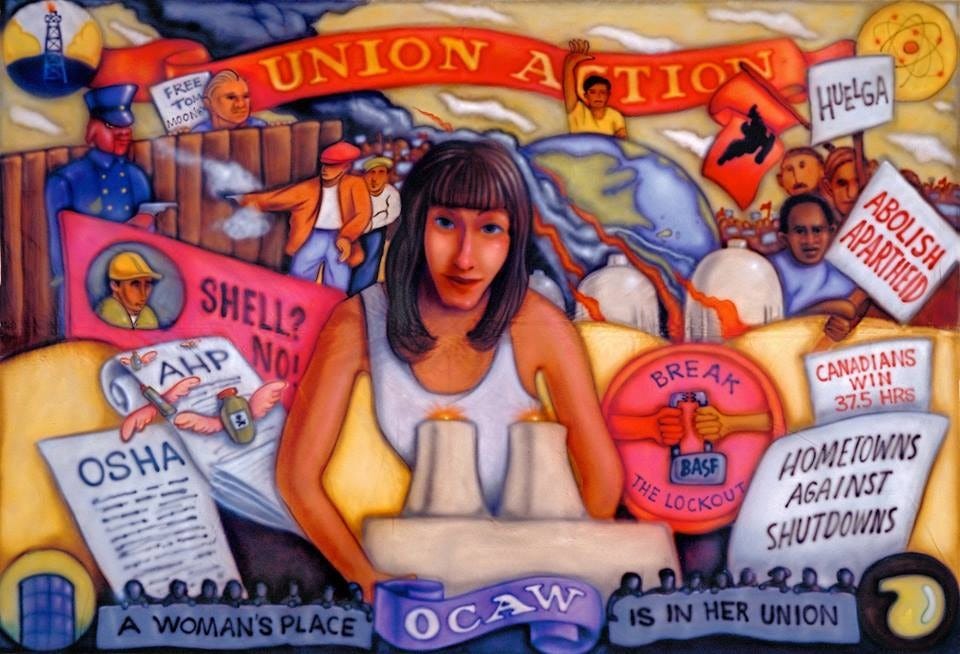
Karen Silkwood, a technician at Kerr-McGee and union activist, died in a mysterious car crash while en route to meet a reporter with documents showing safety violations at a nuclear facility. Her death, and evidence of plutonium contamination, sparked national outrage and became a landmark case highlighting corporate negligence and workers’ rights.
Nov. 14
Ivan Boesky — Insider Trading Charges (1986)
The Securities and Exchange Commission and federal prosecutors announced insider trading charges against arbitrageur Ivan Boesky, exposing a vast network of illegal trading on Wall Street. Boesky later agreed to pay a then-record $100 million penalty and cooperated with authorities, helping unravel one of the biggest insider trading scandals of the era. Read More: Ivan Boesky – Wall Street trader (Business Blunders Hall Of Shame)
Microsoft — Product Failure (2006)
Microsoft launched the Zune media player in a bid to challenge the iPod from Apple. Late to the market and lacking a clear edge, the device failed to gain traction, becoming a costly reminder that even tech giants can miss cultural moments.
Qualcomm — Fraud Scheme (2023)
Karim Arabi, a former executive at Qualcomm, was sentenced to prison for orchestrating a $180 million fraud scheme. Prosecutors said he secretly directed a Qualcomm project to a company he controlled, then concealed his ownership to collect millions in payments. He was sentenced in 2025 to four years in prison.
Nov. 15
Kmart — Settlement (2005)
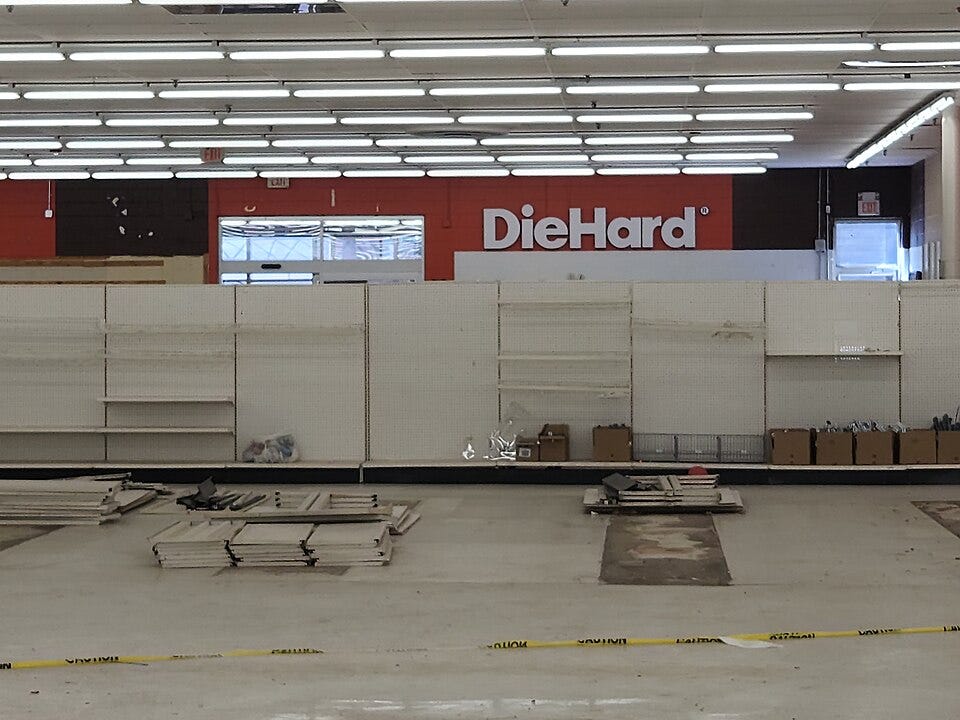
Charles C. Conaway, former CEO of Kmart, agreed to pay $5.5 million to settle an Securities and Exchange Commission case alleging he misled investors about the company’s financial condition ahead of its bankruptcy.
Ticketmaster — System Collapse (2022)
Ticketmaster’s presale for Taylor Swift’s Eras Tour collapsed under demand, locking out millions of fans and triggering a public backlash. Ticketmaster canceled the general sale days later, faced congressional scrutiny, and became the focus of federal antitrust investigations. Read More: Ticketbastard (Business Blunders)
Nov. 16
Hostess Brands — Liquidation (2012)
Hostess Brands, maker of Twinkies and Wonder Bread, announced it would shut down and liquidate after a nationwide strike by the Bakery, Tobacco, Food Workers and Grain Millers International Union crippled operations. The collapse put more than 18,900 employees out of work and briefly wiped its iconic snacks from store shelves before the brands were later revived under new ownership.
Nov. 17
JPMorgan Chase — Settlement (2016)
JPMorgan Chase agreed to pay $72 million to U.S. regulators to settle charges that its Hong Kong investment banking unit ran a corrupt hiring scheme in China, offering jobs to relatives of government officials to win business. The case exposed how “princeling” hires became a conduit for bribery in global finance.
Wells Fargo — Executive Firing (2017)
Wells Fargo fired Franklin Codel, head of consumer lending, after he made inappropriate comments about a regulator. The dismissal came as the bank was already under intense scrutiny for misconduct scandals, underscoring a culture that continued to clash with oversight.
OpenAI — CEO Ouster (2023)
OpenAI’s board abruptly ousted CEO Sam Altman, citing a lack of candor in his communications. The move blindsided employees and key partner Microsoft, triggering a revolt inside the company and widespread backlash across the tech industry. Within five days, Altman was reinstated and the board members behind the decision were pushed out.
Nov. 18
Mario Biaggi — Bribery Sentencing (1988)
Mario Biaggi, a Democratic New York congressman, was sentenced to eight years in prison for his role in the Wedtech scandal, a bribery scheme in which the defense contractor used stock and political influence to win government contracts.
Elizabeth Holmes — Fraud Sentencing (2022)
Elizabeth Holmes, founder of Theranos, was sentenced to more than 11 years in prison for defrauding investors about the company’s blood-testing technology. Once valued at $9 billion, Theranos became one of Silicon Valley’s most infamous frauds. Read More: ElizabethHolmes – Theranos (Business Blunders Hall Of Shame)
Nov. 19
Ford — Product Failure (1959)

Ford discontinued the Edsel, ending one of the most infamous product failures in automotive history. Plagued by confusing branding, design misfires, and a weak market fit, the Edsel became a costly symbol of corporate overreach and marketing hubris. Read More: The Biggest Business Blunders Of All Time (Blunder Lists)
Allied Crude — Fraud Scandal (1963)
Allied Crude Vegetable Oil Refining Corp. filed for bankruptcy after a massive fraud in which storage tanks supposedly filled with valuable vegetable oil were largely water. The “salad oil swindle” duped major lenders and traders, exposing glaring failures in basic verification. Read More: Tino De Angelis – Allied Crude Vegetable Oil (Business Blunders Hall Of Shame)
Texaco — Legal Judgment (1985)
A Texas jury awarded Pennzoil a record $10.5 billion verdict against Texaco for interfering with its agreement to acquire Getty Oil. The judgement – one of the largest in U.S. history at the time – pushed Texaco into bankruptcy and became a landmark case in corporate dealmaking gone wrong.
JPMorgan Chase — Settlement (2013)
The Department of Justice announced a record $13 billion settlement with JPMorgan Chase – the largest settlement with a single entity in American history – over the packaging and sale of toxic mortgage-backed securities in the run-up to the financial crisis. The deal resolved federal and state civil claims tied to conduct at JPMorgan, as well as firms it acquired, including Bear Stearns and Washington Mutual, for misleading investors about the quality of underlying loans.
Nov. 20
Texaco — Industrial Disaster (1980)
A drilling rig operated by Texaco accidentally hit a salt mine beneath Louisiana’s Lake Peigneur, triggering a massive whirlpool that drained the freshwater lake and flooded the mine. The disaster ultimately reversed the lake’s flow and turned it into a saltwater body, one of the most dramatic industrial accidents of its kind.
Nissan Motor Co. — Executive Arrest (2018)
Carlos Ghosn, chairman of Nissan Motor Co. and a top executive at Renault, was arrested in Japan on charges of financial misconduct, triggering his swift removal from leadership roles. The scandal upended one of the auto industry’s most powerful alliances, and took a surreal turn when Ghosn later jumped bail and fled Japan, ultimately resurfacing in Lebanon after a clandestine escape. Read More: Back In The Box (Business Blunders)
November 21
Freddie Mac — Accounting Scandal (2003)
The government-sponsored mortgage giant, disclosed it had inflated earnings for 2001 by about $1 billion, marking a key moment in its escalating accounting scandal. Freddie Mac’s revelation exposed serious controls failures at one of the country’s most important housing finance institutions.
Trump Hotels & Casino Resorts — Bankruptcy (2004)
OTrump Hotels & Casino Resorts and subsidiaries filed bankruptcy in New Jersey, burdened by $1.8 billion in debt and declining casino revenues. The restructuring marked one of multiple bankruptcies tied to Donald Trump’s Atlantic City ventures.
Guitar Center — Bankruptcy (2020)
The largest musical instruments retailer in the US filed bankruptcy. Already struggling against $1.3B in debt and online competition before the pandemic, Guitar Center was unable to overcome the loss in revenue related to Covid-19-related store closures.
Nov. 22
Merck — Regulatory Settlement (2011)
Merck agreed to pay $950 million to resolve criminal and civil charges over the illegal marketing of its painkiller Vioxx. The case stemmed from efforts to promote the drug despite known safety risks, marking one of the largest pharmaceutical settlements of its time.
General Electric — Investor Settlement (2024)
General Electric agreed to pay $362.5 million to settle a shareholder class action alleging it misled investors about the strength of its power division. The case stemmed from disclosures that wiped out billions in market value and highlighted the risks of overly optimistic corporate forecasts.
Nov. 23
Tobacco Industry — Legal Settlement (1998)
The largest U.S. tobacco companies and 46 states entered into the Tobacco Master Settlement Agreement, imposing sweeping advertising restrictions and requiring more than $200 billion in payments over time. The deal marked a landmark reckoning for the industry’s deceptive marketing and health claims.
Citigroup — Government Bailout (2008)
The Treasury, Federal Reserve and Federal Deposit Insurance Corp. announced a rescue package for Citigroup, which included a $20 billion capital injection from the Treasury under the Troubled Asset Relief Program. The extraordinary intervention underscored the scale of the financial crisis and the risks posed by one of the world’s largest banks.
Nov. 24
Sony Pictures Entertainment — Massive Hack (2014)
Sony Pictures suffered a devastating cyberattack that leaked unreleased films, executive emails, employee records and confidential corporate data while crippling company operations. U.S. officials later linked the attack to North Korean hackers angered by The Interview, a comedy depicting the assassination of Kim Jong Un.
Purdue Pharma — Guilty Plea (2020)
Purdue Pharma pleaded guilty to fraud and kickback conspiracies related to its marketing of opioid painkillers. Federal prosecutors accused the company of misleading regulators and fueling the opioid crisis, resulting in billions in penalties and one of the most consequential corporate resolutions in U.S. history.
CyberNET Engineering — Fraud Collapse (2004)
Barton H. Watson, founder of CyberNET Engineering, took his own life as federal investigators closed in on a fraud scheme that left the company with nearly $100 million in debt. The case exposed financial misconduct inside a government contractor and ended in a sudden, tragic collapse.
Nov. 25
Macy’s — Internal Control Failure (2024)
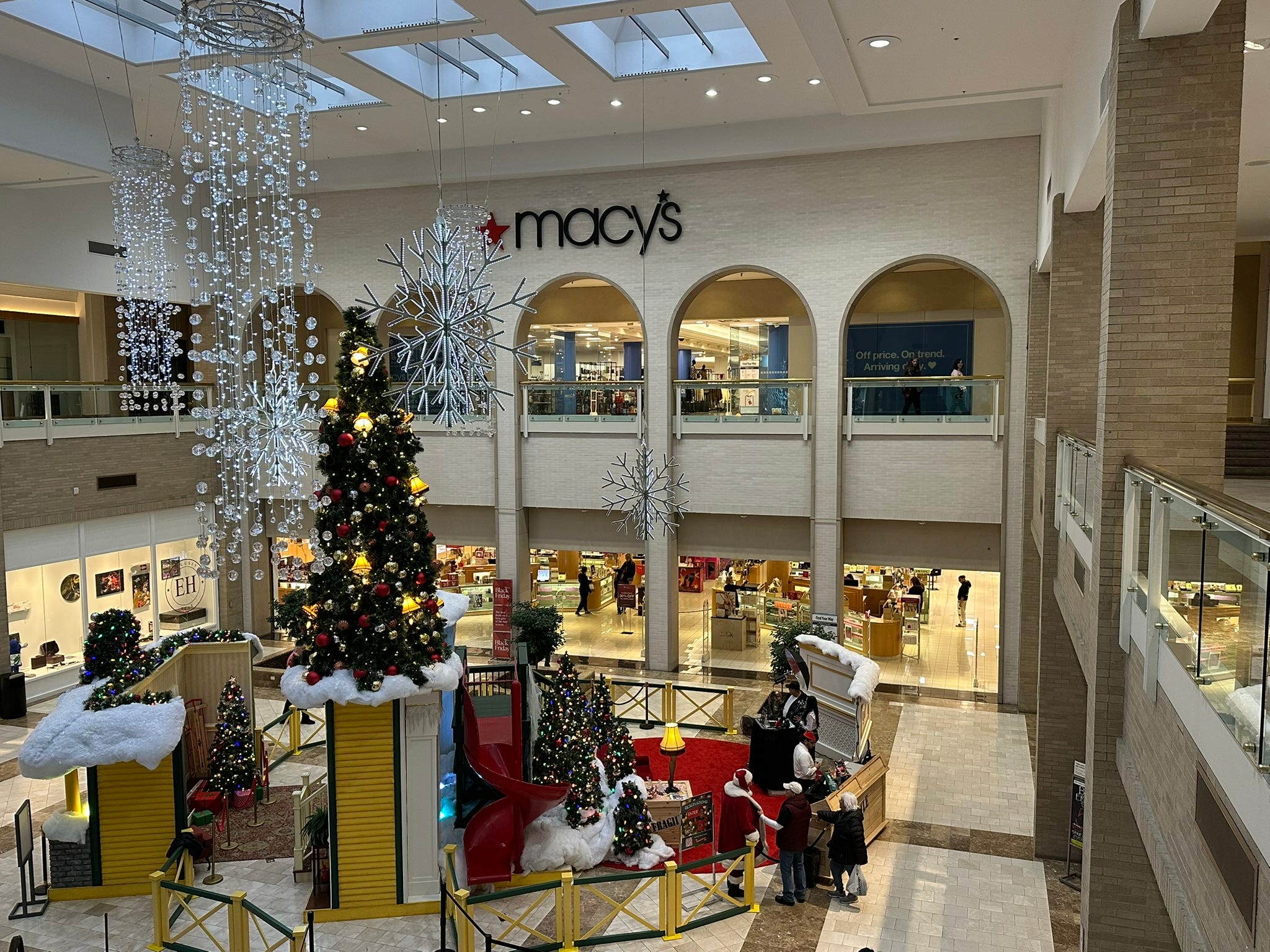
Macy’s revealed that an internal investigation uncovered $132 million to $154 million in delivery expenses that had been intentionally concealed by a single employee. The disclosure exposed a significant breakdown in internal controls at one of the country’s largest retailers. Read More: Big Blunders Come In Small Packages (Business Blunders)
Nov. 26
Bank of America — Acquisition Fallout (2008)
The Federal Reserve approved Bank of America’s acquisition of Merrill Lynch, a crisis-era deal that soon saddled the bank with massive losses and government support.
Nov. 27
Silverado Savings & Loan — Fraud Sentencing (1992)
W. James Metz, former owner of Silverado Savings and Loan, was sentenced toprison for looting the institution during the savings and loan crisis. He only had to serve six months. The case highlighted the excesses and fraud that helped fuel one of the costliest banking collapses in U.S. history. Read More: Michael Wise – Silverado Savings & Loan (Business Blunders Hall Of Shame)
GigaTrust — Bankruptcy (2019)
GigaTrust filed bankruptcy after financial problems tied to a $50 million fraud scheme involving its former chief financial officer. Its CFO admitted diverting company funds and falsifying records to conceal the theft. The collapse showed how internal misconduct can sink even companies built around security.
Nov. 28
Chiquita Brands International filed bankruptcy as part of a pre-arranged plan to restructure more than $700 million in debt. The company’s financial strain was driven in part by European Union trade restrictions that eroded its market share. It emerged from bankruptcy less than four months later.
Nov. 29
AMR Corp. — Bankruptcy (2011)
The parent of American Airlines, filed bankruptcy protection as rising costs and intense competition battered the carrier. AMR’s restructuring marked a major turning point for one of the nation’s largest airlines.
NBC News — Anchor Firing (2017)
NBC News fired longtime anchor Matt Lauer following a complaint of sexual misconduct, abruptly ending one of the most prominent careers in broadcast journalism.
Nov. 30
World Trade Organization — Summit Collapse (1999)
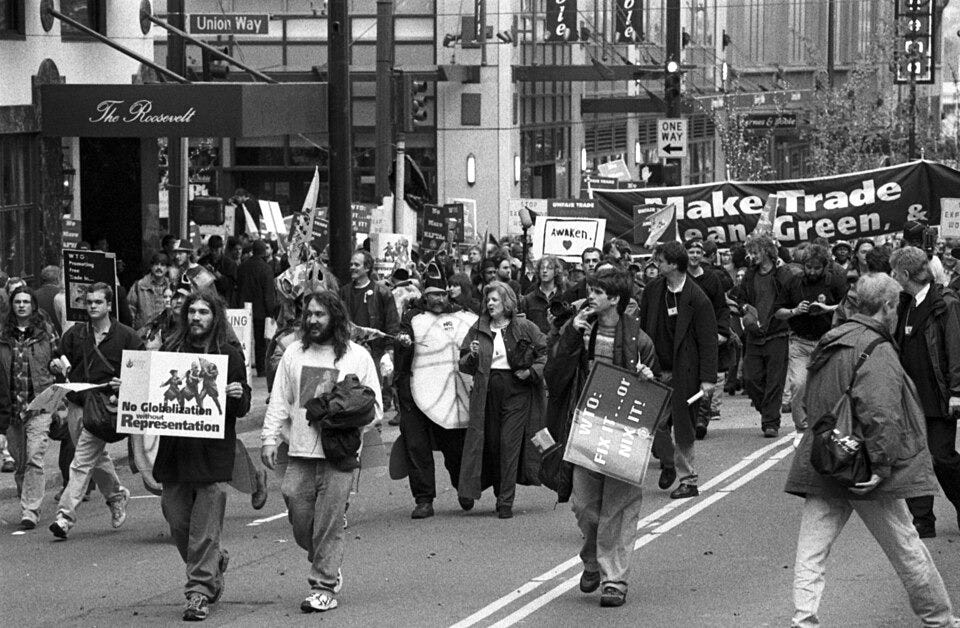
A massive anti-globalization protests disrupted the World Trade Organization ministerial meeting in Seattle, forcing the cancellation of opening ceremonies and halting negotiations. The unrest exposed a growing backlash against globalization.
Reverse Mortgage Investment Trust — Bankruptcy (2022)
Reverse Mortgage Investment Trust filed bankruptcy after extreme volatility in the fixed-income and mortgage markets upended its business. The company listed roughly $10 billion in assets and liabilities, underscoring how rapidly rising interest rates can destabilize highly leveraged mortgage firms.