

This archive tracks major business blunders that occurred on each day in December, from historic corporate collapses to modern fraud cases and executive failures.
Dec. 1
Better.com — Mass Layoff Backlash (2021)
CEO Vishal Garg fired 900 employees in a three-minute Zoom call, telling them, “If you’re on this call, you are part of the unlucky group.” The abrupt, impersonal move, just weeks before Christmas, sparked widespread outrage and became a case study in how not to handle mass layoffs.
Dec. 2
Barings Bank — Sentencing (1995)
Nick Leeson was sentenced in Singapore to six and a half years in prison for unauthorized trading that led to the collapse of Barings Bank. His hidden losses of more than $1 billion wiped out the 233-year-old institution in one of the most infamous trading scandals in history. Read More: Nick Leeson – Barings Bank (Business Blunders Hall Of Shame)
Enron — Bankruptcy Filing (2001)
The energy giant filed bankruptcy after an accounting scandal revealed billions in hidden debt and inflated profits. The collapse of what had been one of America’s largest companies becoming a defining corporate fraud of its era. Read More: Enron Was A Parody Of Itself (Business Blunders)
Alex Jones — Bankruptcy Filing (2022)
Alex Jones filed personal bankruptcy after s court ordered him to pay r$1.5 billion in damages for defaming families of victims of the Sandy Hook Elementary School shooting. The filing followed one of the largest defamation judgments in U.S. history.
Dec. 3
Union Carbide — Industrial Disaster (1984)
A toxic gas leak at a pesticide plant in Bhopal killed thousands and injured hundreds of thousands, becoming one of the worst industrial catastrophes in history.
Dec. 4
Pan Am — Shutdown (1991)
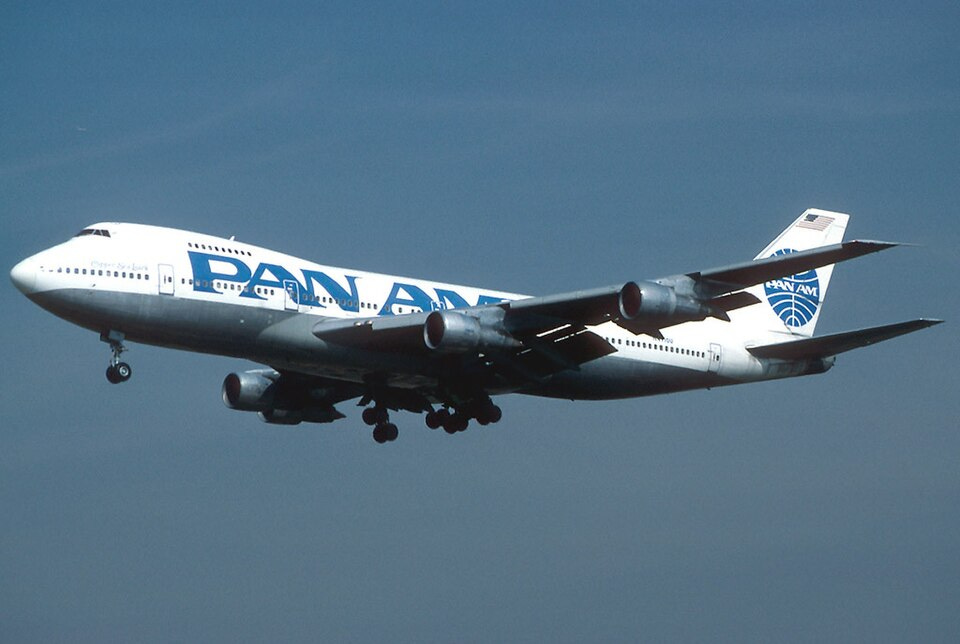
Pan American World Airways ceased operations after years of losses and a failed attempt to reorganize in bankruptcy. Once a symbol of global air travel, Pan Am collapsed under debt, rising competition, and a changing industry it couldn’t navigate.
UnitedHealthcare — Targeted Killing (2024)
CEO Brian Thompson was fatally shot on a Midtown Manhattan street outside the New York Hilton Midtown, just before an investor event, shocking the business world. Read More: The Killionaire (Business Blunders)
Dec. 5
AOL Time Warner — CEO Resignation (2001)
OGerald Levin said he would step down as CEO of AOL Time Warner as the fallout from the disastrous merger mounted. One of the most hyped deals in corporate history quickly became one of its worst.
Dec. 6
Eastman Kodak — Missed Opportunity (1978)
Kodak patented early digital imaging technologuy based on a 1975 prototype digital camera developed by engineer Steven Sasson. But it failed to capitalize on the technology. Read More: The Biggest Business Blunders Of All Time (Blunder Lists)
Fannie Mae — Earnings Restatement (2006)
Fannie Mae announced it would restate its earnings by $6.3 billion to correct accounting errors dating back to 2001, capping a massive accounting scandal at the mortgage giant, for which had earlier paid $400 million to settle. The restatement exposed serious control failures at a federally chartered pillar of the housing finance system.
Trump Organization — Criminal Conviction (2022)
The company was convicted of tax fraud, conspiracy, and falsifying business records in a scheme to evade taxes on executive compensation. In a related case, the company’s longtime CFO Allen Weisselberg later served time in prison for tax offenses tied to the scheme.
Dec. 7
Cendant — Fraud Settlement (1999)
The company agreed to a $3.18 billion settlement to resolve a securities fraud class action stemming from a massive accounting scandal that inflated earnings for years. Former Chairman Walter Forbes and CEO E. Kirk Shelton was later sent to prison. The the settlement made the Guinness World Records as the largest class action settlement.
Dec. 8
Tribune Co. — Bankruptcy Filing (2008)
Tribune Co., publisher of the Chicago Tribune and Los Angeles Times, filed bankruptcy under a heavy debt load from a leveraged buyout led by Sam Zell. The collapse became a cautionary tale of excessive leverage colliding with a declining newspaper industry.
Dec. 9
Silverado Savings & Loan — Regulatory Seizure (1988)
Federal regulators seized Silverado Savings and Loan, declaring the Denver-based institution insolvent in one of the most prominent failures of the savings and loan crisis. The collapse, which drew scrutiny over the role of director Neil Bush, son of President George H.W. Bush, became a symbol of excess and mismanagement in the era. Read More: Michael Wise – Silverado Savings & Loan (Business Blunders Hall Of Shame)
Lululemon — Chairman Resignation (2013)
Chip Wilson resigned as chairman of Lululemon Athletica amid backlash over controversial comments about women’s bodies and the company’s product issues. The episode underscored how reputational missteps at the top can damage a premium consumer brand.
Dec. 10
Bernard Madoff — Fraud Confession (2008)
Bernie Madoff confessed to his sons that his investment business was “one big lie,” revealing what would become one of the largest Ponzi schemes in history. The admission set off the chain of events that led to his arrest the following day and exposed tens of billions in losses. Read More: Bernie Madoff – Madoff Securities (Business Blunders Hall Of Shame)
Nicor — Fraud Convictions (2003)
Three Nicor executives pleaded guilty to fraud charges for manipulating the Illinois-based natural gas utility company’s earnings through a sham insurance arrangement. The scheme masked financial performance and misled investors, exposing governance failures at a regulated energy provider.
Dec. 11
Bank of United States — Bank Failure (1930)
The Bank of United States failed, marking one of the largest bank collapses of the Great Depression. The failure helped trigger widespread panic and bank runs, deepening the financial crisis and exposing weaknesses in the banking system.
Dec. 12
Lincoln Savings & Loan — Indictment (1991)
Charles Keating was charged for his role in the collapse of Lincoln Savings and Loan, one of the most notorious failures of the savings and loan crisis. The case exposed widespread fraud and political influence in the industry. Read More: Charles Keating – Lincoln Savings & Loan (Business Blunders Hall Of Shame)
Dec. 13
Danske Bank – Guilty Plea (2022)
Danske Bank pleaded guilty to fraud for deceiving U.S. banks while moving billions in suspicious transactions through its Estonia branch. Prosecutors said the bank misled financial institutions about anti-money-laundering controls as dirty money flowed through the system for years.
McKinsey — Deferred Prosecution Agreement (2024)
McKinsey & Co. agreed to a $650 million resolution and entered into a deferred prosecution agreement with the Department of Justice over its work advising Purdue Pharma on opioid sales. The case tied one of the world’s most prominent consulting firms to the broader fallout from the opioid crisis. Read More: The Outrageous Acts Of Criminally Charged Corporations (Blunder Lists)
Dec. 14
ZZZZ Best — Fraud Conviction (1988)
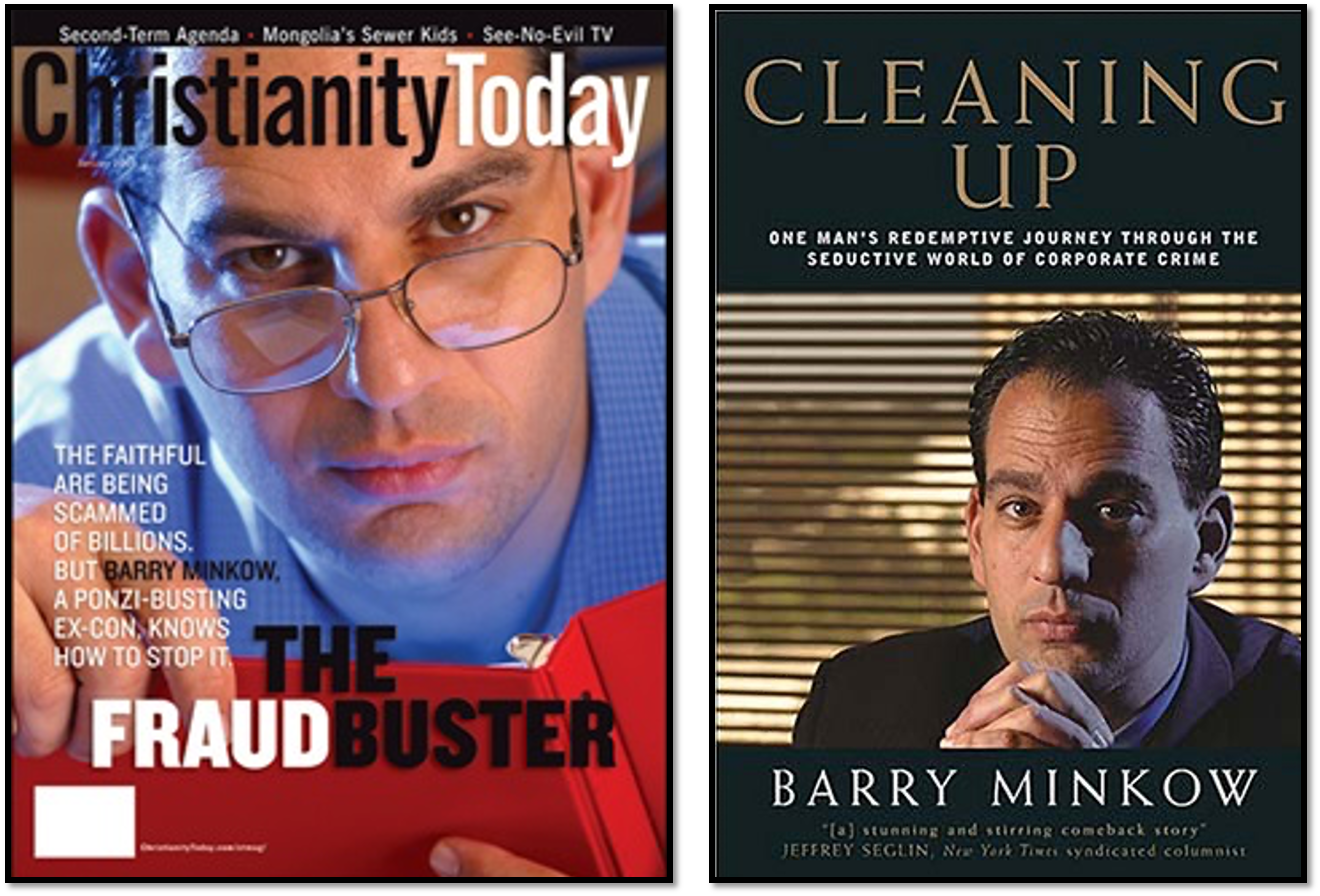
Barry Minkow was convicted of fraud for orchestrating a massive scheme at ZZZZ Best, a carpet cleaning business he falsely portrayed as a highly profitable enterprise. The company’s revenues were largely fabricated, making it one of the most infamous frauds of the 1980s. After prison he became a church pastor and was convicted on multiple charges in 2014 for defrauding his congregation. Read More: Barry Minkow – ZZZZ Best (Business Blunders Hall Of Shame)
Dec. 15
America Online — Deferred Prosecution Agreement (2004)
America Online struck a deferred prosecution agreement and agreed to pay $210 million after being charged with aiding and abetting securities fraud tied to its deal with PurchasePro.com. When the deal failed to produce real business, AOL bought products it didn’t need to help PurchasePro hit revenue targets The company avoided prosecution but agreed to oversight, and cooperated as multiple PurchasePro executives pleaded guilty.
Dec. 16
McKesson & Robbins — Accounting Fraud Scandal (1938)
Philip Musica, who operated under the alias F. Donald Coster, took his own life as federal agents arrived to arrest him for a massive accounting fraud at McKesson & Robbins. The scandal, which involved fictitious assets and inflated revenues, became a landmark case that led to major reforms in auditing and corporate disclosure.
Fannie Mae & Freddie Mac — Fraud Charges Filed (2011)
Regulators filed civil fraud charges against former executives of Fannie Mae and Freddie Mac, alleging they misled investors about exposure to subprime mortgage risk. The case, which included former Fannie Mae CEO Daniel Mudd, targeted conduct at the heart of the housing crisis. But most charges were later dismissed, with no jail time and minimal consequences.
Ozy Media — Sentencing (2024)
Carlos Watson, founder of Ozy Media, was sentenced for fraud related to misleading investors about the company’s performance. The case marked the collapse of a once high-profile media startup, though Watson was later pardoned. Read More: Carlos Watson – Ozy Media (Business Blunders Hall Of Shame)
Dec. 17
DrKoop.com — Shutdown (2001)
DrKoop.com, the online health venture founded by former U.S. Surgeon General C. Everett Koop, announced it would shut down operations after burning through cash and failing to build a sustainable business. The closure became another casualty of the dot-com bust.
Conseco — Bankruptcy Filing (2002)
Conseco, a fast-growing insurer and lender built through aggressive acquisitions, filed bankruptcy after mounting debt and a troubled expansion strategy overwhelmed the company. At the time, it was one of the largest corporate bankruptcies in U.S. history.
Dec. 18
Nikola — Sentencing (2023)
Trevor Milton, founder of electric truck maker Nikola, was sentenced to four years in prison for defrauding investors about the company’s technology. The case marked a major reckoning in the era of hype-driven electric vehicle startups. President Donald Trump pardoned him in March 2025.
Dec. 19
Honeywell UOP — Bribery Scheme (2022)
Honeywell UOP was ordered to pay more than $160 million after admitting to a foreign bribery scheme tied to a massive oil refinery contract in Brazil. The U.S. subsidiary of Honeywell admitted it conspired to pay roughly $4 million in bribes to a high-ranking executive at Brazil’s state-owned oil company, Petrobras, to secure a lucrative $425 million project.
Dec. 20
Ford — Settlement (2002)
Ford Motor Co. agreed to pay $51.5 million to settle claims with state attorneys general over defective Firestone tires linked to rollovers in its SUVs. The settlement marked another chapter in a deadly safety crisis that damaged one of the auto industry’s most iconic partnerships.
Archer Daniels Midland — Guilty Plea (2013)
An Archer Daniels Midland subsidiary pleaded guilty to conspiracy to violating the Foreign Corrupt Practices Act and agreed to pay $54 million. The agricultural giant admitted it paid bribes to Ukrainian officials to secure business. Read More: The Outrageous Acts Of Criminally Charged Corporations (Blunder Lists)
Volkswagen — Settlement (2016)
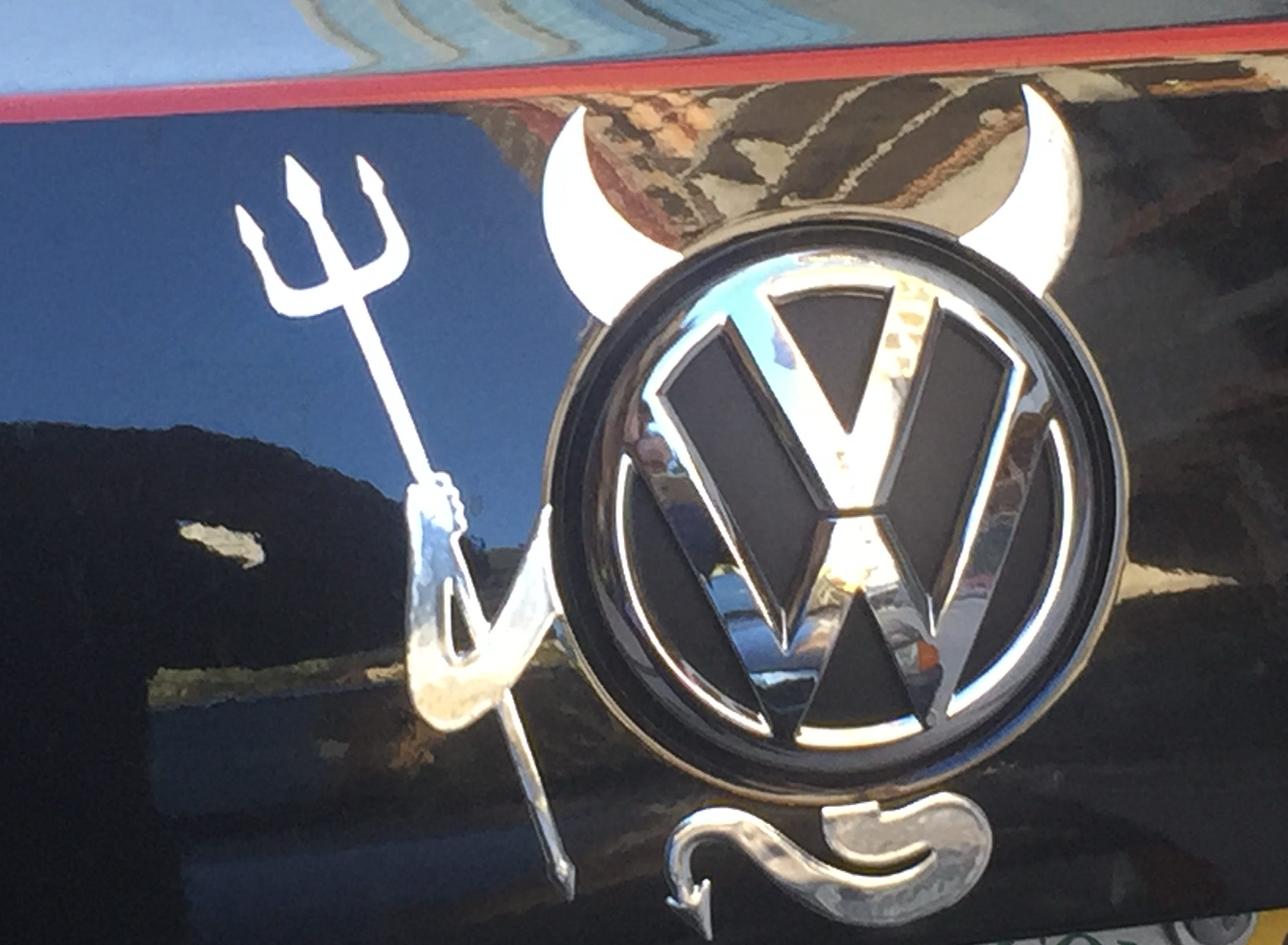
Volkswagen announced a settlement of about $1 billion to fix or buy back 3.0-liter diesel vehicles as part of the fallout from its emissions cheating scandal. The agreement added to mounting penalties tied to one of the largest automotive frauds in history. Read More: The Outrageous Acts Of Criminally Charged Corporations (Blunder Lists)
KEMET — CEO Resignation (2018)
Per-Olof Loof resigned as CEO of electronics company KEMET Corp. following a consensual relationship with an employee, a violation of company policy. Read More: Lost In Love (Blunder Lists)
Dec. 21
Excelsior-Henderson — Bankruptcy Filing (1999)
Excelsior-Henderson Motorcycle Manufacturing filed bankruptcy after struggling to scale production and meet demand for its high-end bikes. The failure underscored the challenges of reviving a historic brand in a competitive market.
NatWest — Criminal Conviction (2021)
NatWest Markets pleaded guilty to criminal charges of wire fraud and securities fraud charges stemming from unlawful trading in U.S. Treasury markets. The firm was ordered to pay $35 million in fines, forfeiture, and restitution.
Dec. 22
Madoff-Linked Fund — Investor Suicide (2008)
Thierry Magon de la Villehuchet, a hedge-fund founder heavily exposed to Bernie Madoff’s Ponzi scheme, died by suicide after losing about $1.5 billion and facing mounting pressure from investors. The episode underscored the devastating personal and financial toll of one of the largest frauds in history.
Container Store — Bankruptcy Filing (2024)
The Container Store filed bankruptcy, still overburdened with debt from a private equity buyout in 2007. It had been one of the hottest IPO stocks in 2013.
Dec. 23
Inter-American Insurance — Liquidation (1991)
Regulators placed Inter-American Insurance Co. of Illinois rd into liquidation, marking the collapse of the Chicago-based insurer. The failure underscored vulnerabilities in the insurance sector during a period of financial stress.
Dec. 24
WPPSS — Settlement (1988)
A $753 million settlement was reached in lawsuits stemming from the default of the Washington Public Power Supply System, known as WPPSS. The deal was part of a broader effort to resolve claims from the 1983 collapse of its nuclear power projects, the largest municipal bond failure in U.S. history at the time.
Parmalat — Bankruptcy Filing (2003)
Parmalat filed bankruptcy after the discovery of a multibillion-euro hole in its accounts. The collapse of the once-mighty dairy giant became one of Europe’s largest corporate fraud scandals.
Dec. 25
Santander UK — System Failure (2021)
Santander UK accidentally sent £130 million to 75,000 accounts after duplicating payments, then spent weeks trying to claw it back from customers who suddenly found themselves richer overnight.
Nissan — Executive Resignation (2019)
Nissan said senior executive Jun Seki would resign after being passed over for CEO despite being a leading internal candidate, as the board opted for a leadership reset following the Carlos Ghosn scandal. Read More: Back In The Box (Business Blunders)
Dec. 26
Soviet Union — State Dissolution (1991)
The Supreme Soviet of the Soviet Union voted to dissolve the USSR, setting off a rushed privatization frenzy that handed vast state assets to a new class of oligarchs.
Office of Price Administration — Wartime Rationing (1941)
The Office of Price Administration capped Americans at five automobile tires, an early rationing move that underscored how quickly wartime shortages were reshaping the U.S. economy.
Dec. 27
Parmalat — Arrest (2003)
Italian authorities arrested Calisto Tanzi, founder of Parmalat, on suspicion of fraud following the company’s collapse. The scandal revealed a multibillion-euro hole in Parmalat’s accounts and became one of Europe’s largest corporate fraud cases. Tanzi was later sentenced to 18 years in prison.
Southwest Airlines — System Failure (2022)
Southwest Airlines’s holiday meltdown peaked as thousands of flights were canceled in a single day, exposing a catastrophic breakdown in its crew scheduling system. What began as a winter storm spiraled into a tech failure that stranded passengers nationwide. More than 16,000 flights were canceled, costing over $800 million and triggering federal scrutiny. It was later hit with a $140 million penalty for the blunder.
Dec. 28
Montgomery Ward — Shutdown (2000)
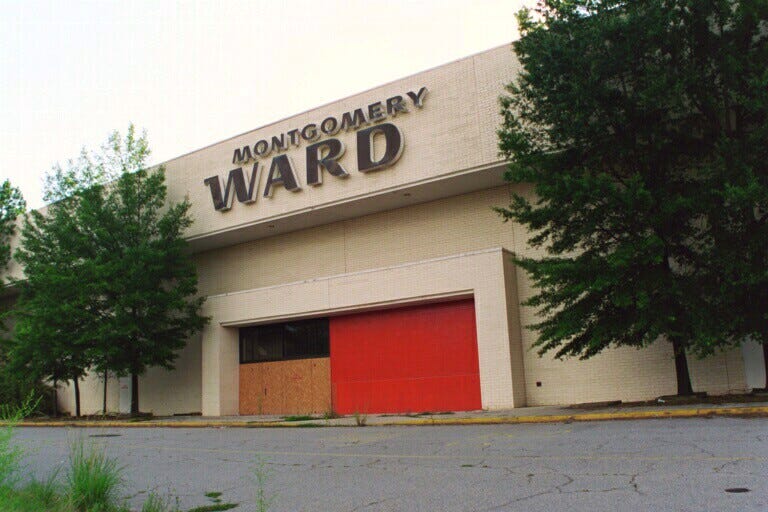
Montgomery Ward announced it would go out of business after 128 years, closing the book on one of America’s oldest retailers. The shutdown marked a dramatic fall for a catalog pioneer that failed to adapt to changing retail competition.
Dec. 29
LTV Steel — Bankruptcy Filing (2000)
LTV Steel filed bankruptcy as falling steel prices and heavy debt overwhelmed the company. Once one of the largest steel producers in the U.S., it ultimately dissolved in 2001, marking a major collapse in the American steel industry.
Dec. 30
HealthSouth — Settlement (2004)
HealthSouth agreed to pay $325 million to resolve allegations that it defrauded Medicare and other federal healthcare programs as part of a massive billing fraud scandal. Read More: Richard Scrushy – HealthSouth (Business Blunders Hall Of Shame)
Dentsu — CEO Resignation (2016)
Tadashi Ishii resigned as CEO of Dentsu after a court ruled an employee’s suicide was caused by overwork, a case that put Japan’s “karoshi” culture under global scrutiny.
Dec. 31
Dutch East India Co. — Dissolution (1799)
The Dutch East India Co. was formally dissolved after years of corruption, mismanagement, and mounting debt. Once the world’s first multinational corporation, its collapse marked the end of a global trading empire.
Resolution Trust Corp. — Wind Down (1995)
The Resolution Trust Corp. officially terminated its operations after resolving hundreds of failed savings and loan institutions. Created in the wake of the S&L crisis, the RTC’s closure marked the end of one of the largest financial cleanups in U.S. history.
Mervyn’s — Liquidation (2008)
Mervyn’s closed its remaining stores following a bankruptcy liquidation, ending the run of a once-prominent regional retailer. The collapse highlighted the toll of private equity ownership, debt, and shifting consumer habits.