

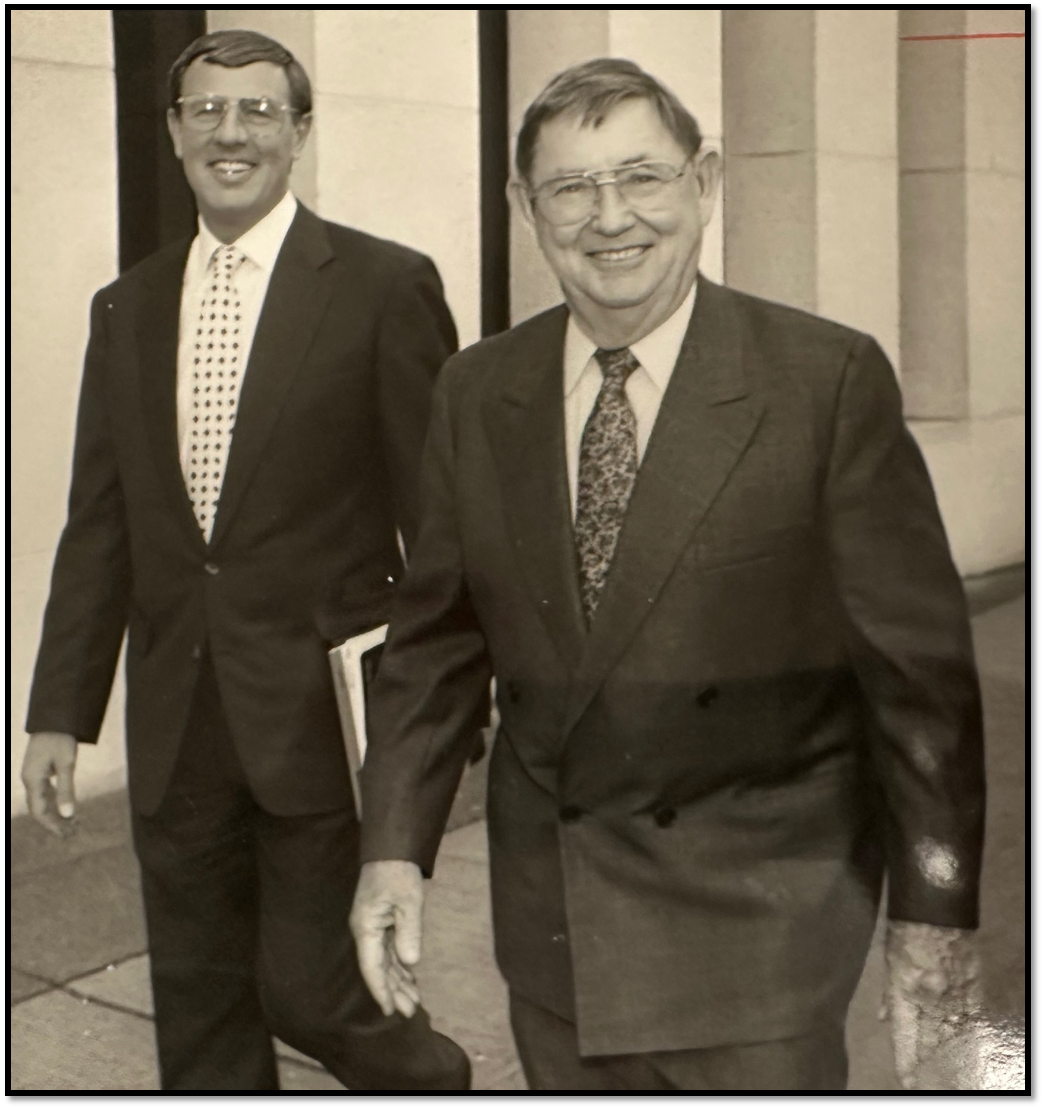
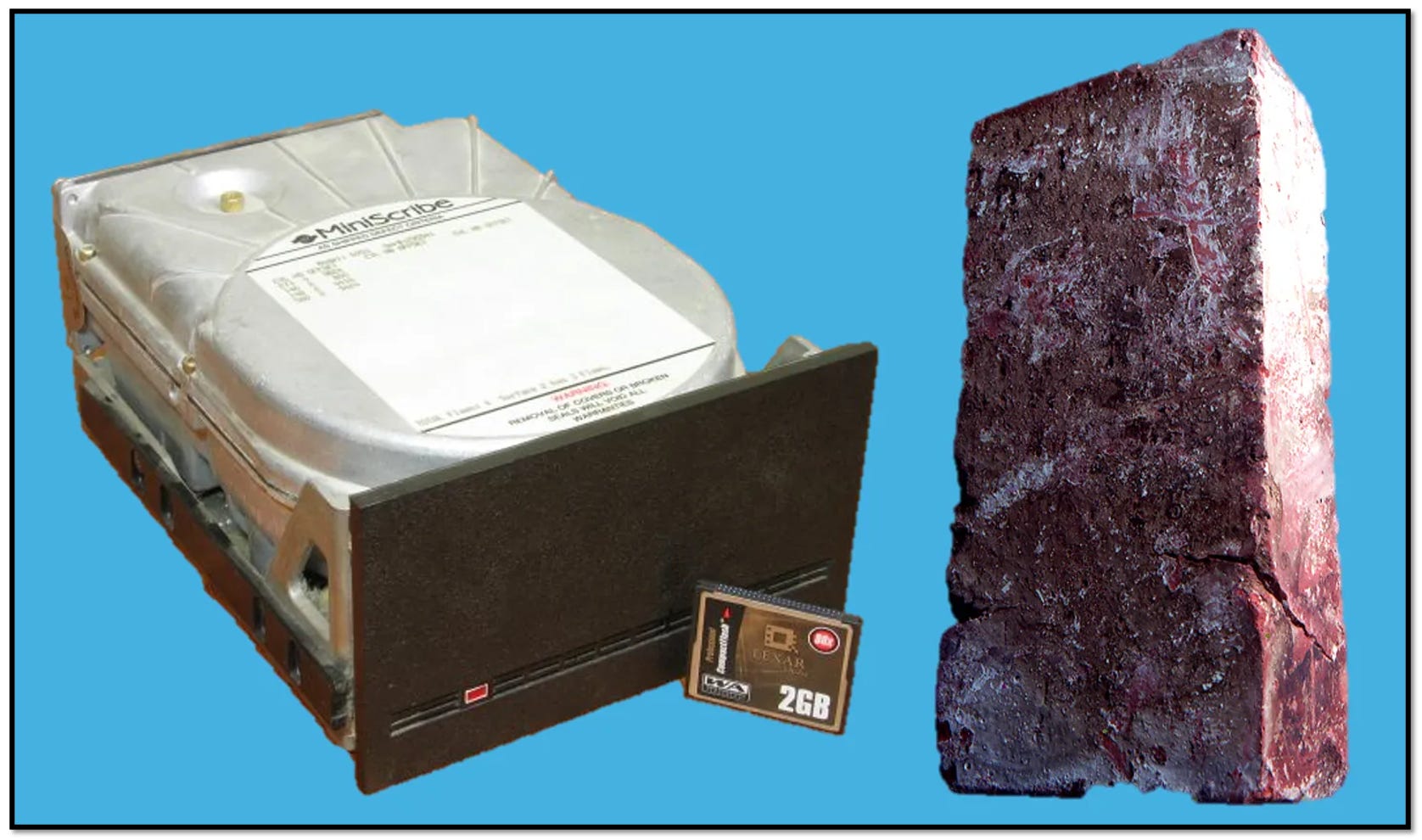
There was a time when computer hard drives weighed much as bricks. Q.T. Wiles thought his auditors wouldn’t know the difference.
Wiles was a corporate turnaround specialist for San Francisco-based venture capital giant Hambrecht & Quist. In 1985, the firm named him CEO of a struggling Colorado manufacturer called MiniScribe.
It was some turnaround. Wiles went to prison for one of the most audacious accounting frauds in corporate history.
Wiles was known as “Dr. Fix-It,” and he lorded over a team of determined executives who purchased 26,000 bricks from the Colorado Brick Co. in Boulder, Colo.
At a clandestine, off-site warehouse near the company’s headquarters in Longmont, Colo., they packed these bricks into MiniScribe-branded boxes. They even created bogus serial numbers for each boxed brick.
They then stacked the boxes on pallets and shrink-wrapped the pallets for shipment. Next, they’d ship the bricks overseas. They would even ship them domestically to customers who had agreed in advance to leave them wrapped and ship them back after a few weeks.
In transit, these shrink-wrapped skids of boxed bricks could be counted as sales for the quarter, even though they’d be shipped back in the next quarter.
It was a bogus accounting practice called channel stuffing but they advanced the concept by channel stuffing with fake stuffing. Before resorting to bricks, they’d done it with defective hard drives and even junk parts.
The task was time intensive and required a lot of hands on deck. The company’s acting chief financial officer even had his wife and kids packing boxes.
They also used Allen wrenches and paper clips to break into boxes that the company’s auditors kept on site to tally inventory. Once inside, they could erase any discrepancies in the books.
These were not organized crime figures or even brazen street criminals. They were the top executives and managers of a high-tech manufacturer with 10,000 employees and customers that once included Apple. Compaq and IBM.
The company’s stock once flew high on Wall Street with its backing from the highly regarded Hambrecht & Quist and its fake numbers. And its auditor wasn’t some sketchy schlub in a New Jersey strip mall. It was Coopers & Lybrand.
Yet under the insurmountable pressure to make quarterly numbers MiniScribe’s minions became corporate thugs.
Once indicted, they complained they were captive to an authoritarian CEO. Wiles demanded that his employees make their numbers or leave and he often dressed them down in meetings.
He once asked two controllers to stand and then fired them in front of the group. “That’s just to show everyone I’m in control of the company,” he said.
Everyone had to make their numbers. Wiles didn’t care how. Missing the targets that Wiles continually raised was a fireable offense. Hitting them meant rich bonuses. Junk parts were gems. Bricks were gold.
Eventually, the hole everyone dug got too deep. So they tried to fill it with bricks, which turned out to be about as dumb as the proverbial box of rocks.
It was astonishing how many managers and employees went along with the scheme. Five were criminally convicted, including Wiles,. and several others were dealt civil sanctions.
The boldness of this crime opens the question of what Wiles might have gotten away with during his long career as a corporate turnaround specialist. Typically, crooks get caught when they habitually break laws. Are we to believe this was his first rodeo?
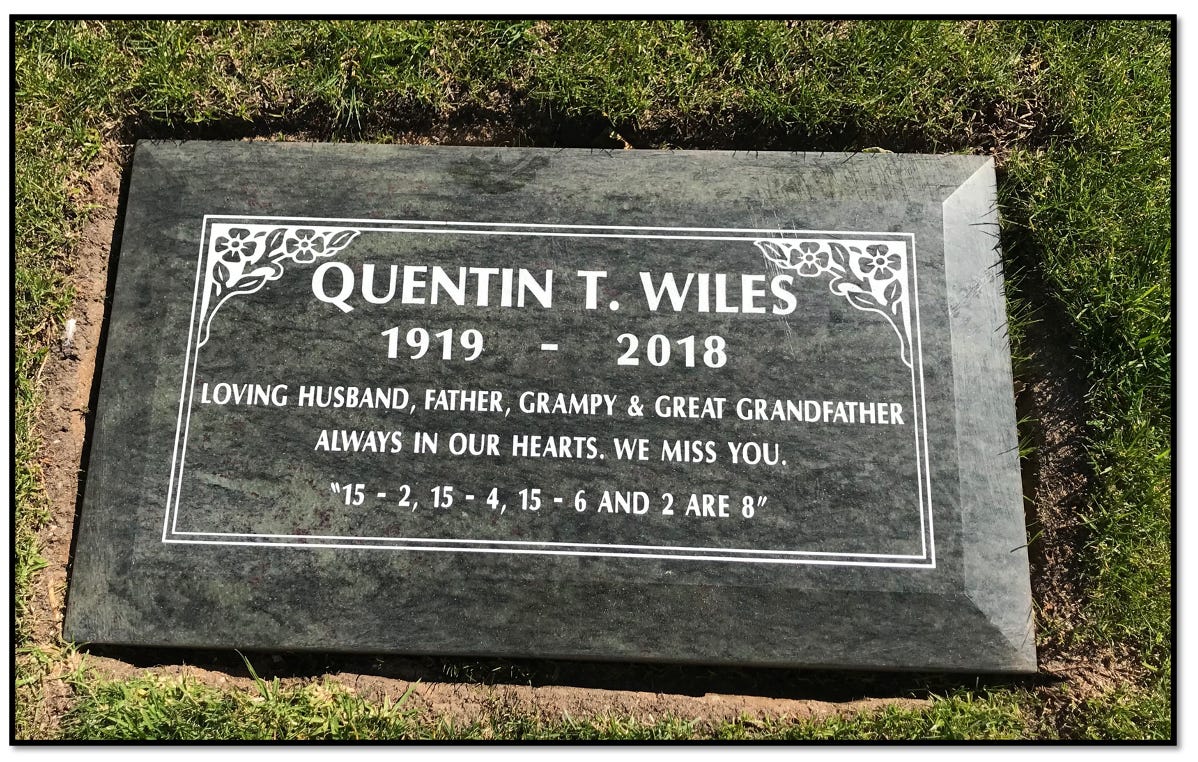
After the company filed bankruptcy, Maxtor bought its pieces. Wiles was convicted in 1994, served about two and a half years in prison, and lived to be nearly a century old.
Here’s what his brick looks like today:
Fantastic ending!
Al, when I saw the “grampy” on the tombstone, it made me think of Al Lewis, the grandpa on the Munsters television show. And, well, I’m sure you know where I’m going with this.
Hope you’re going well. Fun read.